
Emotional Regulation and Its Effect on Reaction Time in Competition
Emotional regulation plays a crucial role in the performance of athletes, especially in high-pressure competitive situations. Athletes often face intense psychological and physical challenges that can negatively affect their performance. The ability to manage emotions effectively can directly impact their reaction time and overall results. For example, an athlete feeling anxious or stressed may exhibit slower reaction times compared to when they are calm and focused. Emotional regulation involves various strategies, such as cognitive reframing and mindfulness techniques, that can enhance an athlete’s ability to respond appropriately during competitions. Fostering these skills can lead to improved focus and quicker decision-making, ultimately benefiting performance under pressure. Athletes can learn to recognize their emotional triggers and develop ways to mitigate their effects. The importance of this capability cannot be overstated, as faster reaction times correlate with success in sports activities. Coaches and psychologists must prioritize emotional regulation techniques in training programs to cultivate resilience and focus among athletes. The development of this skill can make a meaningful difference in athletes’ careers, influencing them positively in competitive contexts and beyond.
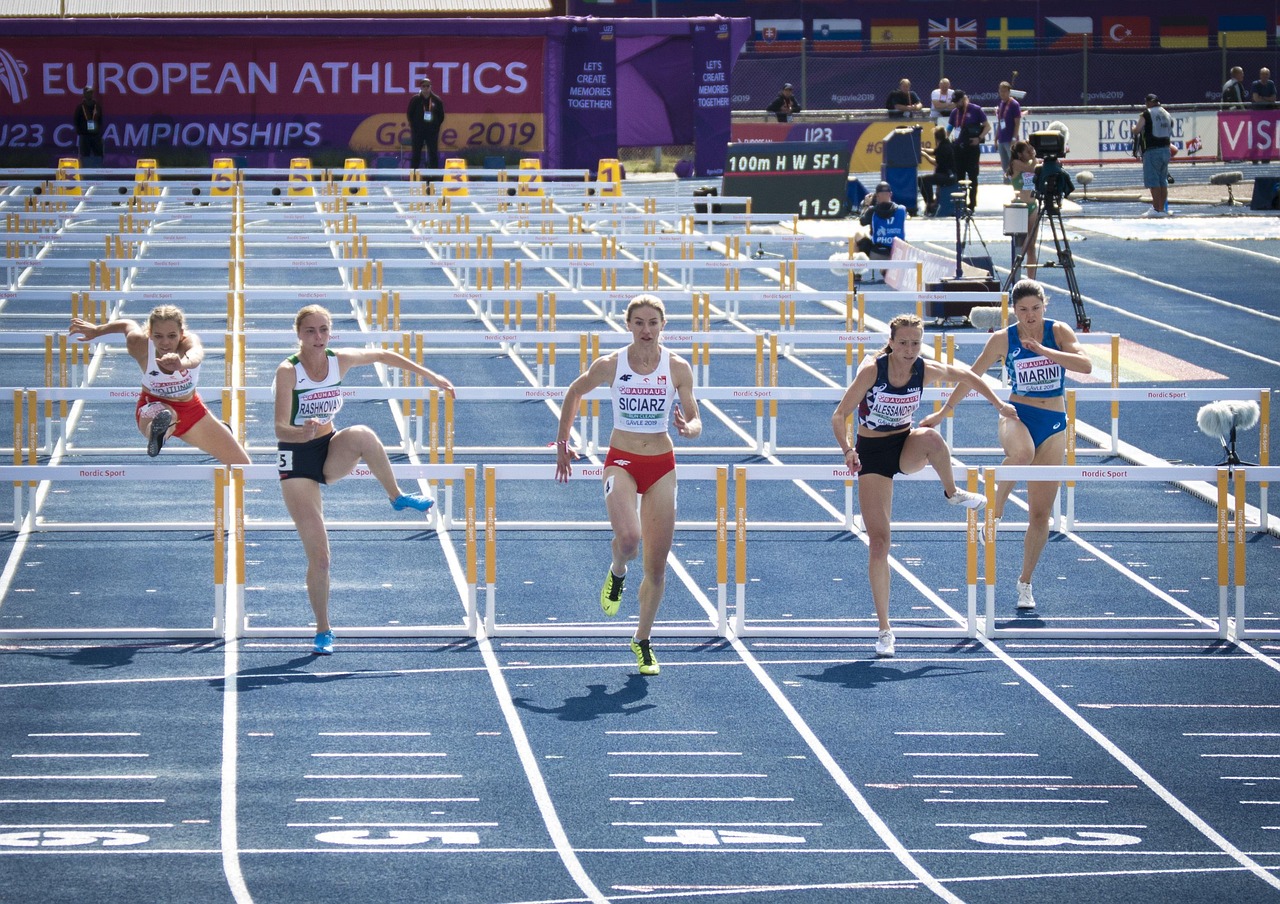
Various studies have shown that emotional regulation has a significant effect on an athlete’s performance due to its connection with reaction time. When athletes can manage their emotions, they can maintain better concentration, resulting in a swifter response to stimuli. Techniques such as deep breathing, visualization, and self-talk can help athletes gain control over their emotional states. Athletes who practice these methods regularly often have a competitive edge when it comes to quick reactions during events. For instance, a runner who practices controlled breathing before a race might react faster to the starting gun compared to a peer who struggles with anxiety. The cornerstone of effective emotional regulation lies in understanding one’s emotions and how they influence performance. This process involves self-awareness, which can be cultivated through various psychological tools and exercises. Furthermore, the use of sport-specific situations in training can help athletes develop the skills needed to regulate their emotions. Ultimately, athletes must view emotional regulation not just as a skill but also as an essential aspect of their overall athletic development, influencing their ability to perform at their best when it matters most.
Link Between Emotions and Physical Performance
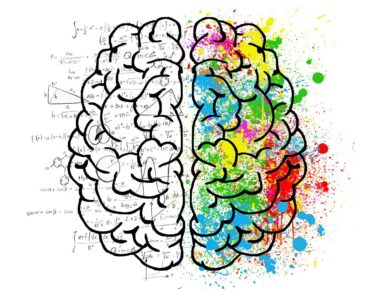
The link between emotions and physical performance is well-documented in the field of sports psychology. Negative emotions such as anxiety and frustration can impair reaction times, leading to decreased performance. Conversely, positive emotions like confidence and relaxation can enhance an athlete’s capabilities. Understanding this intricate relationship helps athletes harness their emotional states to achieve optimal performance. Various techniques can be utilized to transform negative emotions into positive ones, such as focusing on past successes, setting achievable goals, and fostering positive self-talk. These techniques can directly influence quickness in reaction times. For example, a basketball player who believes in their shooting ability may react more quickly to a pass and take a shot more decisively. Several professional teams now incorporate emotional regulation training into their conditioning regimens to capitalize on the benefits of better emotional control. Mental training professionals emphasize the need for maintaining a balance between confidence and concentration. By adopting a proactive approach to emotional management, athletes can prepare their minds to react swiftly to competition demands, enabling a more fluid connection between emotion and performance.
Moreover, the impact of emotional regulation can also be observed in team sports, where interpersonal dynamics play a significant role in determining a team’s success. Research shows that teams with strong communication skills and emotional intelligence tend to perform better under pressure. When athletes can effectively regulate their emotions, it enhances teamwork, leading to improved collective reaction times during crucial moments. For example, a soccer team that maintains composure in tight situations is more likely to execute coordinated plays, responding quickly to opponents’ actions. Building strong emotional regulation skills within a team environment fosters trust and collaboration, essential elements for synchronized play. Coaches often encourage their teams to engage in activities that promote emotional awareness, such as group discussions and team-building exercises. As athletes learn to manage their emotions collectively, they develop a greater understanding of each individual’s role, boosting overall performance. Consequently, emotional regulation is not merely an individual skill; it becomes a team-oriented strategy that can transform how athletes react in competitive scenarios. By equipping teams with these tools, the odds of achieving favorable outcomes during competitions significantly increase.
Strategies for Developing Emotional Regulation
To enhance emotional regulation in athletes, several effective strategies can be implemented, both individually and in a team context. One approach is cognitive behavioral techniques, which focus on identifying and reframing negative thoughts that lead to emotional distress. Athletes can learn to replace detrimental thought patterns with positive affirmations, thus reducing anxiety and enhancing their capacity for quick reactions during competitions. Practicing mindfulness is another valuable tool; it helps individuals remain present and focused, decreasing the tendency towards rumination about past mistakes or future outcomes. Additionally, physical training can incorporate elements that foster emotional resilience, such as simulating high-pressure situations in practice. This not only hones physical skills but also conditions athletes’ mental responses to stressors. Coaches can facilitate workshops on emotional intelligence to further educate athletes on recognizing and managing emotions effectively. Developing a support system among teammates also encourages open communication regarding emotions, thereby fostering a healthier environment conducive to optimal performance. By actively implementing these strategies, athletes can work towards achieving better emotional regulation, with direct implications for improving their reaction times during competition.
In conclusion, the correlation between emotional regulation and reaction time underscores the importance of psychological training for athletes. As coaches and psychologists prioritize such methods, the future of athletic performance stands poised for significant development. The impact of emotional regulation extends beyond individual athletes, affecting team dynamics and overall performance outcomes. Athletes who master emotional regulation techniques can navigate the highs and lows of competition more effectively, ensuring that their emotional states do not hinder their reaction times. Moreover, as cognitive and emotional skills increasingly become recognized as integral to an athlete’s success, programs focusing on these aspects are becoming more prevalent. Research supports that emotional regulation can be developed through dedicated practice, enhancing athletes’ performance irrespective of their sport. The ongoing studies into the influence of emotions on physical responses will further solidify the foundational role of psychology in sports. As this knowledge evolves, it presents opportunities for athletes to train their minds alongside their bodies, creating a more holistic approach to sports performance. In the long run, emotional regulation will undoubtedly remain a pivotal area of focus for those invested in maximizing athletic potential.
Final Thoughts on Emotional Regulation
Ultimately, emotional regulation is not just a skill for athletes; it is an essential life skill that translates beyond sports. The tools and techniques learned in emotional regulation training can be applied in numerous aspects of life. Athletes who learn to manage their emotions effectively gain an advantage not only in competition but also in personal and professional spheres. This capability is vital for maintaining mental health and resilience amid life’s challenges. As experts in sports psychology continue to explore this fascinating area, the potential for developing new training methods is wide-ranging. It is essential for athletes, coaches, and sports organizations to integrate emotional regulation training into their practices actively. By doing so, they promote holistic development, preparing athletes to navigate the complexities of both competitive sports and broader life pursuits. In conclusion, emotional regulation is fundamental to achieving success in sports and fostering a greater understanding of human psychology. This deeper insight enables athletes to fully harness their potential, ensuring lasting achievement during competitions and in everyday life.
The importance of emotional regulation for performance optimization cannot be overstated. Coaches must work closely with athletes to tailor strategies that resonate with each individual. Certain techniques may work better for some than others, given the unique personalities and temperaments of athletes. Regular assessment of emotional health is crucial to recognize when intervention is necessary. Regular workshops and meetings can provide an opportunity for athletes to share their experiences and learn collectively. Through such integrative approaches, the psychological well-being of athletes can be maintained, paving the way for improvement in reaction times and performance during competitions. The psychological journey in sports is as crucial as the physical one, and both should be interwoven through comprehensive training programs. By prioritizing emotional regulation, athletes become more proactive in addressing challenges, reacting swiftly when needed, and ultimately achieving their potential. It transforms not just athletic performance but also shapes character, teaching important life lessons about resilience, focus, and determination. Thus, emotional regulation emerges as a multi-faceted pillar of sports psychology, central to realizing the full potential of athletes in their competitive environments and achieving success.