
Promoting Diversity and Inclusion as Aspects of Fair Play
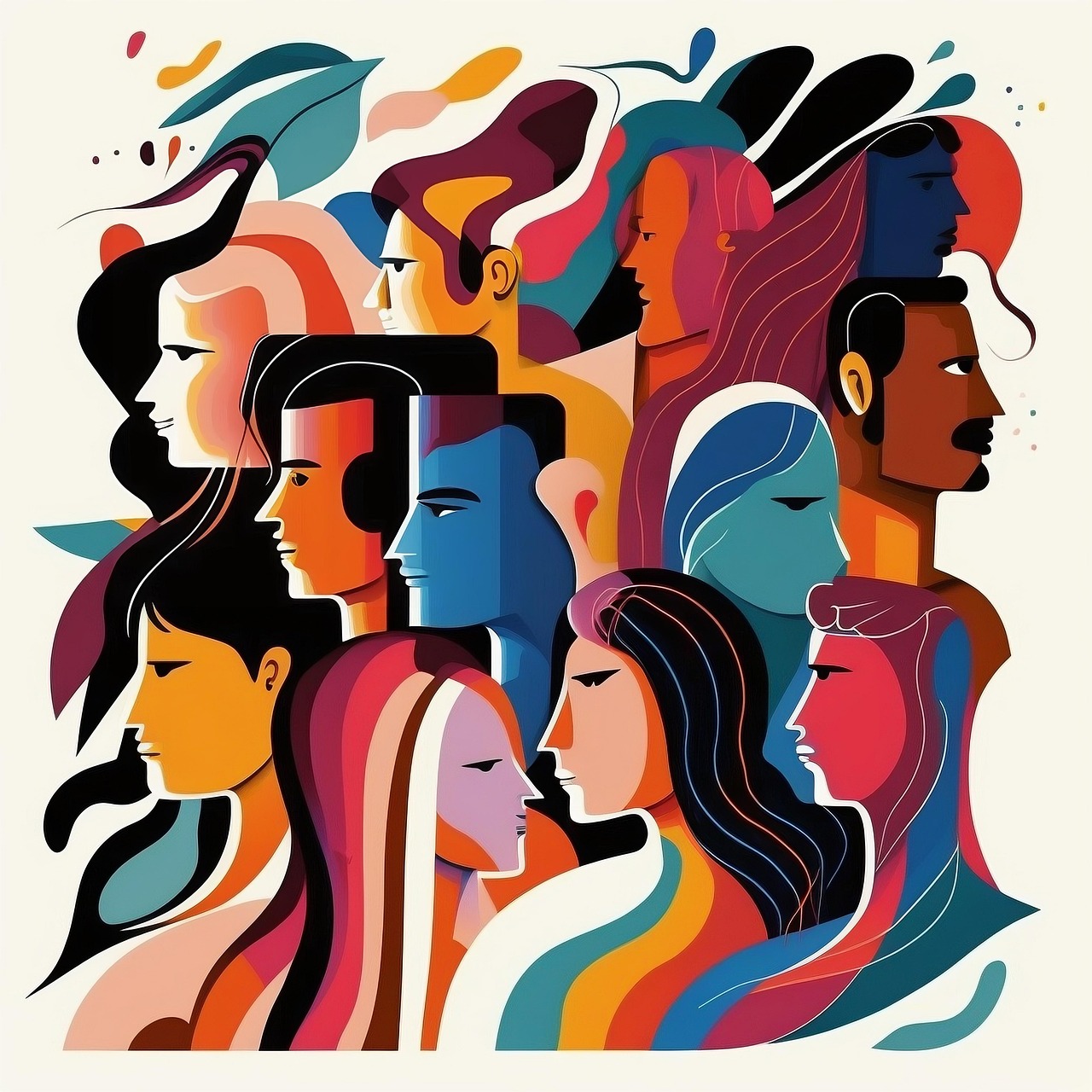
In the realm of sports, diversity and inclusion are paramount. These values foster an environment where athletes from various backgrounds can compete on an equal footing. Diversity in sports not only broadens the appeal of athletics but also enhances competitive performance. An inclusive framework ensures that everyone, regardless of race, gender, age, or ability, has an opportunity to participate and excel. The success of any sport relies heavily on its ability to embrace varied perspectives and experiences. This diversity of thought contributes to innovative strategies, teamwork, and ultimately, overall better performance. Moreover, the role of inclusive policies cannot be overlooked. Such policies need to be actively formulated and enforced across organizations to guarantee fair play. Promoters of sports should aim to create programs that educate athletes about the importance of embracing differences. Engaging the community through various outreach initiatives can amplify the importance of diversity. When everyone feels represented, it elevates the spirit of fair play. Addressing inequalities effectively creates an atmosphere conducive to athletic excellence and integrity.
Organizations must actively integrate diversity with targeted programs and initiatives. Therefore, promoting inclusion requires a deep understanding of the unique barriers that different groups face in accessing sports. This involves identifying legitimate obstacles, such as socioeconomic inequities, discrimination, and lack of resources. By analyzing data and gathering feedback from athletes, organizations can develop tailored initiatives that resonate with underrepresented communities. Creating mentorship programs helps bridge the gap between aspiring athletes and established professionals. Additionally, it is essential to provide financial support, training facilities, and resources to empower diverse athletes. These initiatives not only build confidence but also encourage athletes to pursue their dreams. Incorporating diversity training sessions into regular practice discussions can also benefit teams. Understanding various cultures instills respect and empathy among athletes, which enhances teamwork. Concerted efforts from sports organizations to showcase diverse role models can inspire a new generation. Establishing awards and recognition for inclusive practices within organizations can motivate others to follow suit. Celebrating diversity not only creates a more enjoyable sporting environment but also fortifies the very concept of fair play.
The Global Impact of Diversity in Sports
The global nature of sports means that promoting diversity has far-reaching effects beyond individual athletes. By fostering inclusion, nations can shift perceptions and challenge stereotypes, leading to societal change. Sports have the unique ability to unite people across cultural boundaries, encouraging exchange and understanding. Events like the Olympics illustrate the powerful impact of diverse representations and collaborations. Celebrating athletes from different backgrounds also introduces communities to a variety of perspectives. This exchange fosters respect and develops a sense of shared purpose among spectators and participants alike. Furthermore, supporting international initiatives that aim to diversify sports leads to greater universal acceptance of inclusivity. Programs targeting youth engagement across various countries can instill fair play as a foundational element in young athletes. By forming global partnerships focused on shared values, sports organizations empower nations to address pressing social issues. For instance, anti-discrimination policies and diversity training at international levels can lay groundwork for expanded participation. International sporting events provide an important platform to showcase the talent of diverse athletes, promoting equality and equity on a global stage. Such collaboration magnifies the significance of fair play and diversity.
Institutional support for diversity in sports is crucial for long-term success. Governments, organizations, and educational systems should be held accountable for promoting fair play through diversity initiatives. By implementing regulations that mandate inclusivity, authorities can create systemic changes that echo through communities. Engaging local governments to promote community involvement in sports can accelerate these initiatives. Schools play a pivotal role in shaping young athletes’ views on diversity. Sports programs should prioritize inclusivity, ensuring representation from various backgrounds is standard practice. Establishing partnerships with local organizations can also broaden access to sporting opportunities for youth. These grassroots efforts help in creating a pipeline of diverse talent for professional sports. Furthermore, increasing investment in women’s sports and programs for athletes with disabilities sends a powerful message. Highlighting achievements in these areas encourages further participation and investment in underrepresented sports. Additionally, collaboration between private and public sectors can yield innovative solutions for enhancing diversity. Through community outreach and education, we can dismantle barriers that hinder participation and cultivate a culture where diversity and inclusion thrive.
Education as a Tool for Promoting Fair Play
Education plays a fundamental role in addressing the lack of awareness surrounding diversity and inclusion in sports. Teachers, coaches, and mentors must emphasize the significance of these values to foster a sense of respect among athletes. Incorporating diversity training into athletic curricula allows participants to understand and appreciate the different backgrounds of their peers. Creating workshops that involve discussions about stereotypes and biases contributes to developing stronger interpersonal skills within teams. Such knowledge fundamentally shifts athletes’ perspectives, encouraging them to embrace differences rather than exclude them. Moreover, educational institutions should encourage young athletes to be advocates for inclusion. Programs that train aspiring coaches and athletes on the importance of fair play can help instill these principles in competitive environments. Also, encouraging collaboration on team projects that focus on inclusiveness reinforces the message of unity. Recognizing and celebrating cultural diversity within academic settings can serve as a source of strength, promoting not just athletic prowess but intellectual growth as well. By providing comprehensive education on the values of diversity and inclusion, we prepare athletes for a future where fair play is a universal standard.
Media representation also plays a significant role in shaping perceptions of diversity and inclusion in sports. Thoughtful portrayals of diverse athletes in advertising and broadcasts can inspire younger audiences to aspire to greatness. When media coverage highlights stories of inclusivity, it sends a compelling signal to communities about the importance of fair play. Social media platforms act as powerful tools for amplifying the voices of diverse athletes. These platforms provide a space for impactful storytelling and promote positive role models. Highlighting grassroots organizations that focus on outreach and inclusion can further expand visibility. Media must hold itself accountable for depicting sports in an equitable manner, promoting diverse achievements alongside traditional narratives. Furthermore, collaborations between major sporting events and media outlets should ensure that diverse perspectives are included in coverage. Expanding the narrative beyond just competition allows deeper conversations about the value of inclusivity. By engaging with athletes on pressing industry issues, the media serves to educate and inspire. Ultimately, increasing visibility of diverse athletes paves the way for broader acceptance and understanding, solidifying the concept of fair play throughout the sports community.
Conclusion on Fair Play and Sports Ethics
In conclusion, promoting diversity and inclusion as aspects of fair play is crucial for shaping the future of sports. It requires collective efforts from organizations, athletes, media, and communities. By recognizing the transformative power of diversity, we can create an environment where everyone has the opportunity to excel. Establishing inclusive policies and educational initiatives is key to addressing barriers and driving change. Furthermore, the roles of coaches, mentors, and media cannot be underestimated in shaping attitudes towards diversity. Ensuring that diverse voices are represented in sports contributes to a richer narrative that reflects our global society. Through collaborative efforts, we can redefine what it means to participate in sports, emphasizing equity and fair play above all else. Supporting diverse athletes leads to a more vibrant sporting culture that can effectively address societal issues. As we move forward, it is imperative that sports organizations continue promoting inclusive practices and provide ongoing support for all athletes. Ultimately, embracing diversity strengthens the foundation of fair play, creating a legacy of respect, teamwork, and mutual understanding in athletics.
In the realm of sports, diversity and inclusion are paramount. These values foster an environment where athletes from various backgrounds can compete on an equal footing. Diversity in sports not only broadens the appeal of athletics but also enhances competitive performance. An inclusive framework ensures that everyone, regardless of race, gender, age, or ability, has an opportunity to participate and excel. The success of any sport relies heavily on its ability to embrace varied perspectives and experiences. This diversity of thought contributes to innovative strategies, teamwork, and ultimately, overall better performance. Moreover, the role of inclusive policies cannot be overlooked. Such policies need to be actively formulated and enforced across organizations to guarantee fair play. Promoters of sports should aim to create programs that educate athletes about the importance of embracing differences. Engaging the community through various outreach initiatives can amplify the importance of diversity. When everyone feels represented, it elevates the spirit of fair play. Addressing inequalities effectively creates an atmosphere conducive to athletic excellence and integrity.