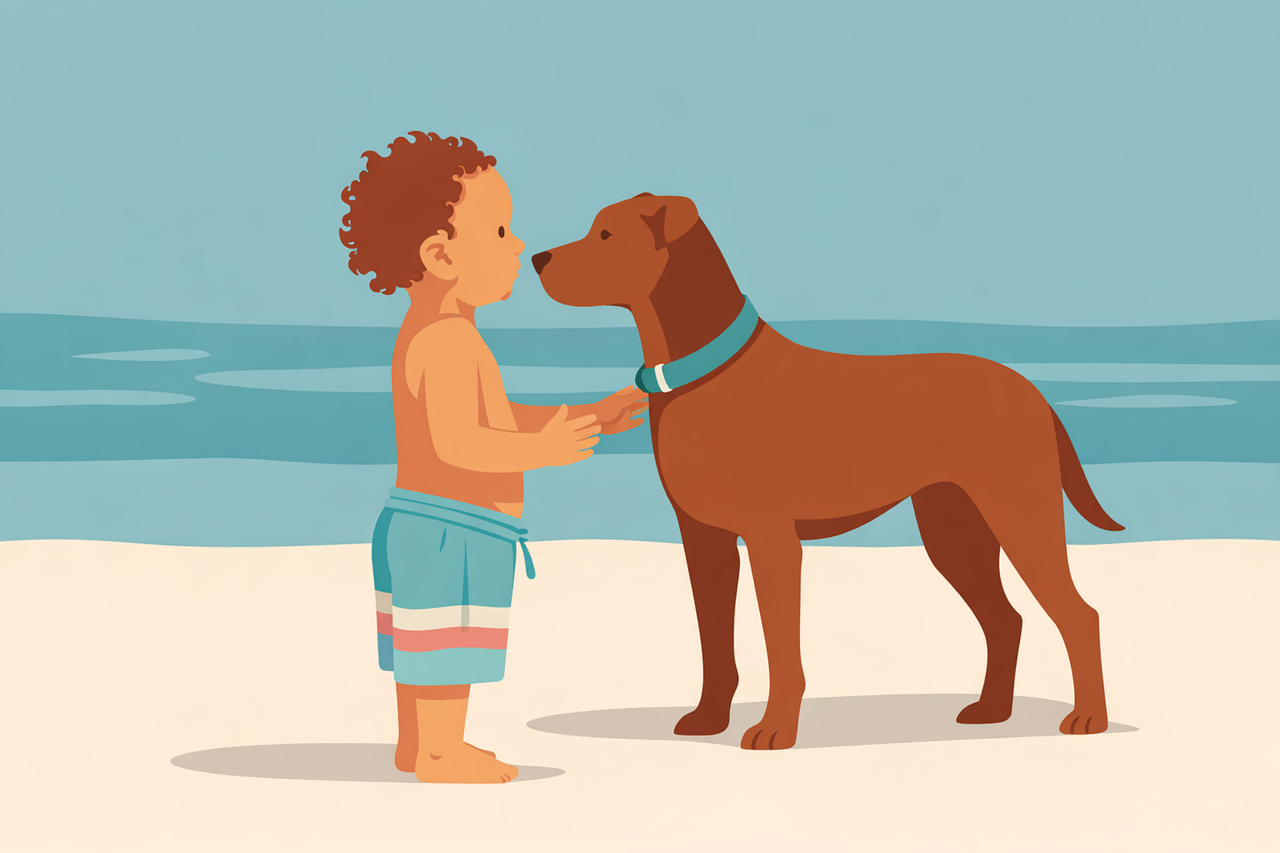

How to Use Pet Interaction to Boost Your Mood and Decrease Stress
Bringing a pet into your life can profoundly influence your mood and stress levels. Research shows that spending time with pets can significantly enhance emotional well-being. For instance, when interacting with a pet, our body releases feel-good hormones like oxytocin and serotonin. This natural response can help alleviate anxiety and create a calming effect. Additionally, pets serve as a source of unconditional love, which can help mitigate feelings of loneliness. Walking a dog or simply sitting with a cat on your lap can increase your physical activity level, leading to improved health and reduced stress. Furthermore, spending time with animals encourages you to live in the moment, shifting focus away from daily worries. Moreover, having a routine associated with your pet can provide a sense of purpose and stability. Overall, integrating pet interaction into your daily life not only lifts your spirit but also contributes to a sustained decrease in stress levels. Embracing a pet’s companionship can make a considerable difference in coping with everyday pressures, contributing positively to mental and emotional health.
Therapeutic Benefits of Pets
Pets can provide therapeutic benefits that aid in managing stress effectively. Many individuals may experience heightened anxiety during stressful times, and animals can be pivotal in diffusing this anxiety. One of the significant ways pets comfort us is through their unwavering presence and affection. Studies suggest that simply petting a dog or cat can lower blood pressure and reduce cortisol levels, which is a stress hormone. Engaging in playtime, such as throwing a ball for your dog or playing with your cat, facilitates laughter and joy, which helps diminish stress. Moreover, pets help create routine and structure in our lives, changing focus from anxiety-provoking tasks to caring for another being. Depending on your preferences, you can consider various pets, such as dogs, cats, or even rabbits. Different animals bring unique kinds of comfort, and choosing one that fits your lifestyle is essential. Additionally, volunteering in shelters or fostering pets can enhance your mental health, introducing new interactions that yield joy while providing essential companionship. Finding the right pet match can open multiple doors to emotional well-being and resilience against stress.
As pet interaction is an effective method for stress relief, different activities play a substantial role in this process. Engaging with your pet can take various forms, from walks in the park to relaxed evenings sitting together at home. Regular walks help release physical energy for both you and your pet while allowing time for bonding. Additionally, grooming your pet or simply watching them can create relaxing moments that ease the mind. Activities that encourage mindfulness, such as observing your pet’s behavior, can shift attention away from overwhelming thoughts. Furthermore, incorporating play into your routine can elevate mood significantly. For instance, tossing a frisbee or using feather toys can bring spontaneous joy that lightens the spirit. Remember that interactions don’t always need to be energetic; just lying on the couch with your furry friend can be enough to ease tension. Also, involving your family in pet-related tasks can strengthen familial bonds while modifying stress levels as a group activity. Ultimately, these collective engagements can help establish a habit of recognizing the present, thus creating a deeper relationship with your pet while reducing stress effectively.
Creating a Calm Environment with Pets
Creating a calm environment for yourself and your pet promotes both mental health and stress reduction. Begin by establishing a dedicated pet area with cozy bedding, toys, and control over stimuli. Pets can often pick up on your emotional state, so maintaining a lively atmosphere can help them feel more at ease. Various calming influences, such as soft music and scents, can help enhance the environment’s tranquility. Essential oils (like lavender) in diffuse form can significantly ease anxiety for you and your pet, establishing an ambiance conducive to relaxation. Furthermore, including calming activities, such as training or puzzle games, can foster a soothing connection between you and your pet. Spending quiet time together in these peaceful moments opens avenues for comfort and reassurance that aids mental relief. Creating a safe space for your pet can also help reduce their stress, which in turn helps you. Invite friends over for pet play dates or peaceful gatherings to further your support network, allowing for rich social interactions. Foster these moments to create a nurturing atmosphere that benefits your emotional health while lowering stress for both you and your beloved pet.
Understanding your pet’s needs is crucial for maintaining a positive relationship that benefits both of you. Just like humans, pets have emotional and mental needs that require attention. You must facilitate quality time that encourages interaction, whether through play or simple sitting together. Recognizing when your pet seems stressed or anxious will enable you to adjust the environment accordingly. Signs of stress in pets include excessive barking, hiding, or destructive behaviors. It’s essential to consider environmental factors contributing to these behaviors, such as loud noises or sudden changes. When gentle techniques, like providing a safe zone or distraction with toys or comfort items, are applied, both you and your pet will feel more relaxed. It’s beneficial to learn more about animal communication through reading or attending workshops. Building an understanding of your pet’s specific behaviors may significantly improve the bond you share, enabling you both to experience fewer stressors. By identifying triggers for stress, you can find solutions that create a serene experience for you and your pet. Strengthening this bond directly alleviates outdated worries, presenting an opportunity for mutual joy and comfort.
Pet Ownership: A Commitment
Owning a pet is a long-term commitment that requires consideration, which ultimately influences your stress levels. The responsibilities of feeding, walking, and attending veterinary visits can seem daunting, especially during busy or challenging periods. Nevertheless, taking this aspect into consideration can manifest itself positively in your stress management approach. Establishing routine tasks related to your pet encourages responsibility while simultaneously granting structure to your day. This schedule fosters discipline that can directly impact how you handle daily stressors. Moreover, making time for your pet enhances responsibility, showing how commitment to their needs can reflect your overall emotional state. Developing these relationships will yield benefits such as improved mood and expectations. Consider pet ownership as an avenue for growth; it teaches patience and compassion, traits that often transcend pet care into daily life. The love derived from your pet often outweighs momentary inconveniences, further strengthening emotional ties. Understanding these commitments helps create a substantial path toward emotional well-being while influencing a positive mindset. Engage in this journey of companionship, promoting the peace and joy pets can provide on a shared life adventure.
Pets can also serve as fantastic stress outlets when focused on how to engage with them positively. Learning activities that activate their natural instincts can create harmony and reduce tension. For instance, training sessions can be mutually rewarding, strengthening the bond while instilling discipline. Engaging in agility training or teaching tricks empowers both you and your pet, making the experience enjoyable. Opportunities for outdoor excursions foster not just exercise but an exciting dynamic that changes both emotional states positively. Visit local parks offering dog-friendly zones or take nature walks that invite tranquility amidst beautiful settings. Utilize enriching toys and puzzles that challenge your pet mentally while introducing fun. Creating an environment that welcomes interaction encourages play and discovery, making stress relief an enjoyable affair. Furthermore, fostering playdates with other pets expands socialization opportunities for your pet, enhancing not only their well-being but yours. As fellow creatures enjoy discovering their surroundings, you too will benefit emotionally. Recognize how this mutual engagement brings about joy while dissipating stress, creating lasting memories intertwined with companionship that eases burdens.
Conclusion: Embracing the Pet Connection
In conclusion, pet interaction is a valuable tool for boosting mood and decreasing stress. The advantages of having a pet are extensive, ranging from emotional support to improved physical health. Regular interactions with pets not just uplift spirits but also develop a deeper bond that cultivates trust and joy. A pet can trigger positive changes through routine care, fun, and affection, leading to enhanced resilience to stress. The companionship derived from animals teaches vital life skills, enhancing emotional intelligence as you navigate through challenges. Consider adopting a pet or volunteering to foster connections that promote well-being. Always prioritize the needed care and attention, remaining aware of your pet’s needs, as they may significantly impact your feelings of peace. A committed relationship with a pet creates a safe space where love and trust flourish, mutually benefiting both parties. Acknowledging the multi-dimensional advantages pets provide amplifies your ability to cope with life’s demands effectively. Let their affectionate presence enrich your life, promoting a soothing environment away from stress. Celebrate the joys of pet ownership, and harness those delightful moments to create a happier, healthier lifestyle.