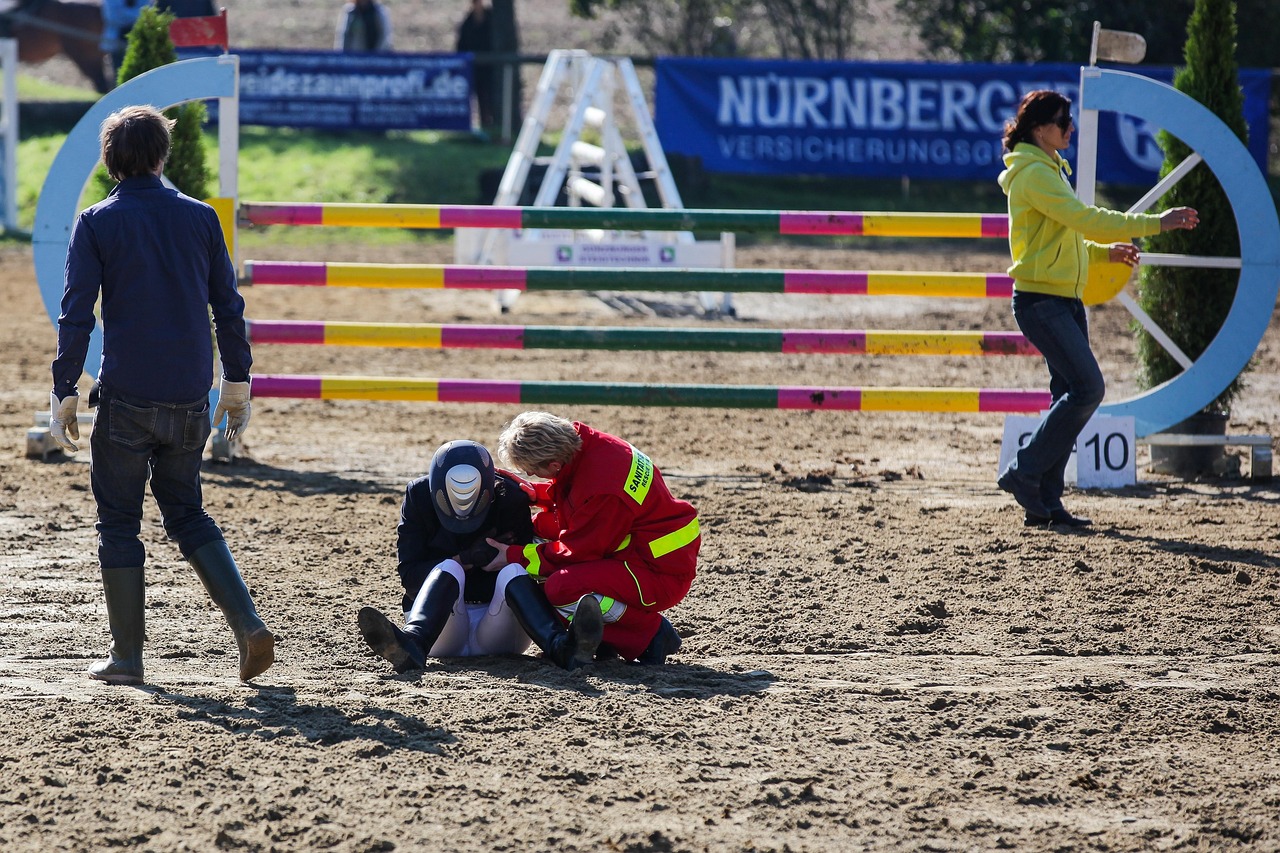

Emergency Management of Spinal Injuries in Sports
Sports injuries can be daunting, particularly spinal injuries, which require immediate attention. The initial response to these injuries is pivotal. Athletes must receive thorough assessments to evaluate their situation accurately. Key assessments include observing their responsiveness and evaluating any motor or sensory deficits. Understanding the mechanism of injury is critical in these scenarios. Factors such as the speed of impact and the playing surface can determine the extent of the injury. Spine stabilization should also be prioritized, using appropriate tools such as cervical collars and backboards. Emergency medical personnel should be well-trained in identifying spinal injuries. This training includes managing the airway, monitoring vital signs, and ensuring adequate immobilization during transport. Furthermore, the importance of communication with the athlete cannot be overstated. Providing reassurance can help reduce anxiety for both the player and their teammates. In sum, thorough training and protocols can significantly alter outcomes for athletes experiencing spinal injuries. It’s essential to ensure a safe environment where these athletes can thrive and receive the immediate care they need from the very start. Prompt action can save lives and preserve the futures of many athletes.
The management of spinal injuries in sports often requires a multidisciplinary approach. Emergency responders, coaches, and medical teams must work in tandem to ensure patient safety. The first step in managing an injury on-site is to activate emergency response services immediately. This rapid response can aid in providing timely treatment and minimizing potential long-term damage. Adequate communication among all involved parties is essential, as delay or misinformation can exacerbate injuries. Moreover, providing first responders with comprehensive information about the athlete’s medical history is beneficial. Coaches and trainers should be familiar with their players’ previous injuries, as history can inform treatment strategies. Implementing training drills that simulate emergency scenarios can help familiarize staff with the necessary procedures and resources. Regular refresher training sessions can help maintain high levels of preparedness. Amidst managing the injury, athletes should also receive psychological support to address the emotional impact of severe injuries. Mental health resources can be as important as physical treatment in the recovery journey. Taking these steps fosters an environment where athletes can safely rehabilitate and eventually return to their sport with confidence.
Monitoring and Assessment Techniques
In cases of suspected spinal injury, monitoring techniques play a crucial role in establishing the severity of the condition. Vital signs, including heart rate, blood pressure, and respiratory rate, must be evaluated closely by the medical team. Continuous assessment can provide real-time insights into the athlete’s condition, and abnormalities may indicate serious complications requiring immediate intervention. Neurological evaluations must also be performed, focusing on any onset of weakness, paralysis, or sensory loss. These evaluations can guide decisions on the method of immobilization and transportation to a medical facility. Using standardized assessment tools ensures that responders follow established protocols, enhancing consistency in care across various settings. Additionally, utilizing imaging techniques such as X-rays or MRI can help further assess the injury’s nature once at the medical facility. However, it is critical to avoid unnecessary movement that could exacerbate the injury during transport. To facilitate effective management, clear communication should exist between emergency personnel and hospital staff before arrival. This preparation allows hospitals to allocate resources and staff accordingly, streamlining care for injured athletes and ensuring timely treatment.
Preventive Measures and Education
Prevention strategies in sports can greatly mitigate the risk of spinal injuries, especially through education. Athletes, coaches, and trainers must prioritize awareness of safe play practices. This includes proper techniques for tackling, falling, and recovering from falls in contact sports. Strength training and conditioning drills can enhance an athlete’s resilience and reduce the likelihood of injury. Regularly scheduled workshops focusing on injury prevention offer a proactive measure in combating these issues. Furthermore, implementing policies that promote safety gear usage while participating in high-risk sports can further decrease injury rates. Adhering to sport-specific regulations ensures that athletes compete in environments designed to minimize injuries. Athlete education should not only focus on physical aspects but also mental readiness and response protocols. Programs designed to educate athletes about recognizing injuries and appropriately communicating concerns can enhance peer safety. Coaches should encourage athletes to report any discomfort or unusual sensations following an incident. Supportive team environments foster open dialogue, ensuring players understand their health takes precedence over competition. By investing in preventive education, sports organizations can enhance players’ longevity and overall well-being.
Recovery from spinal injuries varies considerably between athletes, depending on the nature and severity of the injury. Rehab programs must be personalized to address specific recovery goals and the athlete’s previous fitness level. Effective rehabilitation involves a multidisciplinary team, including physical therapists, occupational therapists, and physicians. Focusing on both physical and psychological recovery is imperative for athletes seeking to return to sport. Physical therapy can facilitate movement restoration and a gradual return to strength. Techniques such as aquatic therapy and progressive resistance exercises may help facilitate this recovery. Furthermore, mental health support is crucial, as trauma from spinal injuries can be profound. Athletic trainers should create space for emotional expression and help athletes cope with anxiety or depression. Such support networks enable athletes to work through fears associated with returning to sports. Effective communication between the coach, medical team, and athlete can create a clearer path for recovery and a safer return to gameplay. Additionally, ongoing assessments of physical readiness can inform when athletes are prepared for participation, significantly reducing the chance of re-injury. Balancing physical and psychological care can lead to long-term success during recovery.
The Role of Technology in Emergency Care
Modern technology has transformed how sports injuries are managed and the subsequent treatment athletes receive. The availability of mobile health applications allows for prompt communication regarding an athlete’s condition. These tools can assist coaches and medical professionals in accessing injury history and treatment protocols quickly, thus ensuring rapid response. Furthermore, wearable technology is becoming invaluable in monitoring athletes’ performance indicators, providing early warning signs for possible injuries, including those related to the spine. This data can enable staff to customize training sessions to reduce injury risk. Drones are now being explored to deliver medical supplies or emergency equipment in out-of-reach areas, demonstrating a novel approach to emergency response. Such innovations can enhance on-field readiness, especially in large sporting events or remote locations. Telemedicine is another growing field that expands access to specialist consultations for athletes suffering from injuries. Real-time video communication with medical experts can expedite decision-making processes regarding treatment options. These developments resonate well with advancing emergency care and incorporating cutting-edge solutions into immediate responses, significantly impacting the lives of athletes even through challenging circumstances.
In conclusion, the emergency management of spinal injuries in sports requires a comprehensive strategy and ongoing commitment to safety. Adopting rigorous training and equipment standards can contribute significantly to reducing injury risks. Active collaboration among sports organizations, medical staff, and emergency responders is key to ensuring athletes’ safety and well-being. Each individual involved in the athlete’s care must prioritize clear communication and immediate action when injuries occur. Educating coaches, athletes, and support staff about proper techniques and injury prevention measures creates a safer environment for competition. Recovery processes must also align with athletes’ needs, evaluating their physical and mental health during rehabilitation. Frequent assessments during recovery contribute to informed decisions about when an athlete can return to play safely. Incorporating technology into emergency care further enhances the ability to respond effectively and efficiently, ultimately reducing complications. By fostering an environment centered around readiness and swift action, sports organizations can ensure the safety and health of athletes. As data and practice continue to evolve, commitment to these principles will pave the way for future advancements in emergency care within sports.
This article emphasizes the need for comprehensive strategies to enhance emergency care protocols, ensuring a holistic approach toward managing spinal injuries in sports. Awareness and education can significantly contribute to athlete safety, promoting proactive measures that prioritize athletes’ health and overall performance. Keeping these critical elements in mind and implementing them wisely can ensure better outcomes for athletes facing the risk of spinal injuries, thus prioritizing their sports actions safely and responsibly.