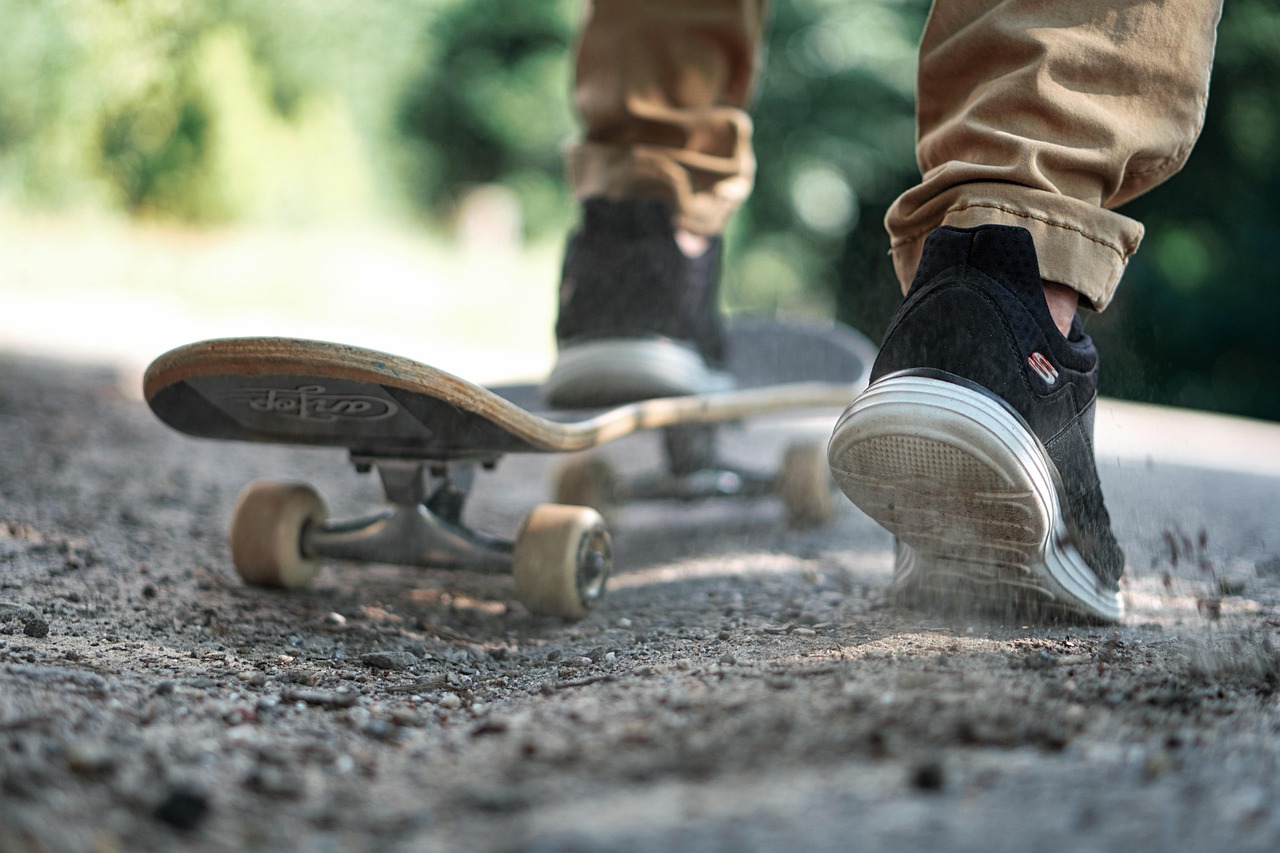

The Impact of Social Support on Lifelong Sports Motivation
Motivation for lifelong learning in sports is significantly influenced by social support. This support comes from family, friends, peers, and the community. When individuals receive encouragement from those around them, they are more likely to engage in and persist with their sports activities. This form of positive reinforcement can enhance motivation, leading individuals to set and achieve their personal goals. For example, support from family could mean attending events or celebrating achievements, which fosters an environment of encouragement. Moreover, social support networks can provide valuable feedback and advice, helping individuals navigate challenges they may face during their sports journeys. This encouragement and advice can come in many forms, from informal chats to more structured coaching relationships. Ultimately, social support helps individuals feel valued and understood, ensuring they remain motivated to continue their lifelong learning in sports. Establishing a strong network and seeking support from others can significantly impact individuals’ enthusiasm to pursue their sporting interests. Engaging with a community of like-minded individuals fosters positive motivation and boosts overall commitment to sports activities over time.
Research shows that social interaction in sports significantly enhances motivation levels. Groups or teams often provide a unique atmosphere of camaraderie that invigorates participants. Individuals involved in group activities feel more connected, creating a sense of belonging and accountability. This enhances intrinsic motivation, making individuals more likely to stick with lifelong sports. Social systems also allow individuals to share goals and achievements, thus reinforcing motivation among peers. Friendly competition boosts not just individual performance but also group morale, leading to an enriched experience. Communication within a supportive network becomes crucial as sports and activities evolve. Meaningful interactions help clarify intentions and eliminate doubts, fostering a focused approach. Support may also stem from coaches or mentors who inspire through their knowledge and expertise. Coaches who provide constructive feedback and celebrate progress can energize athletes. It makes it essential for motivation to thrive and for athletes to feel secure in their endeavors. Without these social dynamics, many might struggle to pursue their goals. Therefore, leverage community ties to enhance motivation levels and ensure individuals remain committed to their sporting aspirations.
The Role of Community in Lifelong Sports
A supportive community plays an essential role in motivating individuals to pursue lifelong sports. Communities often organize events and programs that encourage participation in various activities. These collective efforts create an environment where individuals encourage one another to achieve their goals. Engaging in sports often translates to better physical fitness and mental well-being. The spirit of participation is bolstered by connecting individuals through shared experiences, passions, and purposes. Local clubs, associations, or groups serve as sanctuaries for those wishing to grow and develop their skills. It is in these spaces that friendships deepen, and collaboration occurs, leading to more enjoyable sports experiences. Additionally, recognition of milestones within the community can elevate an individual’s desire to participate. Such acknowledgments reinforce the commitment to learning and growing through sports. Essentially, community support acts as a catalyst for lifelong learning in sports, highlighting pathways for growth. This is particularly true in settings where individuals feel seen and appreciated. Ultimately, fostering close ties within such ecosystems can have a profound impact on motivation and goal-setting related to lifelong sports.
Goal setting intertwined with social support fosters sustained motivation in sporting endeavors. Individuals often look to peers and mentors when striving to meet their objectives. Establishing specific and achievable goals keeps individuals focused, especially when backed by social encouragement. These goals become more tangible when shared within a supportive network. Celebrating even small successes with friends or teammates enhances motivation and encourages continued progress. Furthermore, accountability in a social context ensures individuals adhere to their training regimens and maintain a high level of commitment. Sharing goals publicly can produce valuable feedback from the community, adjusting strategies where necessary. It’s also beneficial to discuss setbacks with peers, as they can provide different perspectives to manage challenges. Once individuals experience the support systems available, they are likely to set even more ambitious goals. Sharing experiences of overcoming obstacles cultivates a greater sense of connection to others and builds resilience. Reinforcement through social structures helps maintain a consistent reliance on motivation. Through this socially enriched journey of goal setting, individuals navigate through the ups and downs of lifelong sports.
Peer Influence on Sports Engagement
The influence of peers on lifelong sports motivation cannot be underestimated. When individuals participate with likeminded peers, it fosters a motivation cycle that propels progress. This environment promotes shared ambition and mutual encouragement. When peers share their personal experiences or achievements, it cultivates an atmosphere of motivation. Some individuals may find inspiration from competitive peers, pushing them to enhance their performance. This dynamic creates an environment where everyone is invested in each other’s success, enabling growth. Peer pressure, when positive, can spark a new zeal for sports. This encouragement may lead individuals to try new sports or participate in events they might have previously avoided. Additionally, positive peer influence develops social skills beyond sports, providing an opportunity for personal growth and enhancing motivation. As a consequence, individuals feel empowered to set new challenges for themselves. Furthermore, this gives rise to innovative strategies and approaches that contribute to success in sports. Healthy peer competition adds another layer to the motivation landscape by fostering a sense of determination while refining personal capabilities over time.
Developing a healthy approach to social support ensures it benefits lifelong learning in sports. It is crucial to establish boundaries that foster a positive impact without overwhelming an individual. Too much pressure from social circles can, at times, be counterproductive. Therefore, it is essential to strike a balance between receiving support and maintaining personal goals. Individuals must understand when to seek help and when to push forward independently. Building resilience is an important aspect as well. While external support is vital, developing internal drive ensures individuals remain focused on their objectives. For instance, individuals should practice self-reflection to gauge their motivations regularly. Recognizing when social support becomes burdensome can help individuals navigate their sports journey more effectively. Creating a framework for productive social engagements can enhance motivation, ensuring they are always pushing towards their goals in sports. A positive environment combined with healthy boundaries can lead to improved experiences in sports. Ultimately, cultivating both internal and external motivation fuels the journey toward lifelong sports participation.
Conclusion: Building Sustainable Motivation
In conclusion, social support is a crucial factor influencing lifelong motivation in sports. The interplay between goal setting and support mechanisms ultimately shapes individual experiences. As individuals continue to engage with their communities, they create opportunities to learn and grow through sports. The impact of friends, mentors, and community organizations cannot be stressed enough; they play a pivotal role in maintaining enthusiasm toward participation. By considering both internal and external motivations, individuals can build sustainable enthusiasm for physical activities. Developing connections with others fosters a collaborative approach that enhances personal satisfaction and goal achievement. Lifelong sports no longer simply reflect personal ambitions but become avenues for collective growth and success. Engaging deeply with supportive networks encourages active participation, stimulating individuals. With dedication, commitment, and the right support systems, anyone can unlock their potential in sports. This ultimately leads to a fulfilling and enriched sports experience throughout one’s life. As individuals navigate their journeys, social support remains an integral part of motivating one another to reach their shared goals in lifelong sports.
The journey of motivation and sports becomes brighter with social support, illuminating paths for lifelong learning. It fosters an environment where individuals genuinely care for one another and thrive together.