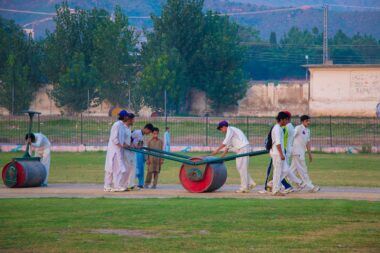

The Role of Social Support in Managing Stress Through Fitness and Sport
Social support plays a pivotal role in managing stress, particularly through avenues such as fitness and sport. Engaging in physical activities can be enhanced by the presence of friends, family, or teams, creating a shared environment that fosters motivation and accountability. When individuals participate in group sports or fitness classes, they not only benefit physically but also emotionally. The supportive relationships developed during these sessions contribute significantly to stress reduction, providing members with a sense of belonging and community. Studies have shown that individuals with robust social support networks experience lower levels of stress and anxiety, which can improve overall well-being. Strengthening social bonds through exercise is particularly crucial because it allows individuals to share their experiences and challenges. This shared process can help in normalizing stress reactions and reinforces healthy coping strategies. Moreover, social support in fitness contexts often encourages individuals to stay engaged longer, as the communal aspect promotes consistency and enjoyment. Therefore, it is imperative to acknowledge the influence of social connections when approaching stress management via physical activities.
Understanding the Benefits of Group Activities
Group activities are instrumental in enhancing the benefits of fitness for stress management. When individuals take part in activities like running clubs, yoga classes, or team sports, the encouragement and camaraderie provided by peers can alleviate feelings of isolation and discouragement. Notably, exercise releases endorphins, often termed ‘feel-good hormones’, which can elevate mood and lessen stress levels. This physiological response is complemented by the emotional support derived from exercising alongside others. Friends encourage each other, celebrate achievements, and work together through challenges, fostering deeper connections. Engaging with a group leads to greater adherence to fitness routines, making it easier to combat stress through regular physical activity. Furthermore, being part of a community can bolster confidence and self-esteem. Social interactions during fitness not only help distract from stressors but also enhance personal growth, as individuals learn from each other. Ultimately, the dynamics of shared experiences in fitness settings can contribute to an increased sense of purpose and identity, providing crucial support. Such an environment empowers individuals to tackle stress effectively while forming lifelong friendships.
Effective communication is a vital component of social support during fitness activities. This communication fosters a positive environment where members share concerns and joy in achieving fitness milestones. Groups often create a culture of openness that encourages vulnerability, enabling members to express their feelings about stress and mental health openly. As individuals feel more comfortable discussing these intrinsic issues, support networks naturally strengthen. Understanding that others share similar struggles can validate feelings and deepen connections, creating a robust support system. Additionally, when individuals offer support to one another, they reinforce their commitment to staying active and engaged, thereby mitigating stressors together. Constructive feedback, encouragement, and camaraderie can transform challenging workouts into enjoyable experiences, emphasizing social interaction and collective resilience. Such interactions also help normalize the challenges faced in managing stress through fitness. As people come together to share their triumphs and failures, the disparities in individual experiences become lessons for the group. As a result, the collective experiences help not only the individuals involved but also enrich the group dynamic, making the journey of stress management active, fulfilling, and shared.
The Importance of Emotional Bonds
Emotional bonds formed through fitness activities are essential for long-term stress management. When participants share experiences in workouts or competitions, they create a sense of belonging that transcends the physical activity itself. These bonds provide a foundation where individuals can depend on one another during tough times, both within and outside the realm of fitness. Such trust can be crucial during challenging times, as knowing there are others who can understand and actively support can alleviate anxiety. In group settings, when someone expresses stress or discomfort, the immediate responses from peers can provide encouragement and motivation to persevere. Furthermore, these emotional connections can drive individuals to be more accountable for their fitness goals. People who exercise with others often feel a duty to show up and support their peers, creating a positive cycle of encouragement. As the group grows in emotional intelligence and solidarity, they empower each other to tackle life challenges more effectively. This collective strength positions fitness as not merely a physical pursuit; it becomes a vital pathway towards enhanced emotional health through established networks.
In addition, social interactions during fitness sessions can often lead to strengthened coping strategies for stress. People involved in fitness activities together share various techniques for managing pressure and anxiety, ranging from meditation methods to relaxation strategies. These shared resources can provide attendees with diverse perspectives on how to cope with stress effectively. Regular interactions within fitness communities also promote a culture of resilience, where individuals can learn from each other’s experiences and apply lessons to their own lives. Such knowledge exchange enhances adaptability to stressful situations. Consequently, as group members develop individual techniques within a supported environment, their overall psychological health can improve. Notably, experiments have shown that participants in fitness groups report increased satisfaction with life and a more robust outlook on their challenges due to this relationship-building aspect. They discover ways to incorporate the strengths of their peers into their routines, leading to enriched experiences. Therefore, establishing strong social ties through fitness helps cultivate a rich array of coping mechanisms that individuals can draw upon when faced with external stressors, promoting ongoing well-being.
Combining Social Support with Structured Programs
Combining social support with structured fitness programs enhances the overall effectiveness of stress management techniques. Many fitness organizations understand the value of fostering community among their members, leading to the incorporation of team-building exercises alongside physical training. This holistic approach not only caters to physical health but also psychological wellness, addressing stressors that arise from various aspects of life. Structured programs provide the framework for accountability and consistency, while social connections between participants offer motivation and shared objectives, making the experience fulfilling. Activities such as group challenges or communal events create opportunities for individuals to bond over shared goals. Regular interactions can help individuals form deeper relationships, often leading to long-lasting friendships beyond the gym or sporting venue. This blend creates a nurturing atmosphere that promotes resilience, community spirit, and emotional health. Additionally, participants often feel empowered to share their stressors, making it easier to seek help when needed. By combining the rigor of structured programs with the warmth of social connections, the fitness community can create comprehensive avenues for long-term stress management, supporting individual journeys effectively.
In conclusion, social support is imperative in stress management through fitness and sport. The dual approach of fostering physical activity in group settings allows individuals to reap numerous emotional benefits. Acknowledging the role of social networks in these activities emphasizes the importance of collaboration and support for physical endeavor effectiveness. Group activities not only facilitate physical fitness but also promote enduring relationships among participants. As individuals work collectively towards shared goals, they foster connections that improve their ability to tackle stress creatively and collaboratively. Moreover, social support provides individuals with a robust safety net, ensuring that they remain committed to their fitness journeys. By integrating these elements into regular routines, individuals can discover not only enjoyment but also significant relief from stressors faced. The importance of social support in managing stress cannot be understated; communities created through fitness provide resources that empower individuals to handle challenges with strength and confidence. Alongside fostering diverse coping strategies, these social interactions create an environment where wellness can flourish, directly influencing overall happiness and life satisfaction over time.
In summary, the formidable role that social support plays during fitness activities can actively shape how effectively individuals manage stress. Engaging in community-based fitness not only aids in maintaining physical health but significantly curbs anxiety through emotional support. This collective dynamic encourages a culture where members feel understood, valued, and are actively participating in the communal journey of fitness. Thus, adding social connections to fitness routines can create a fulfilling experience, leading to substantially lower stress levels. By creating bonds and robust networks, individuals find that their fitness regimen becomes easier and more enjoyable. The dual power of physical exertion combined with emotional connection generates a support system that benefits both mental and physical health. As more people recognize the importance of camaraderie in fitness, they can leverage this knowledge to mitigate stress effectively, allowing for better coping mechanisms. Therefore, recognizing and fostering the power of social support during fitness activities serves to enhance both the enjoyment and effectiveness of stress management techniques over time.