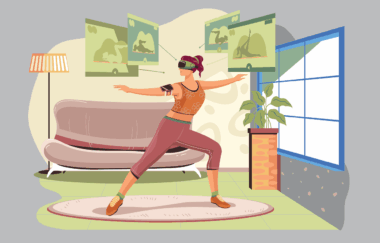

Balance Training Tools with Real-Time Feedback Mechanisms
Balance training is essential for enhancing coordination and overall physical performance. Technology plays a crucial role in this area, allowing individuals to receive real-time feedback on their balance training efforts. Various tools are available that incorporate advanced sensors and applications designed to enhance training efficacy. Wearable devices like smartwatches or balance boards equipped with motion sensors can provide immediate data about weight distribution and stability. Such devices are particularly beneficial for athletes, dancers, and individuals undergoing rehabilitation. They help track improvements and flag any inconsistencies in balance. Some tools come with gamified feedback to motivate users while they improve their coordination skills. It engages users and makes training enjoyable. These tools often connect to mobile apps where users can view detailed statistics and adjust their training routines based on their performance. With consistent usage, technology not only aids in refining techniques but also fosters a sense of accountability among users. Incorporating these technologies into a workout routine can significantly enhance balance training outcomes, leading to better performance in various sports and daily activities. It’s an investment in health and performance needed by many individuals.
The effectiveness of balance training is drastically improved when integrated with technology. Many of these tools utilize visual or auditory feedback, guiding users to correct their movements during training sessions. For instance, mobile applications and wearable sensors can provide instant results or insights into the user’s posture and gravitational force alignment. By offering detailed analytics after each session, these tools can pinpoint specific areas of weakness that require more attention. This personalized feedback encourages users to focus and practice specific exercises tailored to their needs. Such strategic practices not only lead to quicker improvements but also enhance overall confidence in an individual’s physical capabilities. Technology-driven trainers often offer features like setting personal goals or challenges that users can strive to achieve. The competitive aspect keeps users engaged and motivated. Additionally, virtual reality systems have emerged as a novel method for balance training, simulating various environments that challenge stability and coordination. Participants navigate through these digitally crafted scenarios, enhancing their response times and adaptive skills to instabilities. As users engage with these innovative training methods, they gradually build stronger proprioceptive awareness, leading to enhanced performance in their respective fields.
Types of Balance Training Tools
There is a wide range of balance training tools available, tailored for different preferences and usage situations. One popular type is balance boards, which are designed to improve core strength while enhancing stability. These boards help train the body’s response to shifting weight in various directions. They are available in different styles, including wobble boards, rocker boards, and stability balls. Each type offers unique challenges and can be utilized for various exercises and routines. Another valuable tool is the use of wobble cushions, which provide instability on various surfaces, forcing the body to engage stabilizer muscles. Additionally, there are apps that utilize smartphones to analyze movement patterns and provide instant feedback. Some high-tech options include smart shoes equipped with sensors that gather data about gait and balance. Furthermore, virtual reality games specifically for balance training immerse users in challenges through which they practice their coordination. Traditional methods like yoga and Pilates also offer established practices to enhance balance. Each tool or method is vital in a comprehensive balance training regimen aimed at improving athletic performance, coordination, and general well-being, providing options for everyone.
A significant advantage of utilizing technology for balance training is the customization it allows for users. More advanced tools provide personalized workout plans based on unique requirements and fitness levels. This adaptability ensures that users remain challenged yet not overwhelmed, providing a balanced approach to their training. Achieving balance involves understanding one’s weaknesses, and technology excels at identifying these areas. Some devices provide data analysis and insights which can shape future training efforts effectively. This information often leads to refining techniques that would otherwise remain unchecked, maintaining steady growth. Moreover, the increase in engagement levels is notable when users see progress through real-time metrics. Many balance tools feature built-in progress trackers, allowing users to set mini-milestones throughout their training journeys. Consistently meeting these goals builds confidence and promotes ongoing practice. Furthermore, many tools support community engagement, where users can share successes or challenges with others. This creates a support system that encourages continued application of balance training. In a given routine, this level of customization and connectivity fosters an environment conducive to learning and growth, solidifying long-term balance enhancement.
Benefits of Real-Time Feedback
Real-time feedback mechanisms are instrumental in accelerating the learning process associated with balance training. These tools provide instantaneous reactions to a user’s performance, facilitating immediate adjustments in stance or technique. For instance, if an individual leans too far to one side during a balance drill, the device can signal this deviation. Such prompt feedback allows the user to correct their posture before developing habits that could be detrimental in the long run. Moreover, this approach supports continual learning—understanding the impact of shifts and movements as they occur. Regular assessments through these devices also enable users to see their progression metrics. Enhanced performance motivates individuals as they achieve higher balance capabilities quickly. Furthermore, real-time feedback can significantly reduce the risk of injury by ensuring that users practice optimal techniques. Proper alignment and posture mitigates stress on joints and muscles, leading to fewer strains or injuries during workouts. As users engage more effectively, their confidence grows, encouraging them to push their limits. The combination of continuous improvement and reduced risk presents a compelling case for integrating technology into balance training routines across various disciplines.
To maximize the effectiveness of balance training tools, it is essential to integrate the technology into a consistent workout routine. Setting specific session times and establishing a regimen that incorporates various exercises helps ensure sustained engagement with the tools. Users should constantly reassess their goals and use feedback data to recalibrate their objectives as they progress. Diversifying training activities can enhance different aspects of balance, encouraging users to try exercises that might challenge their limits. Activities can include engaging in sports or workouts that require rapid changes in direction or stability. Many individuals find greater success by combining traditional exercises with technological tools for a balanced approach to training. Engaging a fitness professional to guide the use of these devices may further accelerate development. Professionals can efficiently tailor the training program to the individual’s needs, leading to improved outcomes. The accountability element is vital as well, providing encouragement to stick to routines. Engaging with peers in individual or group settings while using these training tools also adds value. This communal aspect helps everyone remain motivated while improving skills collectively, enhancing dedication and enjoyment in the learning experience.
Conclusion on Technology in Balance Training
In conclusion, integrating technology into balance training presents significant advantages. The ability to receive real-time feedback, analyze performance, and maintain engagement creates an effective learning environment. Balance training tools equipped with advanced features empower users to target weaknesses and cultivate strengths, promoting an improved overall performance. Additionally, these tools enhance workout enjoyment, supporting persistence in practice through engaging formats. As technology evolves, new and creative solutions will continue to reshape how individuals approach balance training. From wearable devices to mobile applications and virtual reality, each innovation contributes to improving the efficacy of training regimens. The importance of balance cannot be understated, as it forms the foundation for various physical activities and sports. Optimal balance skills lead to a reduced risk of injury and improved performance in daily tasks. As users become more adept, they experience a growing sense of accomplishment and confidence. Decisions made today around incorporating technology into balance training will have a lasting impact on health and fitness. Emphasizing the enduring benefits ensures alignment between training practices and overall wellness goals for users at different fitness stages.
With the proliferation of tech-savvy options available in the market, individuals now have the means to enhance their balance training significantly. Selecting the right tools based on individual needs is imperative for achieving the best results. Whether opting for a basic balance board or investing in a smart device equipped with complex feedback mechanisms, these foundations can greatly affect training outcomes. Regularly updating the tools utilized in training will ensure they remain relevant and effective for improving balance as athletes progress over time. Furthermore, awareness and education about techniques will remain pivotal. Familiarizing oneself with instructional content will increase proficiency when using technology for balance training, creating a comprehensive knowledge base. Participating in workshops or training classes can facilitate expert insights into the best practices for balance improvement while using technology. As the landscape of fitness continues to evolve, those embracing new avenues of training will likely capture efficiency and growth. Ultimately, focus on consistency will drive success. As individuals incorporate technology into their routines, the possibilities are boundless. Balance training can become a captivating journey that enhances personal growth and ensures a firm grasp of coordination and stability.