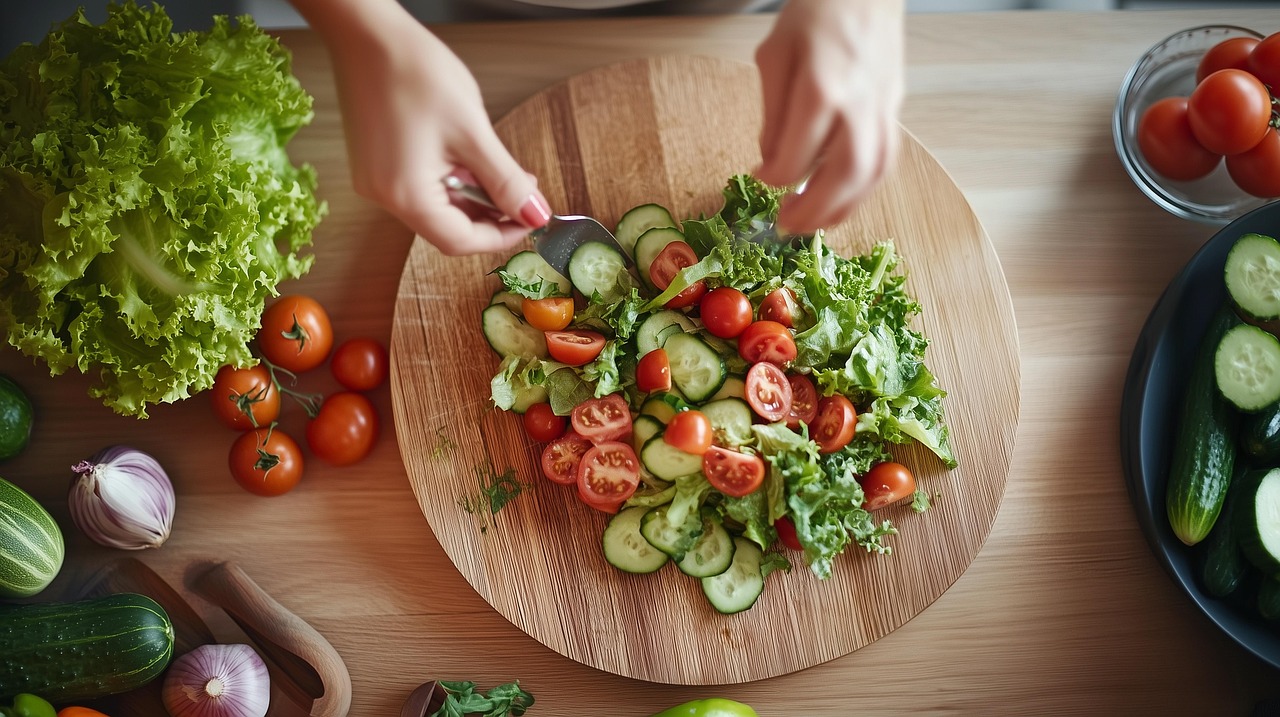

Best Practices for Home-Cooked Meals for Athletes
Home-cooked meals can be a crucial component for athletes looking to optimize their nutrition while ensuring safety in food preparation. A primary consideration is the selection of high-quality ingredients. Always opt for fresh, organic produce, lean proteins, whole grains, and healthy fats to fuel your body effectively. Proper meal planning allows you to create balanced meals rich in vitamins and minerals necessary for peak performance. Remember to check expiration dates and labels when shopping, as this can prevent consuming spoiled items that could lead to foodborne illnesses. Another important aspect is the storage of ingredients. Fresh ingredients should be refrigerated promptly while cooked meals can be stored in airtight containers to maintain freshness. Make use of freezer-friendly meals that can be prepared in bulk and easily accessed when time is limited. Within the kitchen, it’s essential to maintain a clean workspace. Sanitizing all countertops, utensils, and cooking tools will eliminate harmful bacteria that could jeopardize your health. Always remember to wash your hands frequently while cooking to prevent cross-contamination between raw and cooked foods. This not only ensures food safety but also enhances the overall cooking experience.
When it comes to meal preparation for athletes, understanding nutritional needs is essential. Fueling your body appropriately before, during, and after workouts is crucial for optimal performance. Athletes often require specific nutrients in greater quantities, such as carbohydrates for energy, proteins for muscle repair, and fats for long-lasting fuel. Utilizing whole food sources such as fruits, vegetables, nuts, and seeds can meet these demands effectively. It’s key to understand the timing of meals in relation to your training schedule. Eating a balanced meal or snack 1-3 hours before a workout can help boost your energy levels and improve endurance during exercise. Conversely, immediately following exercise, consume a meal rich in protein and carbohydrates to facilitate muscle recovery. Homemade smoothies can make an excellent post-workout option, allowing for quick digestion while fueling your body. Including nutrient-rich snacks throughout the day, such as yogurt with fruit or mixed nuts, can maintain energy levels and improve the quality of your diet. Consistent hydration is another pillar of performance nutrition, so ensure to drink water throughout the day and during workouts for maximum efficiency.
Ensuring Food Safety in Meal Preparation
The methodology behind safe food preparation is fundamental for athletes who cook at home. Before starting any meal prep, gather all necessary ingredients and tools to minimize the risk of contamination and maintain efficient workflow. Keeping raw meats and unwashed produce separate from ready-to-eat items is vital. Always utilize separate cutting boards for meats and vegetables. These measures effectively prevent any cross-contamination that can occur during meal prep. Thorough cooking of meats is critical; use a food thermometer to ensure meats reach safe temperatures. Refrigerate leftovers promptly, ideally within two hours of cooking, and consume them within a safe timeframe. Also, reheating them to appropriate temperatures eliminates any lingering bacteria. Pay attention to the color and texture of food items to recognize spoilage, such as a slimy surface on meats or off-smells in dairy products. Adopting thorough and thorough cleaning practices will help maintain a sanitary kitchen environment. Using hot soapy water for washing dishes, cutting boards, and countertops can greatly reduce the risk of pathogenic bacteria. These steps not only foster a safe cooking environment but also enhance overall flavors in your cooking.
Incorporating variety into meals can keep things interesting for athletes and aid in meeting nutritional needs. Experimenting with different cuisines allows for a diverse intake of vitamins and minerals essential for performance. Consider meal prepping different ethnic dishes such as stir-fries or curries. Their rich flavors, spices, and ingredients can enhance both nutrition and enjoyment. Incorporating different colors on your plate can signify a range of nutrients, so always strive for a rainbow when choosing fruits and vegetables. This is not only visually appealing but ensures a well-rounded diet. When planning meals, include various protein sources—such as beans, legumes, fish, lean poultry, or tofu—to meet daily protein requirements. Meal preparation can also be an opportunity to explore new cooking techniques, such as grilling, steaming, or roasting, further enhancing flavors without extra fats. Keep in mind that preparing new recipes can also ignite adventurous eating habits, encouraging athletes to discover more sustainable, nutrient-rich ingredients. Keep an ongoing list of favorite meals and new recipes to implement into your meal rotation. Creativity in the kitchen contributes significantly to meal satisfaction and dietary adherence.
Creating Balanced Meals
Constructing balanced meals is vital for athletes, ensuring they obtain the necessary nutrients required daily. Each meal should contain appropriate portions of macronutrients: carbohydrates, proteins, and healthy fats. The foundation should start with complex carbohydrates like whole grains to provide sustained energy levels. Examples include brown rice, quinoa, or whole wheat pasta. Following this, a source of lean protein such as chicken, turkey, fish, or plant-based alternatives like beans should be added to support muscle growth and repair. Healthy fats from avocados, nuts, or olive oil can enhance overall meal quality and satiety, making meals more satisfying. Aim to fill half your plate with vegetables, as these contribute vital micronutrients and fiber essential for digestion and health. Perfecting portion control can aid athletes in balancing calorie intake according to their training needs. When preparing meals, consider pre-portioning ingredients into containers to facilitate snacking and portioning later. Noting specific calorie needs and adjusting nutrient ratios accordingly can significantly impact performance outcomes for athletes. Focused meal planning can help achieve these goals, creating a superior and enjoyable sustenance experience while upholding safety in the kitchen.
Cooking methods play a crucial role in maintaining the nutritional value of ingredients, and athletes should take this into account. Techniques such as steaming, grilling, baking, or sautéing with minimal oil can preserve the nutrient density of primary ingredients. High-heat cooking methods such as frying can deplete essential nutrients and add unnecessary calories from fats. When using oils, it’s advantageous to choose healthier options, like olive or avocado oil, for cooking. Ensure to control heat levels; overcooking vegetables could lead to nutrient loss and diminish their flavor and texture. Creating marinades using herbs and spices can enhance flavors while keeping meals healthy and nutritious. Additionally, incorporating different herbs and spices into meals can offer a unique flavor profile, encouraging culinary creativity while boosting overall health benefits. Lastly, encouraging household members to participate in meal prep fosters a sense of teamwork while reinforcing healthier habits. Cooking together makes food preparation more enjoyable and can serve as a bonding activity for families. Ultimately, selecting appropriate cooking methods contributes significantly to maintaining overall meal appeal while providing energy, recovery, and achieving personal bests through nutrition.
Monitoring Dietary Needs
Tracking dietary habits is a powerful tool that athletes can employ to reach specific health or performance goals. Understanding the types of foods most consumed, along with their nutritional benefits, can guide adjustments. Keeping a food diary or utilizing apps dedicated to meal tracking can provide insights into daily intake and nutrient profiles. This transparency helps identify areas needing improvement or modification. Athletes may find that adjustments need to be made as their training intensifies, with particular emphasis on hydration levels associated with performance. Consulting with registered dietitians can also yield valuable advice tailored to individual dietary needs while optimizing performance. They can aid in creating meal plans based on specific training schedules, ensuring your meals align with recovery times and energy requirements. Additionally, familiarity with macronutrient ratios—determining what portions of carbohydrates, fats, and proteins work best for an individual—can assist in elevating performance. Athletes should remain adaptable, continually assessing how food choices impact energy levels and recovery. This ongoing evaluation allows for personalized nutrition adjustments to achieve training goals effectively. Ultimately, being mindful of dietary habits engenders a proactive approach to nutrition and performance excellence.
Ultimately, adopting best practices for home-cooked meals can provide athletes with a sense of control over their food choices, enhancing their performance and health. Dedicating time to meal planning and preparation can yield numerous benefits, promoting both physical fitness and mental well-being. Having a personalized approach to nutrition fosters a deeper connection with food and how it fuels the body. Athletes can experience improved energy levels, increased concentration, and quicker recovery times through mindful eating practices. Brown bag lunches, home-cooked dinners, and healthy snacks encourage proper fuel throughout the day. Participation in meal plans can also help to establish a sustainable lifestyle, reinforcing healthy habits. It’s essential for every athlete to prioritize nutrition as part of their training regimen. By incorporating creativity into meal planning, athletes can enjoy a variety of meals aligned with their wellness goals. Finding satisfaction in nourishing foods contributes to a positive mindset surrounding food choices. Lastly, creating a supportive environment at home, where healthy eating is celebrated, can encourage long-term adherence to these practices. By implementing safe cooking measures and focusing on nutrition, athletes can enhance their performance while embracing a lifelong commitment to health.