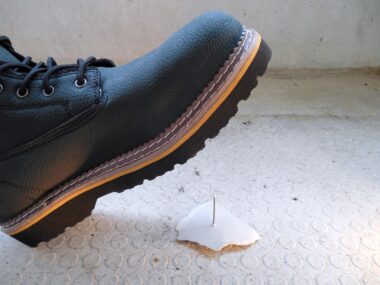

The Importance of Proper Footwear to Prevent Workplace Injuries
Workplace injuries, often sustained due to inadequate safety measures, can lead to significant physical and financial stress. Many of these injuries occur due to improper footwear choices. Proper footwear is crucial for ensuring safety, providing the necessary support and protection against hazards. Employees who are on their feet all day, especially in high-risk environments, need shoes designed to minimize the risk of injuries such as slips, trips, and falls. Footwear that includes slip-resistant soles, adequate cushioning, and proper arch support is essential. Wearing the right shoes can enhance stability and reduce fatigue. Employers should prioritize educating employees about the importance of selecting the right footwear. Available options can include steel-toed boots for heavy machinery operation or lightweight shoes for indoor workplaces. Regardless of the environment, adequate footwear contributes significantly to overall health and productivity. Choosing appropriate shoes is an individual responsibility and a shared workplace culture. Creating awareness around proper footwear is vital. Safety training should involve discussions on footwear choices and their role in injury prevention at work.
Certain types of injuries are more prevalent in specific working environments, making appropriate footwear crucial for reducing these injuries. Construction sites, for instance, pose various hazards including sharp objects, heavy machinery, and uneven surfaces. Moreover, those who work in kitchens or manufacturing settings face pitfalls such as spills or dropped items. In these instances, wearing nonslip shoes can significantly minimize injuries. Employees in such workplaces should prioritize safety over style. Employers can facilitate this by outlining appropriate footwear policies and providing guidelines on the types of shoes best suited for specific jobs. With the right footwear, employees can mitigate the risk of slips, falls, and other injuries effectively. Educating workers on the importance of footwear can improve their safety awareness. Regular training sessions can reinforce this knowledge. Employers could also consider partnerships with reputable footwear brands to ensure employees have access to high-quality safety shoes. Additionally, employees should be encouraged to voice their experiences related to footwear comfort, as uncomfortable shoes can also lead to injuries. Developing a culture that emphasizes safety through proper footwear can ensure a healthier, injury-free workplace.
Choosing the Right Footwear
When selecting proper footwear for workplace safety, several factors must be taken into consideration. The type of work being performed directly impacts the shoe requirements. For example, individuals working in warehouses should consider shoes with reinforced toes and slip-resistant soles for optimal protection. Beyond safety features, comfort should not be overlooked. Shoes that fit well and provide adequate support can prevent fatigue and improve overall productivity. Furthermore, footwear should be chosen based on individual roles within the company. Understanding specific job hazards can help in making informed decisions. Employees should also be trained on how to care for their shoes and replace them regularly, as worn-out footwear can nullify protection benefits. It’s essential to buy shoes from reputable manufacturers who meet safety compliance standards. Employers can help by offering subsidies or allowances for appropriate footwear purchases. This ensures employees can afford the right support for their working conditions. A well-implemented footwear program can substantially decrease workplace injuries. Providing resources and guidelines on footwear can empower employees to make choices that benefit their well-being.
The responsibility of preventing workplace injuries due to improper footwear lies with both employers and employees. Employers play a crucial role in fostering a safety-first culture by offering education and support for shoe selection. Employees, on the other hand, must take initiative and understand their own safety needs. They’ll benefit from training that outlines the risks associated with different types of footwear. Regular communication can help ensure that everyone understands the importance of proper footwear. It is also vital to remind employees to inspect their shoes regularly for wear and tear, as part of their personal safety practices. Overall, a collaborative approach promotes adherence to footwear policies and encourages workers to prioritize safety. Moreover, industry trends should be monitored for innovative footwear solutions. New safety technologies frequently emerge, enhancing foot protection. Employers should remain informed about advancements in safety footwear. Regular discussions help employees stay engaged and invested in safety protocols. Creating a resource library with information on proper footwear can also benefit employee understanding. Together, this effort towards awareness can lead to a safer, injury-free workplace environment.
The Impact of Proper Footwear on Productivity
Proper footwear not only prevents workplace injuries but can also enhance overall productivity. Employees who are comfortable and safe are more likely to perform efficiently in their roles. Comfort in footwear can decrease distraction levels, allowing employees to focus on their tasks rather than on foot pain or discomfort. When workers feel good about their footwear, their morale improves. A motivated workforce directly correlates with higher productivity levels. Employers should recognize this connection between footwear choices and job performance, considering it as an investment in their team’s success. Reducing downtime caused by injuries also positively impacts the company’s bottom line. By decreasing the number of work-related injuries, businesses can lower workers’ compensation costs and maintain a healthier workforce. Ultimately, investing in proper footwear is a win-win for both employers and employees. Creating an environment where safety is prioritized leads to improved health outcomes. Companies that care about their employees’ welfare will experience lower operational disruptions. Furthermore, taking employee feedback into account when discussing footwear options can enhance their sense of ownership. Engaging workers in this safety initiative fosters a unified culture of wellness.
Regular assessments of workplace safety protocols should include discussions on appropriate footwear. This approach ensures that safety measures remain up-to-date and relevant. As work environments evolve, employee needs regarding footwear may change. Consideration should also be given to trends within specific industries that may impact shoe selection. Seasonal variations can alter safety standards as well. By fostering open communication surrounding footwear requirements, workplace culture becomes proactive rather than reactive. To enhance this process, employers can implement feedback mechanisms that allow employees to express concerns regarding footwear. Conducting surveys to gauge employee sentiments about existing footwear policies can offer valuable insights. Enhancing safety training programs to incorporate footwear guidance demonstrates a company’s dedication to staff well-being. Consistently reviewing safety performance metrics can help identify areas for improvement. Additionally, organizing workshops focusing on the importance of proper footwear can foster greater awareness. Workplace safety should always be viewed as an evolving challenge requiring continuous effort and collaboration. Engaging employees in discussions around footwear empowers them to take responsibility and can lead to improved safety standards. The ongoing commitment to safety is key in reducing workplace injuries from the ground up.
Conclusion on the Significance of Proper Footwear
In the realm of workplace safety, the significance of proper footwear cannot be overstated. Properly designed shoes contribute significantly to reducing injury risk and enhancing employee satisfaction. Both employers and employees must recognize their roles in fostering a culture of safety concerning footwear selection. Clear guidelines around acceptable footwear can alleviate confusion and enhance compliance. Additionally, regular communication on the importance of footwear education can empower employees to make informed decisions tailored to their work environments. Through targeted training sessions, companies can emphasize maintaining high safety standards. This collaborative approach supports both employer goals of minimizing injuries and enhancing productivity. It is essential that workplace policies incorporate shoe selection as a foundational element of safety protocols. A culture that values safe practices around footwear contributes positively to overall workplace health. Investing time and resources into proper footwear initiatives ensures companies are prioritizing employee welfare. Furthermore, awareness around proper footwear can transform safety from a mere compliance matter into a fundamental part of workplace culture. Ultimately, when safety is prioritized, employees can perform at their best, leading to rewarding outcomes for both individuals and organizations.