
Improving Coordination Through Balance for New Exercisers
Balance and coordination are essential skills that can significantly enhance your overall fitness journey. For beginners, engaging in balance exercises is not only vital for developing body awareness, but it also helps prevent injuries during various physical activities. Improved coordination allows for smoother movements, making tasks easier and more enjoyable. Several types of balance exercises specifically aim at strengthening the connection between the body and mind, ultimately contributing to overall physical performance and stability. Moreover, these exercises can be performed almost anywhere without requiring expensive equipment. Whether it’s in the comfort of your home or a park, you can enhance your balance skills effectively. It’s never too late to start practicing. Starting small with a commitment to consistent practice will show notable benefits in your everyday life. Having strong balance skills can also boost confidence levels since you will feel more secure in movement. So, let’s explore various balance exercises that beginners can undertake to develop their abilities effectively while improving their coordination through engaging techniques.
One beginner-friendly exercise that significantly improves balance is the single-leg stand. To perform this exercise, stand tall with your feet hip-width apart. Gradually lift one foot off the ground and hold the position for as long as you can. Engage your core muscles and try to maintain stability without wobbling. Start by holding this position for 15-30 seconds, and with progress, aim to increase your hold time. For better results, you can practice near a wall or chair for support. Another excellent exercise is the heel-to-toe walk, which encourages focus, coordination, and balance. To execute this exercise, walk in a straight line placing the heel of one foot directly in front of the toes of the other foot as you step. Count your steps to maintain a rhythm, and once you’re comfortable, try this exercise in various environments and on different surfaces. Incorporating these exercises into your routine will not only improve your balance but also enhance your coordination significantly over time.
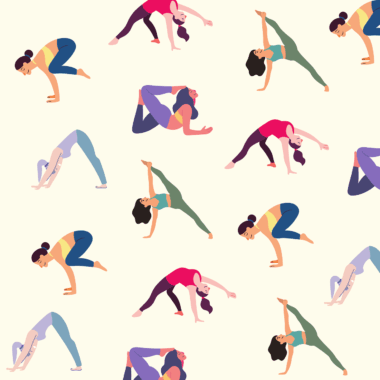
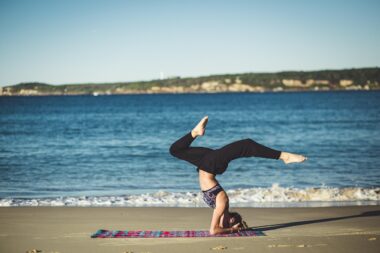
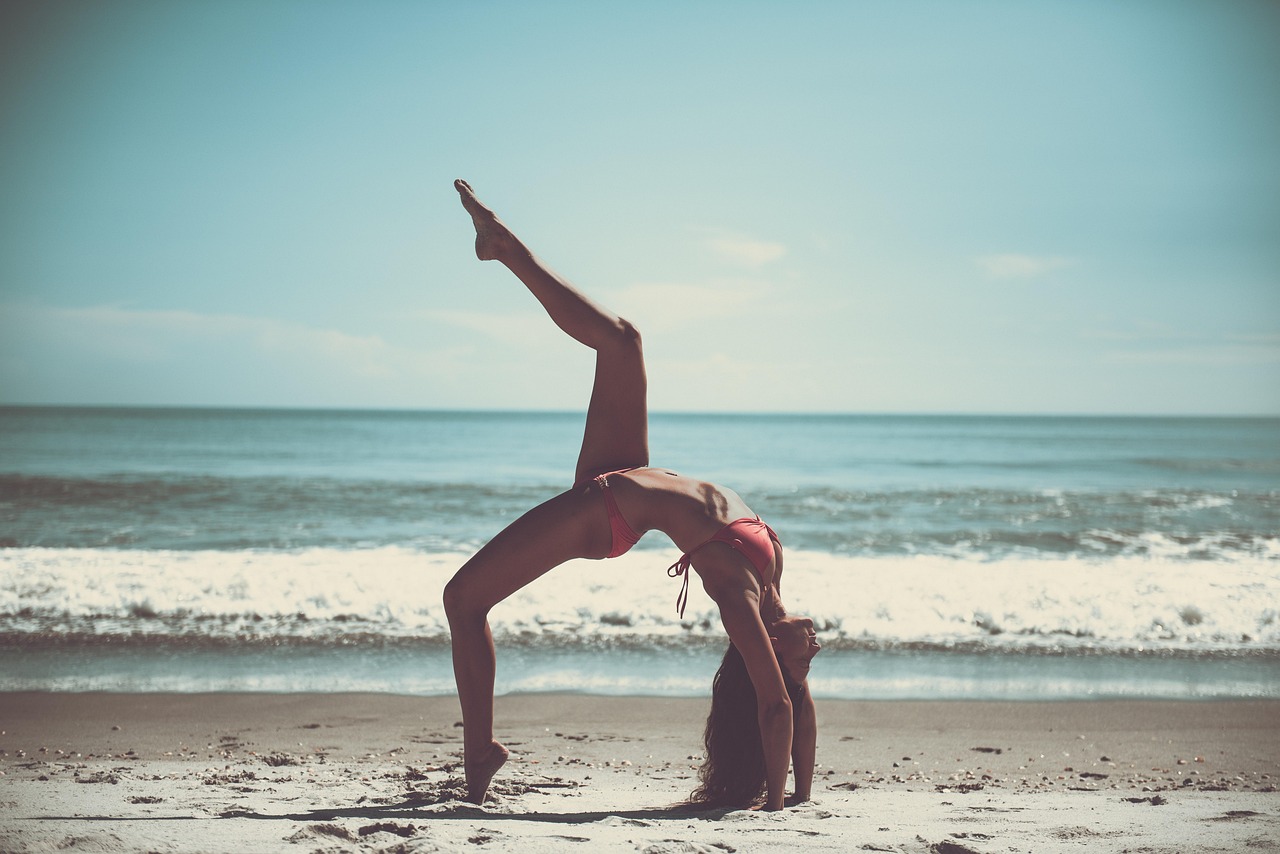
In addition to static exercises, engaging in dynamic movements can also greatly enhance balance for beginners. Yoga serves as an excellent practice for cultivating balance, flexibility, and mindfulness. Many yoga postures, such as the Tree Pose, challenge your body’s stability while promoting strength. To perform the Tree Pose, stand tall and place the sole of one foot against the inner thigh or calf of the opposite leg. Find a focal point in front of you and breathe deeply as you hold the position. Regular yoga practice can train your body’s proprioception, which is the awareness of its position in space. This heightened awareness is vital for coordination and balance, proving beneficial not just in yoga but in everyday movements too. Fortunately, there are numerous online resources and classes available to help beginners navigate through yoga poses. Consistency with exercises like yoga can yield remarkable improvement in an individual’s coordination and balance while providing mental clarity and relaxation as well.
Incorporating Balance Exercises into Daily Routine
To successfully improve balance and coordination, consider incorporating balance exercises into your daily routine. Start with short sessions, allowing your body to adapt to the movements gradually. Set aside 10 to 15 minutes for balance exercises at least three times a week. This commitment ensures you are actively working towards enhanced stability over time. Mix static and dynamic exercises to keep your routine diverse and engaging. As you progress, consider increasing the duration or difficulty of your exercises. Utilize a balance board or a stability ball to challenge your stability further. Utilizing household items such as chairs or walls for support will assist beginners in gaining the confidence needed to develop their skills. Track your progress by noting improvements in your holding times, steps taken without losing balance, or successful transitions between movements. Documenting your achievements will keep you motivated and accountable in your fitness journey. Consistency is key, and soon, balance will become second nature in your daily life.
Moreover, participating in group classes focused on balance, like Tai Chi, can provide social support that enhances motivation. Tai Chi incorporates slow, deliberate movements that improve balance, coordination, and flexibility. The gentle nature of this exercise appeals to all fitness levels, making it an excellent choice for beginners. By joining a class, you will not only learn proper techniques but also meet others embarking on similar fitness journeys. Engaging in a community fosters a sense of belonging and can make exercising more enjoyable. Furthermore, being guided by an instructor ensures you receive tailored feedback that encourages proper form and technique. When done collectively, these exercises evolve into a fun activity, helping you stay committed to your goals. With consistency and determination, the results from these classes can lead to improved confidence in your ability to balance effectively in everyday situations, giving you the satisfaction of overcoming challenges and thriving.
As you indulge in balance exercises, consider setting realistic goals that foster motivation and achievement. Start with simpler exercises and gradually increase the complexity as you build strength and coordination. Setting mini-goals can help create milestones that are essential for staying focused on improvement. For example, you could aim to achieve a certain holding time during a single-leg stand or successfully complete a number of heel-to-toe steps without support. Furthermore, don’t forget to celebrate these small victories, reminding yourself that progress occurs in stages. If you encounter difficulties, rather than seeing them as setbacks, use them as valuable learning opportunities. Modification and adaptation are essential in any workout journey. Take time to listen to your body and allow for proper rest to ensure recovery. Balancing rest and exercise within your routine leads to a well-rounded and effective strategy that produces lasting results. Remember that everyone progresses differently; your journey is uniquely yours, and patience combined with hard work will bring rewards.
Safety Tips for Beginners
Before engaging in any balance exercises, keeping safety in mind is essential, especially for beginners. Always make sure to practice in a safe environment where you have ample space and potential hazards are minimized. Consider exercising close to stable furniture or walls you can use for support as needed. If you’re concerned about falling, having a partner or friend nearby can provide an extra layer of security. Additionally, make sure to wear proper footwear that provides traction and support to your feet. Avoid slippery surfaces when performing exercises, especially when transitioning between different movements. Stay hydrated and listen to your body; if you feel tired, take breaks as necessary. Incorporating appropriate warm-up and cool-down routines can help prepare your muscles and joints for the demands of exercise. Moreover, ensuring adequate flexibility can play a significant role in reducing the risk of injury. Remember, while pushing your limits is beneficial, safety should always remain your primary focus throughout your fitness journey involving balance exercises.
In conclusion, balance exercises serve as the foundation for developing better coordination and physical fitness in beginners. Practicing these exercises regularly not only enhances your balance but also builds strength and body awareness necessary for more complex movements. Incorporating a variety of balance techniques such as stability, yoga, Tai Chi, and dynamic movements keeps the workouts engaging and adaptable to individual fitness levels. Safety and simple modifications should be prioritized to create a supportive atmosphere for practice. As you advance, set achievable goals, track your progress, and celebrate small victories to stay motivated. Remember, patience is vital in this process; progress may be gradual but rewarding. The journey of improving balance and coordination is significant for overall well-being and daily life activities, allowing you to experience increased confidence and independence. The benefits extend beyond physical performance, influencing mental wellness as you cultivate mindfulness in your movements. Start today, take that first step towards improvement, and witness how effective balance exercises can transform your fitness experience.