
Calisthenics and Neuroplasticity: Rewiring the Brain for Positivity
Calisthenics is not only a physical exercise; it also offers significant mental benefits that many practitioners might overlook. Engaging in these bodyweight exercises can lead to improved neuroplasticity, which is the brain’s ability to reorganize itself by forming new neural connections throughout life. This plasticity is essential for mental health, as it allows the brain to adapt to new experiences and recover from injuries. By regularly practicing calisthenics, individuals stimulate cognitive functions, leading to heightened awareness and emotional stability. Furthermore, the meditative aspect of coordinating movements with breath enhances concentration and mindfulness, which are vital for maintaining a positive mindset. Calisthenics can yield long-lasting changes in mental attributes. Such changes could include improved problem-solving skills, memory retention, and even creativity. Therefore, incorporating these practices into your routine can reshape cognitive processes positively. This approach to exercise encourages self-discipline and perseverance, traits beneficial in both physical training and everyday life. Ultimately, consistent practice cultivates a sense of accomplishment, improving self-esteem and confidence. Understanding these connections can help ensure that all individuals reap both the physical and psychological advantages it offers.
Enhanced Mood and Emotional Resilience
Participating in calisthenics also significantly impacts mood and emotional resilience. Studies show that physical activity releases endorphins, which are neurotransmitters responsible for feelings of happiness and euphoria. By performing calisthenics regularly, practitioners can experience reduced levels of anxiety and depression. This form of exercise serves as a natural antidepressant, allowing individuals to combat daily stressors more effectively. Moreover, engaging in rhythmic movements can induce a state of flow, leading to heightened focus and a sense of inner peace. When performing calisthenics, individuals may feel connected to their bodies, fostering self-acceptance and mental clarity. Furthermore, this discipline often cultivates a community, offering social support that further bolsters one’s mood. Connecting with others who share the same passion can provide encouragement and motivation, extending beyond physical workouts. Involving oneself in a supportive environment fosters emotional resilience, making it easier to face life’s challenges. Consistently dedicating time to these exercises contributes not only to physical strength but to building mental fortitude as well. The sense of achievement felt after mastering new skills reinforces a positive outlook that can transform one’s overall mental state.
Calisthenics also promotes better sleep patterns, a crucial aspect of mental well-being. Engaging in physical activities like calisthenics leads to an optimal release of melatonin, a hormone responsible for regulating sleep cycles. Quality sleep allows for deeper relaxation, and restoration of the body, which significantly impacts mental clarity and emotional stability. A well-rested mind becomes more resilient to stress and enhances cognitive performance. The mental benefits derived from improved sleep profoundly influence other areas of life, including relationships and professional performance. Calisthenics can serve as a natural remedy to combat insomnia variables, leading to a more restorative lifestyle. The energy expenditure during workouts allows individuals to release pent-up tensions accumulated throughout the day. In addition to physical exertion, practicing breath-focused techniques during calisthenics sessions can encourage relaxation, further promoting better sleep quality. By prioritizing a healthy sleep schedule, one can reap the cognitive improvements associated with physical activity. A well-rested mind and body can work together harmoniously, leading to increased productivity and positivity. Thus, incorporating calisthenics into daily routines is not just beneficial for physicality but essential for mental rejuvenation.
Building a Positive Mindset through Discipline
One of the core mental benefits of calisthenics is the discipline it instills in practitioners. Developing a consistent workout routine demands commitment and perseverance, which can translate into other aspects of life. This discipline nurtures a growth mindset, encouraging individuals to embrace challenges rather than shy away from them. Each small achievement in a calisthenics routine reinforces the belief in one’s capabilities, fostering a sense of empowerment. As individuals conquer new exercises or improve their skills, they build self-trust and resilience in facing obstacles. Such a mindset is essential for personal growth, helping individuals to view setbacks as learning opportunities. Furthermore, the varied nature of calisthenics routines ensures that boredom is kept at bay, continuously challenging the mind and body. This stimulation boosts creativity, as practitioners learn to adapt workouts for effective results. Over time, this cultivated discipline fosters an understanding of physical and mental limitations, promoting a balanced approach to self-improvement. Engaging in calisthenics transforms exercise from mere physical exertion into a comprehensive journey of self-awareness and personal development. This interconnectedness significantly nurtures a positive mental landscape.
The social aspect of calisthenics serves as another crucial mental benefit. Practicing in groups increases accountability and motivation, leading to enhanced performance and enjoyment. Sharing experiences and measuring progress with others fosters camaraderie, creating a supportive atmosphere. This sense of belonging can increase motivation and make workouts more enjoyable. Practicing calisthenics with friends or joining local communities allows individuals to build social connections. Social interactions during training promote emotional well-being, minimizing feelings of isolation. Being part of an active community can provide a much-needed boost, particularly on days when motivation wanes. In addition, witnessing others’ progress can inspire individuals to push beyond their limits, encouraging a culture of support and encouragement. The communal aspect of calisthenics ultimately contributes to enhanced mental stamina as individuals engage in shared goals. Taking part in group workouts can generate excitement and fun in the fitness journey, leading to sustained interest in physical fitness. The interactions that arise during calisthenics not only enhance physical performance but also influence mental health profoundly, creating a holistic health experience that benefits all participants.
Mindfulness and Body Awareness
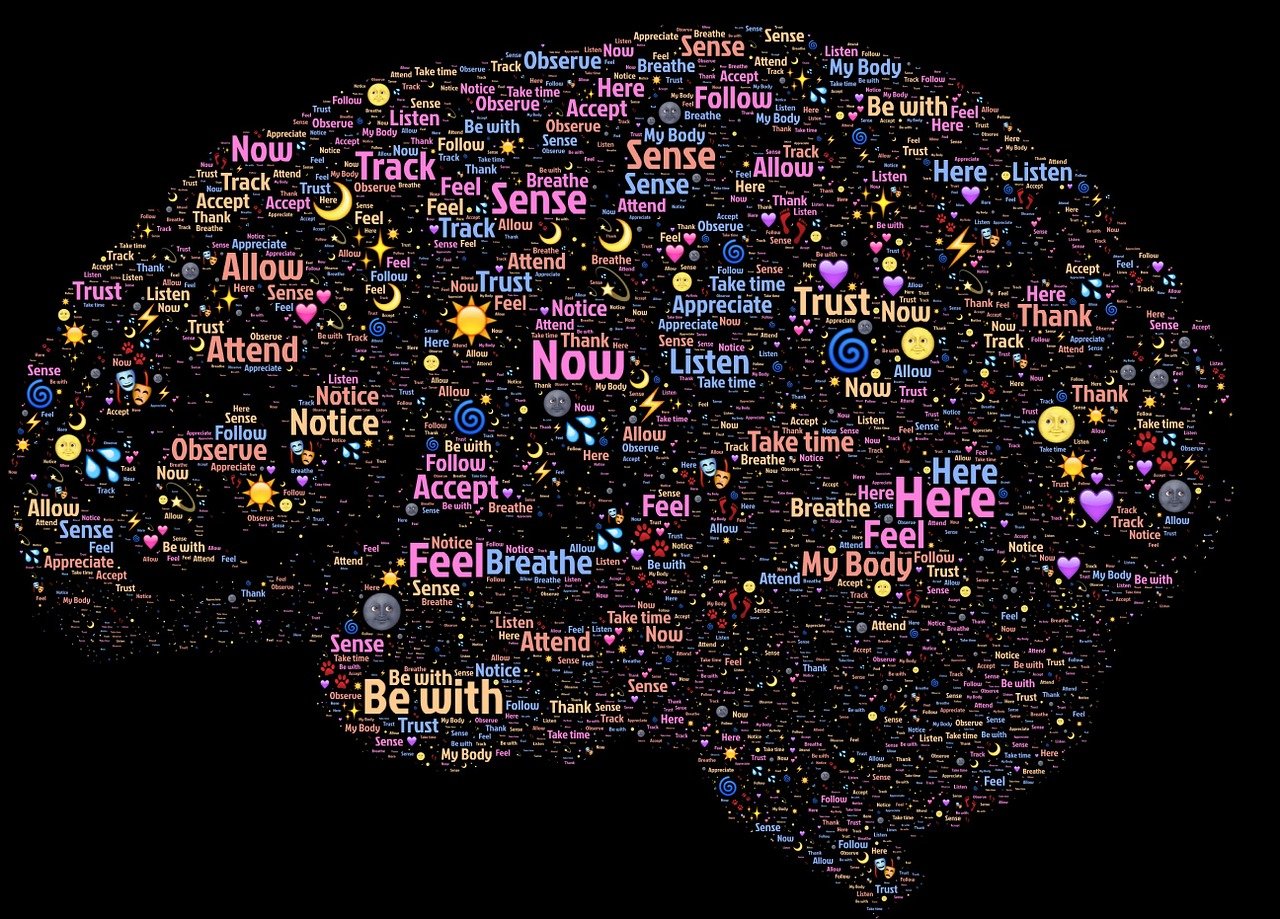
A significant mental benefit of calisthenics lies in enhancing mindfulness and body awareness. As individuals engage in various movements, they become more attuned to their bodies, fostering a deeper connection to the present moment. This awareness cultivates mindfulness, as practitioners learn to focus on their breath and movements. By being mindful during exercises, individuals can reduce worries about the past or future, promoting mental clarity. Such practices have profound implications on overall mental health, as mindfulness can alleviate anxiety and improve emotional regulation. Calisthenics challenges individuals to synchronize breath with movement, developing a keen sense of control over their bodies. As individuals become more aware of their physical state, they can better recognize how emotions might manifest physically. This understanding can enhance emotional intelligence, leading to improved interpersonal relationships. Engaging in mindful movements regularly trains the brain to focus on the present, counteracting negative thought patterns that often lead to stress. Consequently, this shift in mental perspective can create a positive feedback loop in emotional well-being. By fostering mindfulness through calisthenics, individuals can cultivate a lifestyle rooted in awareness and positivity.
In conclusion, the mental benefits of calisthenics are multifaceted and far-reaching. From enhanced mood and emotional resilience to improved sleep patterns, discipline, social connections, and mindfulness, regular engagement in these exercises offers comprehensive advantages. Practicing calisthenics not only transforms the body but can significantly improve mental well-being, fostering a holistic approach to health. As practitioners embrace the rewards of physical activity, they cultivate a positive mindset essential for daily living. By shifting perspectives, individuals can better manage stress, foster relationships, and achieve personal growth, making the journey of calisthenics worthwhile. These exercises create an opportunity for lifelong enhancement, leading to a more fulfilling, balanced life. Ultimately, understanding the impact of calisthenics on mental functions can encourage more people to integrate these practices into their routines. Prioritizing one’s mental health alongside physical fitness is crucial in today’s fast-paced world. Embracing a well-rounded health approach can contribute significantly to overall quality of life, leading to sustained wellness. Thus, calisthenics stands as a powerful avenue for achieving a more positive, resilient mindset.
The Importance of Consistency
The key to unlocking the mental benefits of calisthenics lies in consistency. Establishing a routine and sticking to it fosters discipline that is crucial for mental resilience. Regular practice leads to gradual improvements in skills, strength, and mental clarity. Each successful session reinforces the belief that growth is possible, which boosts self-esteem. When individuals commit to a routine, they develop an intrinsic motivation that fuels consistency in all areas of life. This commitment extends beyond the workout and permeates day-to-day activities, leading to enhanced productivity and a more proactive mindset. Additionally, developing a consistent practice can help individuals recognize progress, no matter how small, aiding in the positive mindset shift. Celebrating these small victories fosters gratitude and self-acceptance, crucial elements for emotional well-being. Furthermore, the brain learns that persistence equals results, cultivating strong pathways for further positive actions. As individuals witness improvements, they become more connected to the process of growth itself rather than just focusing on the end results. Ultimately, consistency in calisthenics creates a comprehensive framework for personal development and mental positivity that transcends physical limitations.