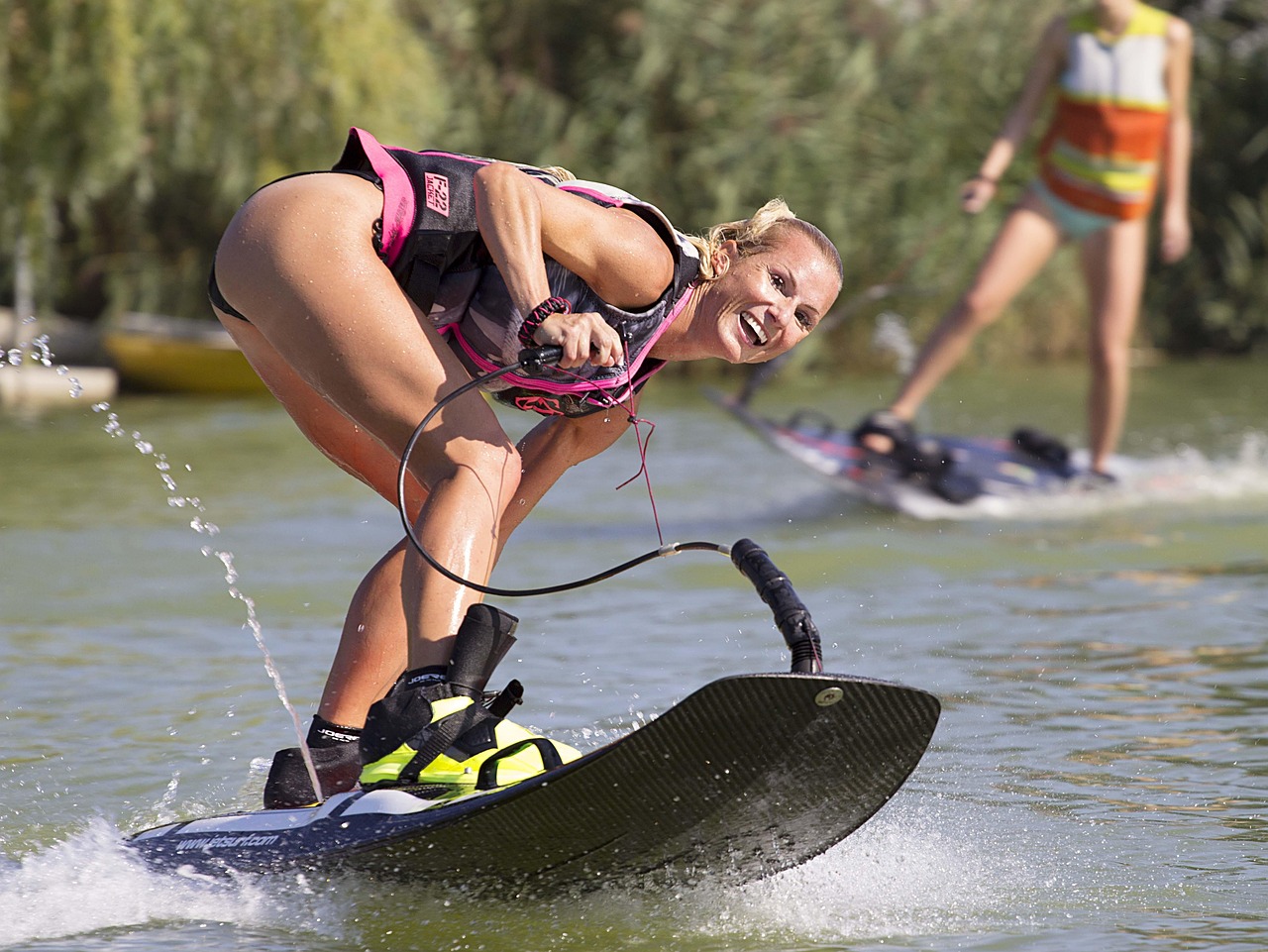

Training for Endurance: Long-Distance Water Skiing Tips
To excel in long-distance water skiing, proper training for endurance is essential. The first step is to establish a solid physical foundation. Incorporate exercises like running, cycling, and swimming into your fitness regime to build cardiovascular endurance. The stronger your heart and lungs, the better your performance on the water will be. Flexibility and strength training workouts, such as yoga and weight lifting, significantly complement endurance training. These methods enhance your muscle control and reduce the risk of injuries, which is crucial during long sessions on skis. Pay attention to your diet as it fuels your training. A healthy balance of carbohydrates, proteins, and fats is vital, as is staying hydrated. Don’t underestimate the importance of recovery days, as they allow muscles to heal and grow stronger. Cross-training can help prevent burnout while keeping your muscles engaged and improving overall performance. Set achievable goals to build up stamina gradually, as this also contributes to mental fortitude. Remember that mental strength is just as essential. Focus on visualization techniques prior to setting out, envisioning successful runs and the experience of gliding over the water.
Essential Techniques and Gear
Mastering the right techniques is fundamental in long-distance water skiing. It’s crucial to optimize your skiing stance for efficiency. A slight bend in your knees, keeping your feet shoulder-width apart, and maintaining a low center of gravity will improve stability. As you ski, look ahead, focusing on the horizon rather than checking behind. This will keep your posture aligned and your body relaxed. Proper weight distribution is essential; transfer your weight smoothly between your feet, keeping balance during turns or rough conditions. Additionally, practice gliding techniques to minimize drag and conserve energy during extended runs. Invest in quality equipment that complements your skill level and performance goals; having the right water skis can dramatically enhance your experience. Consider using a ski rope designed for longer distances, which offers less resistance and aids smoother pulls. Always wear a personal flotation device (PFD) for safety during long sessions and make sure your ski gear fits appropriately. Regularly check your gear before hitting the water; well-maintained equipment ensures both performance and safety, especially during long-distance skiing.
Long-distance water skiing requires effective pacing strategies for optimal endurance. Beginners often start too fast, leading to fatigue. Understand your limits and gradually establish a pace that feels sustainable throughout your run. Trained skiers often utilize interval training techniques, alternating between high-intensity bursts and moderate pacing to improve endurance. This not only enhances stamina but also builds strength, as your body learns to recover while moving. Moreover, incorporating comprehensive training sessions on the water will contribute to long-distance performance. Consider setting up a course that mimics race conditions, practicing with different speeds and waves. Pay attention to your breathing while skiing; rhythmic breathing technique promotes endurance and ensures you remain calm during high-pressure moments. Also, practice different strokes to engage diverse muscle groups, which enriches your overall skiing capabilities. Stay motivated by skiing with a group or joining water skiing communities; this creates a supportive atmosphere and improves your skills through shared experiences. Keeping a journal of your progress can help track improvements, setting benchmarks to keep you motivated as you build your endurance.
Nutrition and Hydration
Nutrition plays a crucial role in developing enduring skills for water skiing. Focus on nutrient-dense foods that provide sustained energy. Whole grains, leafy greens, lean proteins, and healthy fats will supply your body with the essentials it needs during training. Opt for meals rich in carbohydrates, especially prior to rigorous skiing sessions, to ensure energy reserves are at optimum levels. Snacks such as energy bars or fruits can help maintain energy throughout long training days. Equally crucial is hydration; always keep water available, aiming to drink consistently before, during, and after skiing practice. Dehydration can lead to fatigue and impair physical performance significantly. Tailor your fluid intake to the duration of your skiing session, increasing the amount if conditions are hotter or if you’re skiing longer distances. Consider electrolyte-rich drinks for intensive workouts to replenish lost salts. Meals rich in potassium and magnesium will assist in reducing muscle cramps and aid recovery. As you prepare for longer skiing opportunities, focus on pre-hydration; ensure your body is well-hydrated before you hit the water for maximum performance.
Rest and recovery are essential components of endurance training for long-distance water skiing. Allow your body adequate time to recuperate between training sessions; this is when muscle repair and growth occur. Schedule regular rest days to prevent overuse injuries and mental fatigue. Implementing active recovery techniques, such as light swimming or yoga, can aid in circulation and flexibility. Additionally, consider massage therapy to alleviate muscle tension and enhance relaxation. Listen to your body; if you feel unusually fatigued or sore, prioritize recovery. Quality sleep is non-negotiable; aim for 7-9 hours each night, as good rest will boost performance significantly. Post-training nutrition is just as crucial; a combination of carbohydrates and protein within thirty minutes after training will expedite recovery. Utilize ice baths or contrast baths; they reduce inflammation and soreness, enhancing recovery time. Monitor your physical and mental well-being, as prolonged weariness can lead to burnout. Building a training schedule that incorporates both rigorous training and adequate rest will ensure consistent improvement and the longevity of your water skiing journey. Remember, endurance training is a marathon, not a sprint.
Mental Strategies for Endurance
Mental resilience is pivotal in long-distance water skiing performance. Developing focus and concentration skills can keep you engaged, especially during draining sessions. Practice mindfulness techniques to remain present while skiing; this can enhance your overall performance and prevent distractions. Visualization strategies are powerful; mentally rehearse your techniques and imagine a successful run to boost confidence. Set realistic, incremental goals, breaking down larger objectives into achievable tasks to inspire motivation and create a sense of progress. Incorporating positive self-talk can help maintain confidence and overcome self-doubt during challenging moments. Competing against others boosts motivation, yet listening to your own rhythm during skiing is equally important; learn to find your unique flow. Consider connecting with a mentor or coach who can offer insight and encouragement. Engage in water skiing communities; having conversations with fellow skiers allows for the exchange of tips and experiences. Establish a consistent pre-ski routine that calms your mind before each session. This will prepare you mentally for long-distance skiing. Ultimately, combining physical endurance with mental strategies creates a well-rounded approach to long-distance water skiing.
Finally, safety considerations should always be at the forefront while engaging in long-distance water skiing. Always assess water conditions before setting out; be aware of tides, currents, and potential obstacles. Wearing a personal flotation device (PFD) is crucial, regardless of skill level. Check local regulations and adhere to safety requirements, which protect both you and fellow skiers. Ensure your skiing environment is well-monitored, especially during long runs, in case assistance is needed. Prepare for emergency situations by carrying safety gear, such as a whistle or mirror, and ensure your ski boat has proper signaling devices. It is essential to have a reliable communication system; being able to call for help can make a significant difference during long distances. Develop first aid knowledge to prepare for minor injuries that may occur. Encourage skiing in groups, allowing others to observe while you practice endurance techniques. Set designated routes and inform someone of your skiing plan. Prioritizing safety ensures enjoyable skiing experiences while enhancing endurance. Long-distance water skiing can be immensely rewarding, and careful planning contributes to successful and safe adventures.