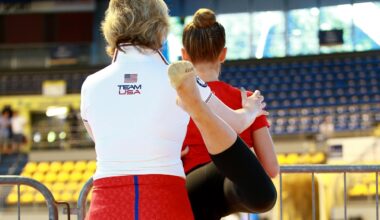

Balancing Ambition and Relaxation to Prevent Anxiety Spikes
Performance anxiety is a common challenge faced by athletes, ranging from amateurs to professionals, under pressure to excel. Understanding how to manage anxiety can help athletes achieve optimal performance. When individuals feel overwhelming pressure, their ability to focus and execute skills can diminish considerably. Finding a balance between ambition and relaxation is vital to alleviate anxiety. Athletes need to adopt strategies that promote relaxation while maintaining their drive to succeed. Regular practice of relaxation techniques like deep breathing and visualization can create a mindset conducive to performance improvement. These techniques not only alleviate anxiety but also enhance concentration. Furthermore, setting achievable goals can help athletes remain focused on their performance while minimizing fear and doubt. Cultivating a growth mindset fosters resilience in the face of setbacks. The journey of improvement often involves facing anxieties naturally. It is crucial to build a personal arsenal of coping strategies to tackle performance pressure effectively. By prioritizing mental health alongside athletic training, individuals can navigate the complexities of competition and avoid the detrimental effects of performance anxiety when it matters most.
Recognizing the Signs of Performance Anxiety
Recognizing signs of performance anxiety is essential for athletes to manage their mental well-being. Some common symptoms include excessive sweating, heart palpitations, and negative thoughts about one’s abilities. These symptoms can vary in intensity from mild to severe, depending on the individual and the specific situation they face. By identifying anxiety triggers, athletes can better prepare themselves to handle performance-related stress. For instance, competition days may trigger heightened feelings of anxiety. Noticing these signs allows athletes to implement coping strategies proactively. It may be helpful for individuals to keep a journal to document their experiences and feelings before, during, and after competitions. This reflection can assist in pinpointing specific triggers and patterns. Communication with coaches and teammates also plays a vital role in alleviating stress. By expressing concerns, athletes can receive support and advice. Practicing relaxation techniques regularly can build confidence over time, thus reducing the physical and emotional effects of anxiety. Emphasizing the importance of mental health in athletic training can contribute to overall performance success, establishing habits that last beyond competitions.
Setting realistic goals serves as an effective strategy in managing performance anxiety. Ambition is an innate characteristic of athletes, but without balancing it with practical expectations, anxiety can quickly surface. Establishing achievable short-term goals creates a sense of satisfaction and success that fuels motivation. These incremental achievements enable athletes to build confidence and gain momentum. Moreover, focusing on the process rather than solely the outcome can alleviate the pressure to perform perfectly in every situation. For instance, athletes can concentrate on individual aspects of their performance, such as technique or form, rather than fixating on winning. This focus on improvement fosters a positive mindset and reduces anxiety levels. Additionally, celebrating small victories assists in reinforcing confidence and decreasing fear. Another valuable aspect involves seeking feedback from coaches and mentors to ensure growth aligns with the desired objectives. Personalizing goals based on skill levels and experience encourages athletes to define their paths based on personal bests rather than comparing themselves to others. Ultimately, this strategy cultivates an environment conducive to success, allowing ambitions to flourish with less strain.
Incorporating mindfulness practices into training regimens can significantly aid in reducing performance anxiety. Mindfulness involves being present in the moment and provides athletes with tools to navigate stressful situations. Techniques like meditation, yoga, and body scans enhance one’s focus while allowing athletes to acknowledge and manage their emotions. Research indicates that athletes who engage in mindfulness practices tend to experience lower levels of anxiety and improved performance quality. By consciously observing their thoughts without judgment, athletes can develop healthier responses to competition and stress. Developing a routine that includes mindfulness practices can create a calming pre-performance ritual that transitions athletes into the right mental state. Athletes should identify which mindfulness techniques resonate best with them, tailoring their practice accordingly. Incorporating these techniques into daily training helps normalize stress management as a vital part of preparation. Furthermore, sharing these practices within teams encourages collective well-being and strengthens team dynamics. Overall, adopting mindfulness practices fosters a supportive environment aimed at mitigating the pressures of performance while improving athletes’ abilities to concentrate under pressure.
Physical conditioning plays a crucial role in managing performance anxiety, as athletes who feel confident in their physical abilities are less likely to experience anxiety. A comprehensive training regime that focuses on building strength, endurance, and flexibility not only enhances athletic performance but also contributes to mental resilience. When athletes are well-prepared physically, they tend to exhibit greater confidence in their skills. This self-assurance significantly reduces performance anxiety, allowing them to focus on execution rather than fear of failing. Additionally, incorporating varied training methods keeps the experience enjoyable while building competence over time. Mixing sports techniques with enjoyable aerobic activities develops a holistic approach to fitness and mental well-being. Recognizing the effort invested in physical preparation also empowers athletes to embrace challenges more positively. Team practices and conditioning sessions promote camaraderie, providing social support that aids in creating a conducive environment for personal growth. Moreover, diversifying skill sets through cross-training not only enhances performance capabilities but also fosters mental flexibility. Ultimately, a physically agile body leads to a mentally prepared athlete, enabling them to thrive in competitive situations.
Utilizing Support Systems Effectively
Utilizing support systems effectively is paramount in battling performance anxiety, especially within competitive sports settings. Athletes should not hesitate to reach out to coaches, mentors, or sports psychologists to share their experiences and seek guidance. Open communication fosters an environment of trust, which can lead to personalized strategies that mitigate anxiety. Team dynamics also play a critical role in performance; having supportive teammates can enhance morale and provide comforting reassurance. Encouragement from those who understand the pressures of competition can alleviate fears effectively. Many athletes may find solace in peer support groups, where sharing experiences fosters camaraderie and understanding. Integrating mental health professionals into athletic programs emphasizes the importance of psychological well-being. These professionals can provide specialized techniques tailored to individual needs. Moreover, regular check-ins on mental health within sports teams help in reinforcing a culture of awareness surrounding anxiety. Establishing these support networks creates a foundation of resilience, ultimately paving the way for enhanced performance. Fostering strong bonds and communication lines encourages athletes to view the performance experience as an opportunity instead of a threat that incites anxiety.
In conclusion, balancing ambition and relaxation is essential for managing performance anxiety effectively. Athletes can adopt various techniques and strategies that promote a healthier mental state. Awareness of anxiety symptoms, focus on realistic goal-setting, incorporation of mindfulness practices, and strong physical conditioning play pivotal roles in any athlete’s journey. Building a robust support system further empowers athletes in navigating the challenges of competition. Being mindful of their mental health alongside physical training lays the groundwork for sustainable performance improvements. It enables athletes to embrace challenges and setbacks with resilience. Developing a repertoire of coping strategies equips athletes with the tools needed to manage both anxiety and ambition, leading to enriched athletic experiences. As the relationship between mental health and athletic performance becomes increasingly recognized, athletes must prioritize their well-being. Ultimately, the balance achieved between ambition and relaxation will empower them to reach their full potential. It transforms the way they interact with their performance, turning anxiety into a source of strength instead of a hindrance.