
Biomechanical Feedback Systems Enabled by Virtual Reality in Fitness Training
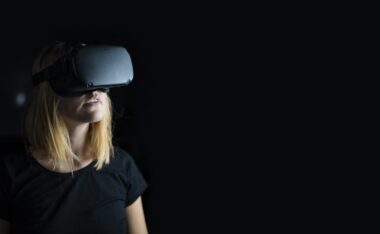
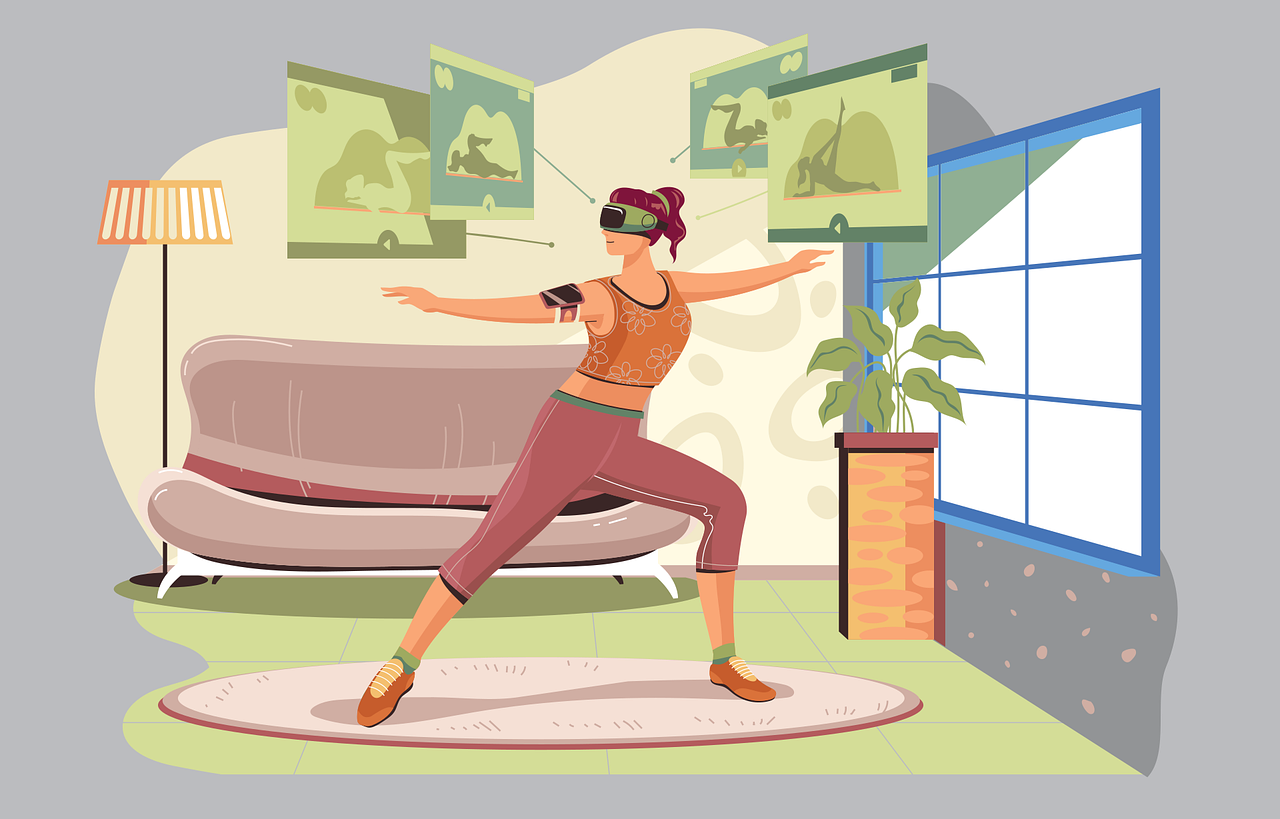
The integration of virtual reality (VR) technology with biomechanics can revolutionize fitness training. By offering an immersive experience, individuals can engage physically and mentally. Traditional workouts often lack real-time feedback, making it difficult for users to adjust their techniques. VR solutions address this by utilizing sensors to monitor biomechanics during exercises. As users engage in virtual scenarios, they gain insights into their movements, helping optimize performance significantly. These systems also encourage consistency in training. Engaging virtual environments can lead participants to remain motivated. Compared to conventional settings, VR provides attractive challenges and experiences. For example, a user may find themselves climbing a virtual mountain that requires specific physical movements replicated in real life. The motivation derived from such environments can lead to improved workout adherence and increased overall fitness benefits. Collectively, this creates a feedback loop that continuously informs users about their biomechanical efficiency. Ultimately, virtual reality environments not only enhance engagement but also education on biomechanics, resulting in safer and more effective training programs. The use of such advanced technologies is paving the way for innovative fitness solutions that transcend typical gym experiences.
Real-Time Analysis in Virtual Environments
One of the most significant advantages of employing biomechanical feedback systems in virtual reality is the capability for real-time analysis. Users equipped with motion-tracking devices can access immediate feedback on their movements. As they perform exercises, the VR system collects data on their biomechanics, identifying key metrics such as speed, power, and form. This instant analysis allows trainers and users to pinpoint flaws in technique. By adjusting movements in the moment, the risk of injuries decreases and efficiency increases. Additionally, users gain awareness of their performance which fosters a deeper understanding of body mechanics. Continuous feedback leads to informed decisions, enabling enhancements over time. Furthermore, virtual environments can simulate various scenarios that challenge users to enhance specific skills. This unique approach to training can also cater to individual preferences and goals, making it a highly personalized experience. Trainees can visualize their progress through various metrics conveyed in an engaging fashion. The seamless integration of biomechanics and VR ensures that fitness training becomes a dynamic and effective process. As adoption increases, we can expect a significant shift in how people approach their workouts and physical conditioning.
Moreover, the educational value offered by VR in biomechanics cannot be overlooked. Users are often unaware of the biomechanical principles guiding their movements. VR can bridge this knowledge gap by providing visual feedback indicating how their bodies respond to different exercises. By graphically representing animations, users can understand concepts such as force angles or weight distribution. This comprehensive learning experience fosters a culture of self-improvement and education. Integrating VR into biomechanical feedback systems promotes a healthier understanding of physical activity. Participants thus become more thoughtful about their workout regimens. Gamification elements in VR can further enhance learning experiences, allowing users to earn rewards for improving biomechanics. Such incentives encourage exploration leading to progressive fitness growth. It is not uncommon for participants to report greater satisfaction when they grasp the mechanics behind their movements. In turn, this can lead to better long-term adherence to fitness routines as users feel empowered. Ultimately, the blend of education and engagement through VR technology reshapes the landscape of fitness training, creating informed participants dedicated to achieving their personal goals.
In addition to the immediate benefits, biomechanical feedback systems in VR have long-term implications for injury prevention. Understanding body mechanics allows users to make informed adjustments at critical moments. Users receive tailored adjustments based on data collected over time, which can modify their approach. Often, injuries arise from poor technique, especially during repetitive movements. VR provides a unique avenue to address and correct such issues proactively. Regular engagement ensures users are consistently reminded of proper form. The risk of developing chronic injuries decreases, promoting safer fitness environments. As people adopt these technologies, they cultivate greater physical awareness and responsiveness to fatigue signals from their bodies. Futuristic systems could also integrate machine learning to enhance feedback over time, providing increasingly personalized approaches. Such advancements are likely to redefine fitness training as an intelligent pursuit that adapts to individual needs. Additionally, incorporating these systems within rehabilitation contexts can significantly aid in recovery. They allow patients to confidently engage in safe movements, guided by precise biomechanical feedback. Hence, the implications are far-reaching, potentially leading to a healthier population with reduced injury rates.
Furthermore, with the rise of wearable technology, biomechanical feedback systems can evolve into a more comprehensive fitness solution. Wearable devices can collect data on heart rates, muscle engagement, and other critical metrics in tandem with VR environments. By utilizing this multifaceted data, a more holistic view of fitness performances emerges. Users gain insights beyond just biomechanics. The integration of biological data into VR experiences provides a broader understanding of one’s health. For example, combining heart rate zones with movement efficiency allows trainees to refine exercise intensity levels. Real-time adaptability increases engagement and guarantees users maximize burning calories and improving cardio fitness. Moreover, fitness professionals can utilize this data to design better programs tailored to individual user needs. Collaborative platforms can reduce variability in training intensity. By bridging the gap between biomechanics and overall fitness, a complete approach forms. These innovations position users to participate in their health journey actively. Therefore, the convergence of VR and biomechanics fosters a supportive community dedicated to achieving fitness milestones. This synergy creates a lifestyle conducive to personal growth and success.
As the field of biomechanics evolves, incorporating virtual reality becomes a driving force for research and innovation. This combination provides a foundation for developing sophisticated training protocols. Researchers can explore the effects of various exercises within safe environments. For instance, experiments can assess how unique movements impact muscle activation across different skill levels. Collectively, the findings can inform practitioners on the most effective exercises for varied clientele. Furthermore, researchers will unlock insights on long-term adaptations to training regimens when coupled with feedback systems. VR facilitates complex studies in biomechanics by placing subjects in realistic environments where movements can be tested extensively. Consequently, the future of fitness training takes shape with exciting possibilities for greater individualization and efficacy. Advances in biomechanics inspire novel technologies that push fitness boundaries continually. As research delves deeper, VR experiences may evolve, integrating biofeedback mechanisms that truly connect trainees with their movement. Overall, the outlook remains bright for harnessing virtual reality to enhance biomechanics, providing users with innovative and effective training solutions.
In conclusion, biomechanical feedback systems enabled by virtual reality herald a new era in fitness training. The intersection of these technologies fosters greater engagement, compliance, and safety for users embarking on their fitness journeys. By tapping into immersive environments, individuals gain insights into their biomechanics while experiencing a personalized approach to workouts. Real-time feedback refines techniques that aid in shaping healthier habits over time. In addition, the educational aspects of VR provide clarity about fitness mechanics, empowering users to take ownership of their health. With advancements in wearable technologies and ongoing research, the future promises even greater synergy between biomechanics and virtual reality. The fitness industry stands at the precipice of transformative change, improving the experiences of individuals dedicated to pursuing fitness successes. As technology evolves, trainers, healthcare professionals, and users will embrace sophisticated solutions tailored to diverse needs. The potential impact extends beyond traditional boundaries, creating a pathway for innovation and enhanced understanding of biomechanics. Ultimately, we can anticipate a world where fitness training becomes an enlightening, safe, and productive experience, changing how individuals approach personal health and well-being.
In summary, the combination of biomechanics with virtual reality leads to innovative training systems. Users today expect technologies that engage their interests while meeting their fitness goals. The immersive nature of VR has the potential to revolutionize how individuals approach exercising. This societal shift could redefine norms concerning health and fitness. As more people adopt these solutions, we can anticipate an era characterized by conscious and informed training experiences. In addition to improving performance, innovations rooted in biomechanics enhance lifestyle factors. As we explore this captivating frontier, both fitness professionals and users will undoubtedly benefit from emerging solutions, fostering a culture that values education, safety, and engagement. By embracing these advancements, individuals can expect to unlock unprecedented levels of understanding regarding their physical capabilities. The integration of real-time feedback, educational tools, and supportive communities cultivates environments conducive to thriving fitness journeys. Enhanced focus on biomechanics through VR can empower users not only in achieving their targets but also in developing a fulfilling, sustainable lifestyle. Indeed, the future of fitness is bright, creating opportunities to embrace personal growth while embracing innovative technologies.