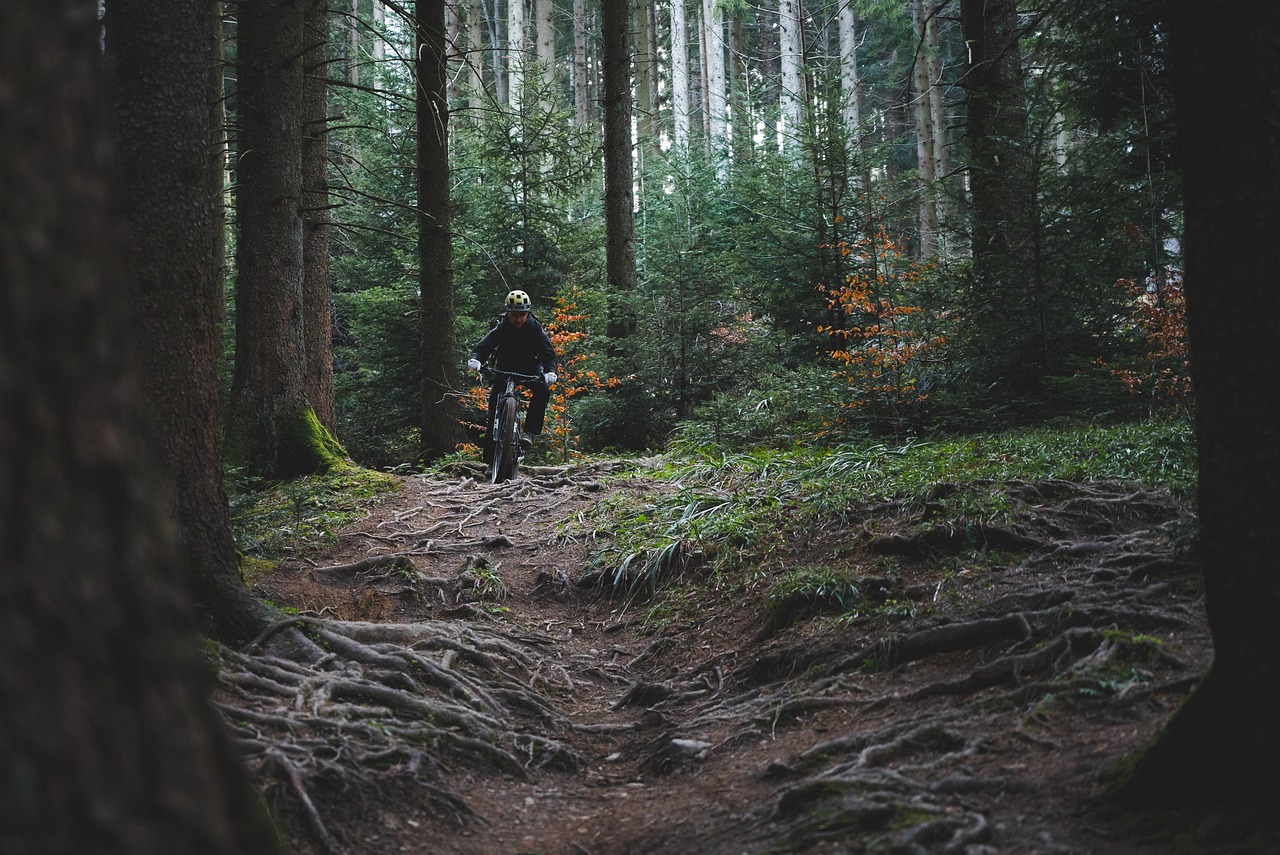

Cycling Through Forest Trails: What You Need to Know
Cycling through forest trails offers not only an exhilarating experience but also an opportunity to connect with nature. If you’re an avid cyclist, tackling tough terrain can be challenging yet rewarding. The first step is understanding the essence of mountain biking. Trails can vary in difficulty, and assessing your skills is crucial. Novices should begin with smoother, less technical trails, while experienced riders can navigate more rugged paths. Knowing your limits ensures safety and enhances enjoyment. Preparation is key when planning a trail ride, and it starts with choosing the right bike. Mountain bikes are designed for off-road cycling, featuring wider tires, strong frames, and low gear ratios. Additionally, consider the terrain you’ll encounter. Look for features such as steep inclines, rocky paths, and uneven surfaces. Pack essential gear, including a repair kit, water, and snacks, to keep your energy up during the ride. A good helmet and protective gear are non-negotiable. Being physically fit can make a significant difference, so consider incorporating strength and endurance exercises into your routine. Always inform someone about your route for safety.
Understanding Trail Types
Forest trails come in various types, each offering different challenges for cyclists. Understanding these classifications can dramatically influence your riding experience. Beginners should focus on green or blue trails, which are generally well-maintained and easier to navigate. As skills progress, you can explore more challenging black and double-black diamond trails, which require advanced skills and excellent bike handling. Be sure to research trail maps in advance, as this can help identify potential barriers or hazards along the way. Additionally, consider utilizing trail apps to track rides and connect with local cycling communities. It’s essential to respect trail rules, such as yielding to hikers and maintaining a steady speed. Not only does this show courtesy, but it also enhances safety for everyone on the trail. Trail etiquette also includes staying on designated paths to prevent environmental damage. Cyclists should spread out to minimize wear on the trail surface and avoid congesting specific areas. Another important aspect of trail cycling is understanding the environmental impact of your ride. Promoting responsible cycling helps protect natural habitats, ensuring that everyone can continue to enjoy these beautiful locations.
When you’re ready to hit the trails, always prepare your bike adequately. Regular maintenance is crucial for navigating tough terrain without issues. Check your tire pressure, ensuring they are adequately inflated according to trail requirements. Tire choice plays a significant role; wider tires offer more grip on rocky paths, while lighter tires are beneficial for smoother rides. Inspect the brakes, gears, and chains before departure to ensure everything functions optimally. During your ride, remain vigilant for obstacles such as fallen branches or loose rocks. Skills in maneuvering around these challenges grow with practice and patience. Learn how to shift your weight correctly while riding downhill; this technique significantly influences balance. As you gain confidence, experiment with more advanced techniques like cornering, jumping, and even riding over obstacles. Understanding the dynamics of your bike also aids in enhancing your performance over the toughest terrains. Participate in community workshops or clinics if possible; this provides hands-on experience and expert tips. Engaging with other cyclists is invaluable as they can share their experiences and suggestions. Most importantly, remember to enjoy the ride and appreciate the beauty that surrounds you.
Essential Gear for Trail Riding
The right gear can significantly elevate your cycling experience on forest trails. When preparing for a ride, start with the essentials: a high-quality helmet, gloves, and padded shorts. A helmet protects against unfortunate falls, while gloves ensure better grip and comfort during long rides. Padded shorts enhance comfort over challenging terrain, enabling a more enjoyable experience. Hydration is key, so carry an adequate supply of water in a hydration pack or water bottles. Snacks high in energy, like energy bars or dried fruits, are vital for maintaining stamina on lengthy trails. Consider investing in a good pair of cycling shoes designed for off-road use. These shoes offer improved traction and stability, ensuring better control on uneven surfaces. A reliable first aid kit is a worthwhile addition to your gear. This kit can help address minor injuries and ensure safety during rides. Additionally, familiarity with basic repair methods boosts confidence when tackling longer trips. Assess weather conditions beforehand, adjusting your gear to suit varying climates. Rain jackets, arm warmers, and leg warmers can significantly enhance comfort during unexpected weather changes.
A key aspect of cycling through forest trails is reading terrain effectively. Learning how to analyze the ground helps in predicting the conditions ahead. Factors such as soil type, moisture levels, and slope angles can significantly influence your ride. Recognizing obstacles should also be a priority, particularly in forest environments. Roots, rocks, and bushes can suddenly appear, requiring not just speed management but also sharp agility. Riding alongside experienced cyclists can foster this skill, as they can offer insights based on their own experiences. Furthermore, adjusting riding techniques in varying terrain is crucial. For instance, adopting a lower center of gravity can improve balance on downhill sections, while shifting body weight forward aids in climbing. In addition, pacing your ride helps conserve energy. Start at a manageable speed, leaving room to push harder if necessary. Pay attention to your body; recognizing fatigue signals helps prevent burnout. The more you ride, the better you’ll navigate changes in your physical state. Embrace the journey, as learning takes place with every ride, ultimately positioning you as a proficient trail cyclist.
Navigating Challenges on the Trails
No ride through forest trails is complete without challenges, which can range from steep gradients to unexpected weather changes. Developing resilience is crucial to overcoming these hurdles. Steep inclines demand strength and technique; practice shifting your bike’s weight as you ascend to maintain balance. Climbing requires endurance, so incorporating hill training into your routine can prepare you for tough sections. Gearing also plays a role; selecting an appropriate gear ratio makes uphill riding smoother. While cycling, be alert for rapid weather changes. Rain can make trails slippery, demanding extra caution and slow down your pace. If faced with adverse weather, adjust plans accordingly and prioritize safety. Equipment such as waterproof gear and brake pads designed for wet conditions can safeguard against unforeseen circumstances. Additionally, navigating through mud challenges even seasoned cyclists. Learning how to balance and steer when roads turn muddy is part of improving your biking skillset. Utilize lighter body weight for better traction, sometimes walking your bike through tricky patches is the best option. Familiarize yourself with self-rescue tactics; this preparedness ensures enjoyable rides regardless of challenges faced on the trail.
Connecting with the cycling community enhances your forest trail experience significantly. Being part of a group allows for shared experiences, tips, and advice from fellow cyclists. Many local cycling clubs host group rides that cater to various skill levels. Joining these groups not only builds camaraderie but also improves your riding technique. Moreover, local forums can provide updates on trail conditions and events in your area. Participating in community events such as trail clean-ups helps foster a sense of responsibility towards the environment. Engaging in these actions supports local trails, ensuring that everyone can benefit from beautifully maintained paths. Attending workshops or clinics offered by seasoned cyclists can show you advanced techniques and proper bike maintenance. Online courses dedicated to bike handling can also be useful, especially for those eager to improve. Share your own experiences and challenges, as this creates an open dialogue and helps record personal progress. Whether online or in-person, fostering connections with the cycling world enriches your riding experience on forest trails. As you build your network, remember to encourage newcomers; share knowledge and enthusiasm to help grow the cycling community.