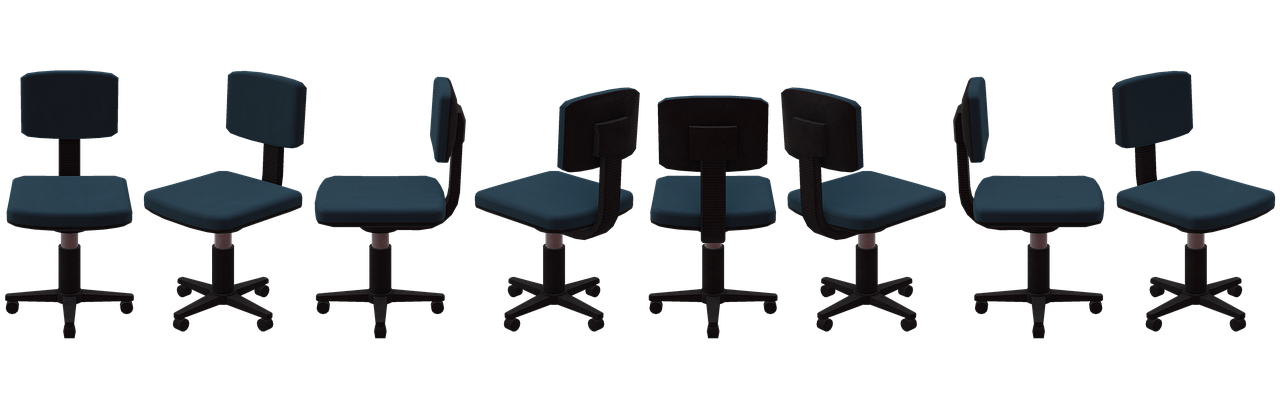

How to Evaluate Chair Ergonomics Using an Assessment Checklist
Evaluating chair ergonomics is essential in ensuring workplace comfort and health. An ergonomic chair supports the body’s natural posture and helps prevent discomfort, pain, and long-term injuries. The right chair can enhance productivity by offering both comfort and support. An ergonomic assessment checklist aids in systematically evaluating the chair’s design and suitability for users. This checklist comprises various components, including adjustable features, lumbar support, and seat depth, making it crucial for selection. Comfort may vary significantly from one individual to another. Testing adjustments for height and back support according to individual needs is vital. Consideration of armrests is also an integral factor; they should promote relaxation and reduce shoulder strain. This process allows users to assess chair features and their alignment with personal ergonomic needs. Identifying shortcomings in current seating can lead to better health outcomes. Regular reviews of chair ergonomics through such assessments ensure ongoing improvement to workplace setups. Ultimately, proper adjustments help mitigate risk factors associated with poor posture during long hours of work.
Understanding Key Ergonomic Chair Features
To effectively use an ergonomic assessment checklist, one must grasp the key features that contribute to a chair’s ergonomics. These details include adjustability, lumbar support, seat height, width and depth, and armrest positioning. Each function plays a specific role in ensuring proper support for the spine and overall posture. The user should be able to easily adjust the chair’s height, ensuring that knees remain at a right angle when seated. Lumbar support is essential; it should conform to the lower back’s natural curve, preventing slouching. Seat depth and width should accommodate the user’s body type, allowing comfortable seating without restricting circulation. Armrests should be easily adjustable to prevent shoulder strain and promote relaxation. Furthermore, the material used in the chair’s padding and covering also significantly affects comfort levels. Breathability is crucial; materials that allow air circulation can help regulate temperature during long hours of sitting. The checklist should highlight each feature, ensuring users understand what to prioritize in their ergonomic evaluations. By assessing these critical elements, one can dramatically improve comfort and reduce health risks in work settings.
The next step involves understanding how to use this checklist effectively. A thorough evaluation begins with a comprehensive inspection of the chair in various stages of adjustment. For instance, check whether the seat height suits the user’s stature. It should enable the feet to rest flat on the ground. Use the checklist to ensure the lumbar support fits comfortably into the lower back. Backrests should be tilted at a suitable angle to promote an open hip angle. Another critical point is the width and depth of the seat; enough space must be provided to ensure freedom of movement. Furthermore, armrests must not hinder access to the desk and should comfortably support the arms when typing. This process highlights the importance of hands-on experience, hence encouraging the user to adjust the chair to their preference repeatedly. Additionally, encourage users to take breaks and periodically adjust their seating to reduce fatigue. Evaluating various chair features with a checklist encourages a dynamic approach, offering users the insights they need to create a more healthy workspace.
Physical Health Considerations
Physical health considerations should dominate conversations regarding chair ergonomics. Long hours in improper seating positions lead to various musculoskeletal disorders, including chronic pain. Research shows a direct correlation between poorly designed chairs and health issues like back pain and carpal tunnel syndrome. Implementing an ergonomic assessment checklist enables proactive measures to mitigate such risks. Regular evaluations follow the initial assessment for lasting benefits. This process leads to ongoing improvements ensuring that ergonomic standards remain current. For many corporations, investing in ergonomic chairs is critical for fostering not only employee satisfaction but also productivity. Encouraging a culture of health awareness in the workplace promotes the workforce’s physical well-being. Explore the measured benefits of ergonomic assessments and prioritize improvements. Properly designed chairs foster better posture and can lead to significant health benefits over time while optimizing work outputs. Workplace injury costs can escalate rapidly without such preventive measures, highlighting the need for assessments. By incorporating ergonomically assessed seating arrangements within the work environment, employers contribute to a culture of health and efficiency which pays dividends in overall employee wellness.
In addition to the physical health aspects, understanding psychological impacts is equally important. Comfort in seating directly correlates with mental well-being during work hours. A poorly designed chair leads to discomfort, distracting individuals and lowering morale. Conversely, an ergonomic seating arrangement fosters a better focus among employees. It instills a sense of importance around personal health, which can enhance job satisfaction and productivity. Thus, the ergonomic assessment checklist should include questions regarding comfort perceptions. Regular feedback sessions can also be leveraged to gauge individual experiences with chair comfort. Employees should be encouraged to express their needs for adjustments openly. This feedback loop can contribute to making better-informed decisions regarding seating selections. An engaged workforce is one that feels heard, and providing ergonomic solutions can lead to increased engagement. Creating the right environment can be achieved through ongoing training on using the assessment checklist properly. Most importantly, a supportive employer who nurtures employee ergonomics lays the foundation for high-performance teams. The psychological benefits of optimal seating cannot be overlooked during evaluations and should link deeply with physical assessments.
Conclusion and Action Points
Concluding the article, it’s essential to condense the findings of chair ergonomics evaluation into actionable steps. The ergonomic assessment checklist proves invaluable in identifying areas for improvement within seating arrangements. Incorporating key features—like adjustability, lumbar support, and armrest positioning—into chair selection is crucial. Regularly assess existing chairs to ensure compliance with ergonomic standards holds both health and productivity benefits. Encouraging ongoing feedback creates a culture of continuous improvement among employees, fostering commitment to well-being within organizations. Ultimately, productive work environments thrive on the foundation of health-oriented practices. Employers must prioritize ergonomics as a critical aspect of workplace design; investing in suitable seating options translates to higher employee satisfaction. The connection between ergonomics and health promotes long-term sustainability, benefiting both individuals and businesses alike. Use this checklist as a tool for auditing not just chairs but other aspects of the workspace regularly. Regular updates help keep employees aware and encourage participation in health initiatives. By incorporating these strategies, organizations can promote a healthier, happier, and more productive workforce.
Take the first steps now towards evaluating your chair ergonomics using the assessment checklist. Gather your team to discuss issues related to postures and seating that arise commonly in your workspace. Implement a periodical review process for ergonomic standards adopted by all employees. Regular training can empower staff, equipping them with knowledge and skills to evaluate their seating effectively. Collaborative learning around ergonomic practices enhances overall comfort and work quality. Additionally, create accessible resources guiding employees on how to adjust their chairs correctly according to their unique needs. Strong communication channels should be established to allow individuals to share discomfort and seek appropriate adjustments swiftly. By creating an open environment for feedback, a stronger understanding of ergonomics can evolve. Promoting upright posture and comfort at work becomes collectively prioritized. Remember, the ultimate goal of these assessments is to create a workspace where everyone feels supported physically and mentally. Encouraging active participation in ergonomic practices transforms workplace culture and, ultimately, contributes to improved health, efficiency, and happiness in each employee’s daily professional life.
Final Thoughts
Ultimately, evaluating chair ergonomics is a crucial practice for promoting a successful work environment. The ergonomic assessment checklist provides a structured approach to this evaluation process, ensuring that proper seating standards are met. This procedure opens a gateway for rectifying issues and enhancing comfort levels across the workforce. Understanding the significance of ergonomic practices allows organizations to prioritize the long-term well-being of their employees. Physical health benefits aside, the psychological advantages of comfortable seating help create a positive atmosphere that fosters productivity and employee retention. Employers are responsible for creating a supportive environment that values health, comfort, and engagement through such assessments. Consequently, taking action based on assessments can promote safer, healthier workplaces. Ensuring that every employee has a suitable chair tailored to them is not merely an expense; it’s a rewarding investment in the future of the workforce. Whether small adjustments or complete overhauls, recognizing the need for ergonomic evaluations leads to significant changes. Those committed to enhancing workplace ergonomics will reap the rewards of satisfied and engaged employees—this is the essence of a thriving business environment.