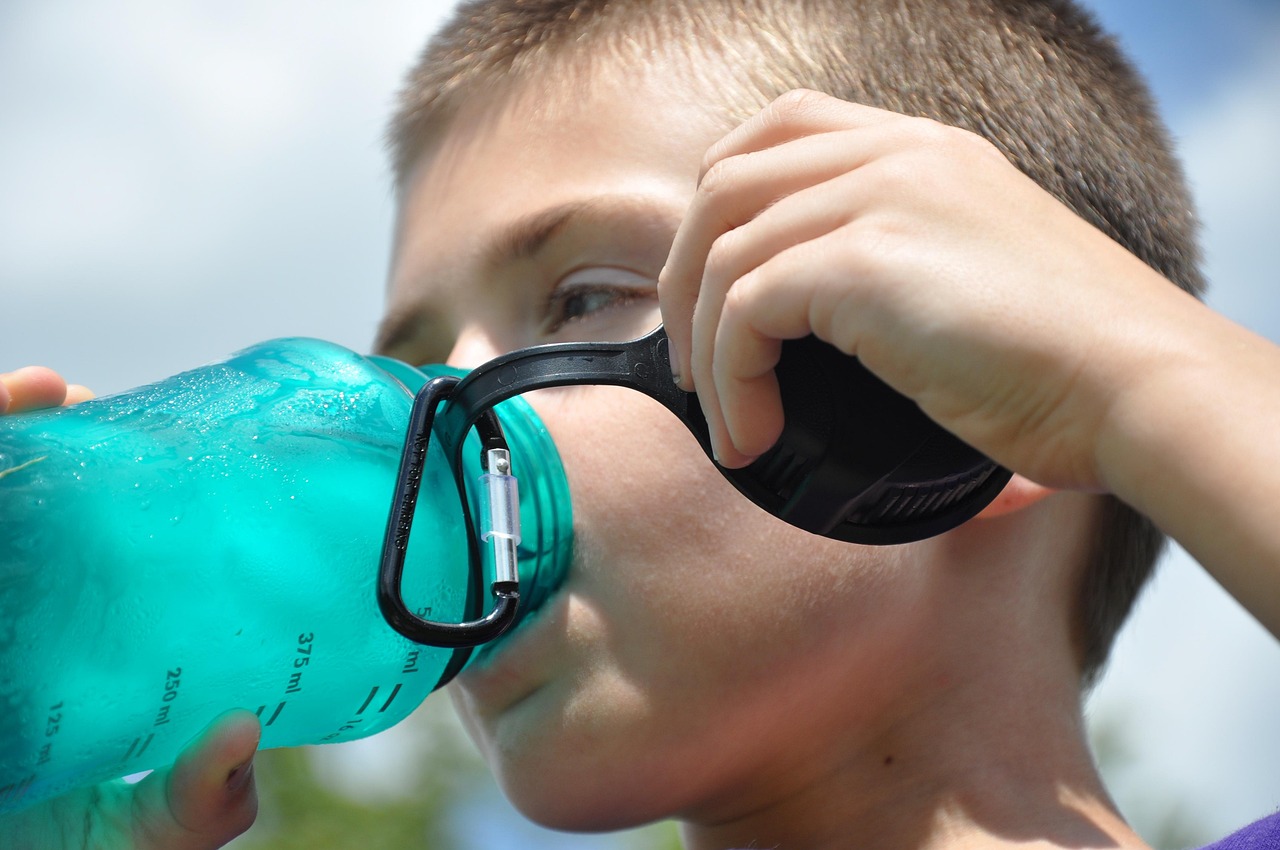

Hydration Strategies for Team Sports Athletes
Hydration is crucial for athletes involved in team sports due to the high demands placed on their bodies. Proper hydration helps maintain performance, prevents fatigue, and reduces the risk of heat-related illnesses during intense competitions. Athletes should establish a routine to ensure they are adequately hydrated before, during, and after games. Consuming fluids throughout the day rather than solely during practices and games is beneficial for optimal performance. Water is usually effective for low-intensity activities, while electrolyte-infused drinks can be helpful during prolonged or high-intensity exercise. Incorporating fruits with high water content, like watermelon and oranges, can also support hydration. Moreover, understanding individual sweat rates can aid in tailoring fluid intake to personal needs. This personalized approach to hydration can result in improved performance on the field. Keep in mind that hydration requirements may vary based on factors such as age, weight, and weather conditions. It is essential for athletes to monitor their hydration status regularly to optimize athletic performance. Remember that not only the quantity of fluids consumed matters but also the timing and type, which are significant factors for the athlete’s success.
During competitive events, athletes can face hydration challenges due to the high intensity of play, reducing their fluid intake during games. This could lead to dehydration, which can significantly impair performance. It’s vital for athletes to recognize early signs of dehydration, such as thirst and dry mouth, as these signals indicate a need for fluid replacement. In high-temperature conditions, it becomes even more essential to stay ahead of hydration needs. A pre-game hydration strategy should include drinking ample fluids 1-2 hours before commencing intense activity. Furthermore, during games, frequent intervals for hydration should be scheduled, aiming for about 7-10 ounces every 10-20 minutes. Post-game hydration is equally critical as muscle recovery can be enhanced by fluid replacement. Sports drinks that include electrolytes can assist in replenishing lost sodium and potassium. It’s crucial for athletes to establish a hydration plan specific to team dynamics and environmental conditions. A well-designed hydration strategy ensures that athletes remain in optimal condition to succeed. Therefore, understanding hydration needs is an ongoing process, requiring adjustments based on personal experiences and scientific research.
Building a Hydration Strategy
To build an effective hydration strategy, athletes can consult with coaches or sports nutritionists who can provide tailored advice based on their unique needs. They should begin by calculating their daily water intake based on body weight, activity level, and climate. An easy method to track hydration status is by monitoring urine color, as a pale shade indicates proper hydration while darker hues suggest a need for increased fluid intake. Moreover, including hydration reminders in training routines can be helpful. Athletes might also utilize wearable devices that monitor sweat rates and hydration levels. In addition, creating a system to remind themselves to drink can prove beneficial, especially during practices. Regularly scheduled water breaks must be integrated into training sessions to establish a habit. Furthermore, experimenting with different types of fluids may help athletes determine which options they prefer and find most energizing. Utilizing flavored waters or electrolyte combinations can make hydration more appealing. Above all, making hydration fun and enjoyable can encourage athletes to prioritize fluid intake consistently.
Hydration initiatives can also be supported by educating athletes on the consequences of dehydration. The impact of dehydration extends beyond performance dips; it can influence focus, coordination, and overall health. Athletes should engage in discussions about hydration strategies during training or team meetings. Utilizing visual aids, such as charts demonstrating the effects of different hydration levels on performance, can create awareness. Workshops or seminars led by specialists can also serve to motivate athletes to prioritize hydration. Team bonding exercises that incorporate hydration education can further entrench healthy practices. Coaches play a vital role in encouraging regular hydration as part of the overall training agenda. By incorporating hydration education as a fundamental element of sports programs, athletes will appreciate its importance. Additionally, athletes can share personal experiences regarding hydration and bonding over hydration games or challenges. This creates a strong community around hydration awareness among team members and solidifies healthy practices. As such, awareness should be prioritized so athletes understand hydration’s importance in the context of both performance and wellness.
Hydration Supplements and Their Usage
Depending on the length and intensity of the sport, many athletes may benefit from hydration supplements. These products are specifically designed to replenish electrolytes lost through sweat and ensure endurance during extensive activity. It’s essential to select hydration supplements wisely by reviewing ingredient lists for sodium, potassium, carbohydrates, and flavoring agents. Different supplements may suit varying needs; sports drinks tend to provide both electrolytes and carbohydrates, which assist energy recovery. When participating in prolonged team sports, particularly in hot conditions, utilizing these products can prevent cramping and fatigue. A research-backed approach can help identify which products may work best individually. Athletes should also consider their personal taste preferences, as enjoyable flavors can promote regular use during practices and games. However, moderation is key, as consuming excessive carbohydrates may lead to gastrointestinal distress. Always consider experimenting with different brands and flavors during training rather than on game days to avoid surprises. Ultimately, proper supplementation will enhance overall athletic performance and health, ensuring athletes remain at their best over the course of the season.
Furthermore, both hydration timing and post-exercise rehydration are crucial components of an effective hydration strategy. Athletes should aim for an immediate intake of fluids following exercise to replace lost fluids adequately. Mixing water with a post-workout recovery drink can significantly improve recovery rates by delivering vital nutrients and hydration simultaneously. Ideally, a combination of both fluids and quality food should be consumed within thirty minutes after exercise. Individuals can elevate this experience by incorporating hydrating foods, such as smoothies or fruit salads, alongside their chosen beverages. Another innovative approach athletes can try is to prepare hydration-focused snacks tailored to peak performance during games. Including Real hydrating choices not only assists in recovery but also fuels the body for upcoming training or matches. As games become more frequent, daily hydration practice becomes vital for sustained performance. Therefore, athletes should create a hydration schedule that includes breaks for consistent and adequate hydration, safeguarding overall health and athletic success. Coaches and team support staff can also facilitate hydration through regular check-ins on each athlete’s hydration progress.
Monitoring Hydration Progress
Monitoring hydration progress can be seamlessly incorporated into daily training routines, leading to increased athlete awareness of their hydration habits. Teams can establish group challenges aimed at encouraging consistent hydration practices. Tracking individual and collective hydration needs can foster a supportive environment, pushing teammates to hold each other accountable. Useful technologies such as hydration apps can be utilized to embark on this path, reminding athletes to drink fluids consistently. Coaches could implement hydration logs where athletes record their fluid consumption before, during, and after training sessions. This record may unveil patterns over a season and provide insights for adjustments based on performance fluctuations. Ultimately, the goal is for athletes to take ownership of their hydration strategy, becoming proactive rather than reactive as they learn to listen to their bodies. In order to encourage feedback, open discussions can be arranged for athletes to express their thoughts on hydration and its role in enhancing their game. Ultimately, fostering a culture of hydration within a team will result in improved athletic performance and more robust team camaraderie.
In conclusion, the critical role of hydration for team sports athletes cannot be overstated. Establishing a comprehensive hydration strategy, taking into account individual needs and team dynamics, is essential for maintaining optimal performance. From pre-game preparation to post-game recovery, hydration practices should be thoroughly integrated into daily routines. Educating athletes about the signs of dehydration and its effects on performance builds awareness that is vital for improved performance. Moreover, incorporating hydration challenges, open discussions, and effective supplementation can further enhance team performance. Athletes must embrace their individual hydration plans while supporting each other’s efforts, encouraging accountability and camaraderie. Establishing an environment where athletes can prioritize hydration will contribute to a significant boost in performance. Coaches must play a proactive role in reinforcing the significance of hydration within both training and competitive settings. By cultivating a culture of hydration, athletes are equipped to perform at their best and enjoy their sports experience fully. Ongoing hydration monitoring and adjustment are key, ensuring athletes stay in tune with their needs. Therefore, diligence with hydration is pivotal for achieving success in team sports and overall athlete well-being.