
Comparing the Latest Wearable Devices for Fitness Enthusiasts
In the rapidly evolving world of fitness technology, wearable tech has become essential. Health-conscious individuals increasingly rely on devices to track their fitness levels, monitor vital signs, and collect health data. With many brands available, it can be challenging to decide which wearable device fits best. Popular brands like Fitbit, Garmin, and Apple offer various models, each boasting unique features. Fitbit focuses on affordability and user-friendly interfaces, while Garmin tends to cater to serious athletes requiring advanced metrics. Lastly, Apple leverages its ecosystem to provide seamless integration with iPhones and other devices. As a consumer, understanding these differences will help you choose wisely.
Fitness Trackers vs. Smartwatches
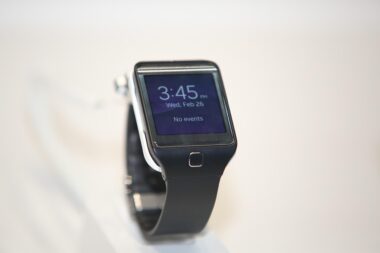
One primary distinction exists between fitness trackers and smartwatches. Fitness trackers focus primarily on health monitoring, like heart rate, sleep quality, and step count. They usually come with limited apps and features. Meanwhile, smartwatches include multiple functionalities, enabling users to receive texts, emails, and even stream music. Notably, many smartwatches now have robust fitness tracking capabilities, blurring the lines between the two categories. For those focused solely on fitness, a dedicated fitness tracker could be cost-effective. In contrast, users seeking multifunctionality may find smartwatches more appealing. Before selecting a device, clarify your needs and preferences to make an informed decision.
Battery life is another critical factor in choosing wearable devices. Fitness trackers generally outperform smartwatches, with some enabling weeks of use between charges. For instance, devices like the Fitbit Charge 5 can last up to seven days or more, based on usage. Conversely, many smartwatches require daily charging, especially when using features like GPS and heart monitoring. It becomes even more evident when considering multi-sport workouts. A smartwatch’s power drain during intense activities may hamper its desired performance. Hence, prioritize battery longevity, depending on your lifestyle and frequency of use. Opting for a device that matches your charging habits can enhance your experience.
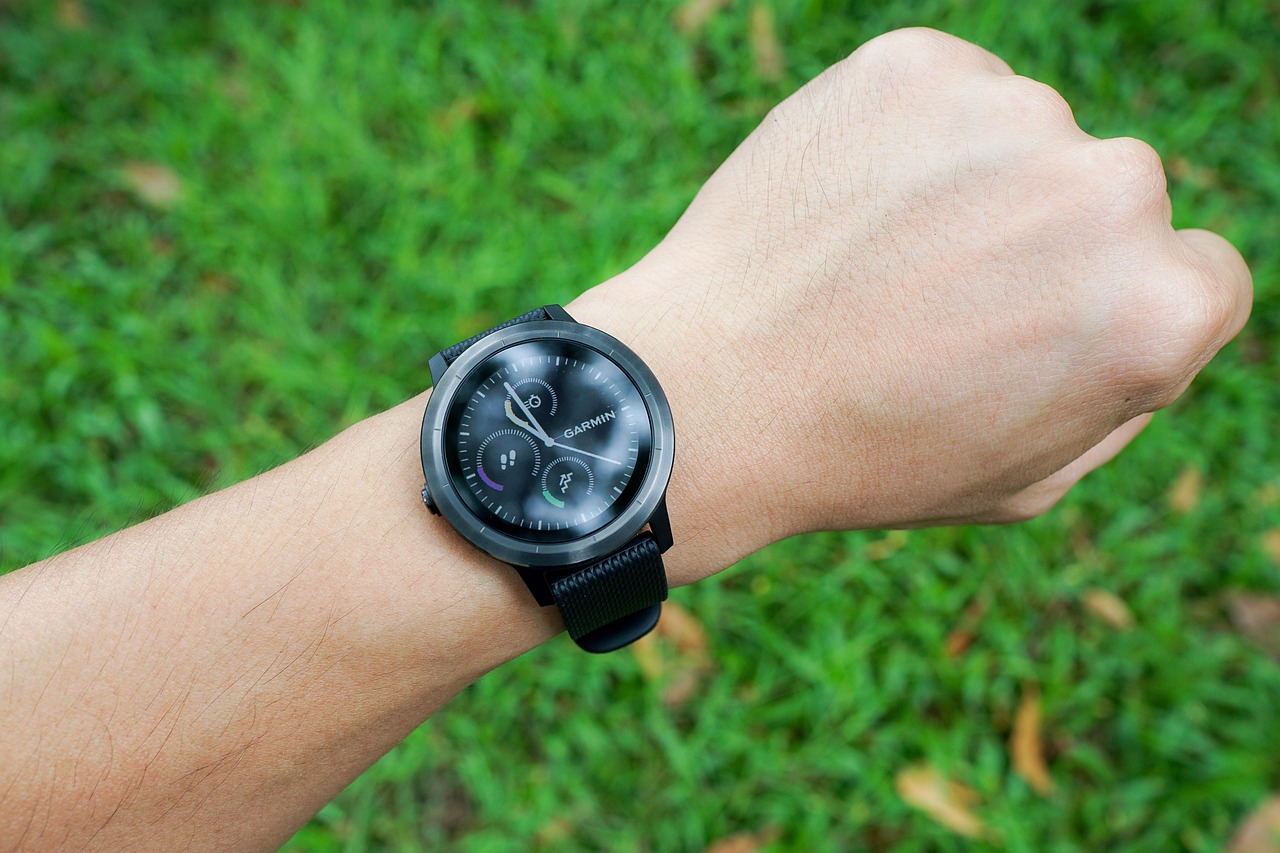
When comparing wearable fitness devices, another essential factor is accuracy. The precision of heart rate monitors, GPS tracking, and calorie calculations can significantly vary among brands and models. Brands like Garmin are often praised for their accuracy in tracking activities. This reliability can have profound implications in monitoring training progress or caloric intake. Additionally, consider user reviews and professional ratings when assessing accuracy. It’s wise to seek devices equipped with advanced sensors and algorithms to provide metrics closest to reality. In pursuit of optimal performance, choosing a device with superior accuracy can help guide effective fitness strategies for improved outcomes.
Design and Comfort
Design and comfort play vital roles in the user experience of wearable fitness tech. Many users wear these devices continuously throughout the day and night, making comfort essential. If a wearable is uncomfortable, users are less likely to wear it consistently, which can undermine the health tracking benefits. The materials used, along with the weight of the device, contribute to overall comfort. Finding a good fit is also crucial; many brands offer adjustable straps to ensure a more personalized fit. Additionally, consider style preferences, as well-designed wearables can be an aesthetic accessory. Choose wisely to enjoy long-term usage and adherence.
Integration with mobile apps is another advantage of wearable tech brands. Most devices link with their proprietary mobile applications, enabling users to monitor data easily. These apps often provide extensive insights into users’ health, nutrition, and sleep patterns. For instance, Fitbit’s app consolidates daily stats, enabling users to set goals and track progress. Furthermore, many brands foster community through challenges and social features, encouraging user engagement. Before committing to a brand, explore the app experience, and verify compatibility with other devices. A comprehensive app platform can elevate the usefulness of a wearable device significantly.
Price Considerations
Price is often a determining factor in the selection of wearable devices. The variety of models and functionalities broadens the price range significantly, allowing for diverse budget options. Basic fitness trackers may start at a more affordable price, ensuring accessibility for many consumers. In contrast, premium smartwatches can run into hundreds of dollars due to advanced features and sleek design. Additional costs may arise from subscriptions for premium services or additional features. Consider assessing what features are most critical for your fitness journey before making a significant investment. Balancing price and essential functionalities will yield the best value.
As the world of wearable fitness technology evolves, understanding the distinct features of various brands can empower consumers. This understanding allows users to make informed choices regarding which wearable devices align with their fitness goals. Be it focusing on accuracy, battery life, comfort, design, or necessary features, careful consideration each aspect creates a personalized selection that enhances the fitness journey. Explore various brands, compare models, and take your time in deciding. The right wearable can significantly contribute to a healthier lifestyle and optimize fitness experiences, ultimately guiding users toward meeting their health and fitness objectives effectively.