
Promoting Healthy Snacking for Fit Kids
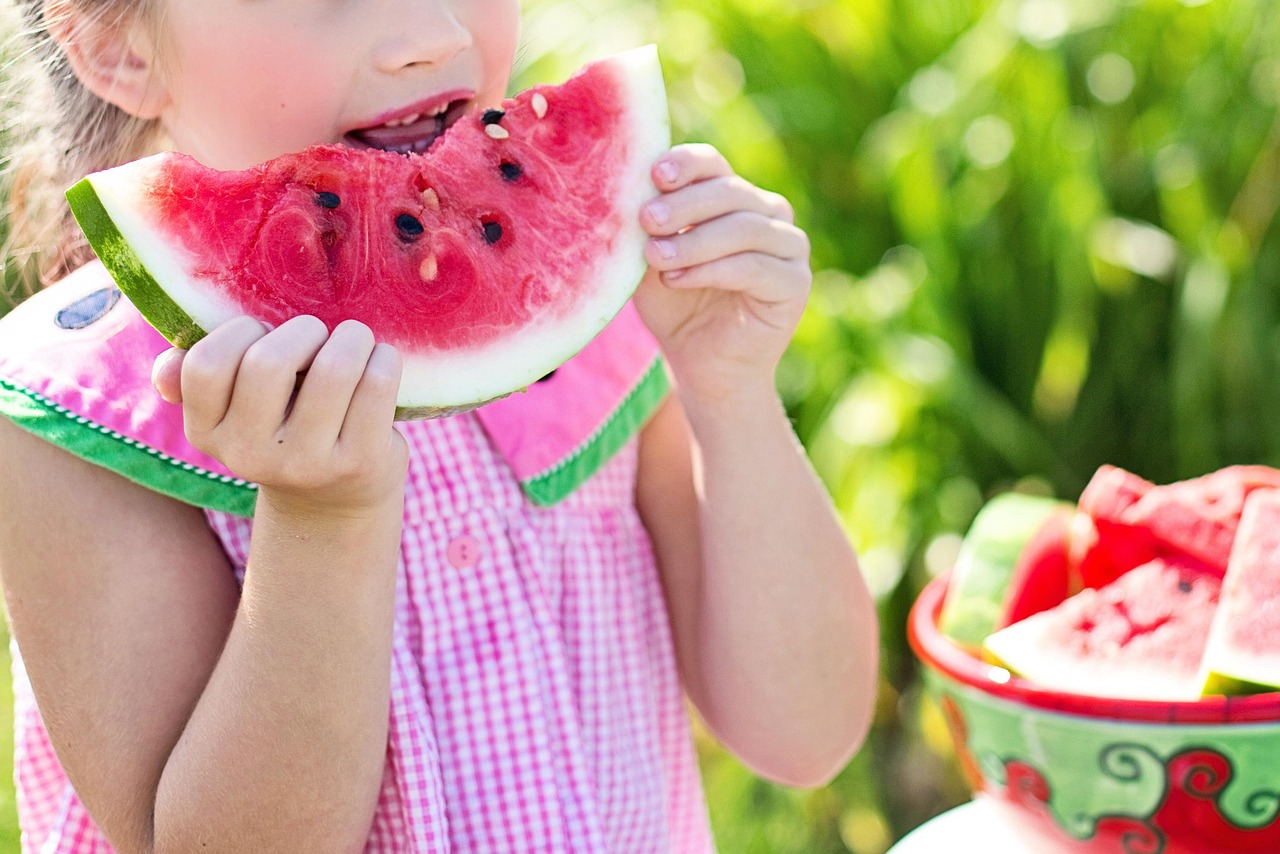
Healthy snacking is an essential part of a child’s daily nutrition, contributing to their overall growth and fitness. It is important to instill positive eating habits early on, as it shapes a child’s preferences toward food. Rather than resorting to processed snacks, encouraging kids to munch on nutritious options can significantly impact their energy levels and concentration. This approach also fosters a proper understanding of healthy choices that will benefit them throughout their lives. Parents are crucial in this process, acting as role models in making smart food selections. Letting children participate in choosing their snacks can make them feel empowered while also teaching them about food options. Moreover, involving kids in preparation can create fun learning experiences which reinforce healthy habits. By providing colorful fruits and vegetables, and appealing whole-grain options, children will find these snacks enjoyable. The objective is to create a balance of delicious flavors and healthy components to promote fitness. Moreover, avoiding excessive sugar in snacks will prevent energy crashes and bolster their active lifestyles. Ultimately, fostering healthy snacking habits will benefit kids physically and mentally in the long run.
Choosing Nutritious Options
When it comes to selecting healthy snacks for kids, variety is key. Different options stimulate children’s taste buds and keep snack time exciting. Excellent choices include fresh fruits, such as apples, bananas, or berries, which are naturally sweet and packed with vitamins. Additionally, veggies like carrots, cucumbers, or bell peppers can be fun to dip in hummus or yogurt-based dressings. These snacks not only satisfy hunger but also provide hydration, essential vitamins, and minerals. Whole grains are another nutritious option; consider whole-grain crackers with cheese or nut butter. These pairings create a great balance of protein, healthy fats, and fiber while providing lasting energy. Another excellent choice is yogurt or dairy substitutes like Greek yogurt, which can be mixed with fresh fruits for added flavor. It is crucial to minimize sugary products, which can lead to unhealthy cravings. Instead, opt for unsweetened applesauce or homemade trail mix, where kids can help create combinations of nuts, seeds, and dried fruits. Promoting diverse and colorful snack options teaches children that healthy eating can be enjoyable and satisfying.
Encouraging children to be involved in their food choices creates a sense of ownership in their dietary habits. Parents can organize fun shopping trips to local markets or grocery stores, allowing kids to pick out fruits and vegetables they find appealing. Utilize this opportunity to teach them about nutrition and the benefits of each food item. Engaging kids in meal prep is another fun approach; try setting up a mini kitchen session where they can assemble their snacks. This can range from making wraps with whole grain tortillas to creating fruit skewers with their favorite picks. Personalizing snacks with a touch of creativity, such as using shapes or colors, makes the process even more enjoyable. Educational resources can enhance this experience, with books or videos highlighting the significance of a balanced diet. To solidify these healthy habits, maintaining consistency is vital. Schedule regular snack times, emphasizing their role in a balanced eating regime, and encourage conversation about food and nutrition regularly, which helps children associate positive feelings with healthy habits.
Making Snacks Fun
Making healthy snacks enjoyable is essential to encourage children to indulge in nutritious choices. The concept of snack art can transform simple ingredients into exciting creations. By arranging fruits and veggies to resemble animals, faces, or other fun shapes, kids are more likely to be drawn to consuming them. Use cookie cutters for different shapes with whole grain bread or cheese, giving them a fun, visually appealing aspect. Implementing themes, such as color or favorite cartoon characters, can motivate kids to try new foods. Another fun idea is to create healthy snack kabobs by layering fruits, vegetables, and proteins like cheese or turkey. This interactive way of snacking promotes excitement and involvement in dietary decisions. Incorporating games, such as taste tests or cooking challenges, further reinforces healthy snacking habits while enhancing family togetherness. Additionally, reward your child for trying new healthy snacks, whether by stickers or a points system, fostering a positive association with nutritious foods. The more enjoyable the experience around healthy snacking, the more likely they will choose those options as they grow. Engaging in these activities can instill lifelong healthy habits.
It’s vital to create an environment that supports healthy snacking at home. This means stocking your pantry and fridge with healthy choices instead of sugary alternatives. Keeping fruits and vegetables on the counter makes them the first thing kids see when they walk into the kitchen. Also, consider prepping snacks ahead of time, like washing and cutting veggies or arranging fruit cups, to make healthy options readily available. Parents should proactively discuss snack time decisions and the importance of choosing healthy foods. Involving the entire family makes it a fun activity rather than a burden. Moreover, setting boundaries on when and where to snack helps children understand the importance of moderation. Establishing rules for snack time can prevent mindless eating and instead encourage mindful consumption. When children realize they can enjoy their treats in a set manner, they are less likely to overindulge. Additionally, regular family meals reinforce healthy eating patterns. During these moments, encourage children to appreciate diverse flavors and ingredients while observing healthy practices among family members. This can lead to better diets and even improved family bonding.
The Importance of Hydration
Hydration plays a significant role in promoting a healthy lifestyle for children, especially when they’re active. Encourage kids to drink water throughout the day, as it aids digestion and enhances overall physical performance. Teach them to identify thirst as a sign to hydrate. Many kids may often overlook drinking, especially when engrossed in play, so having water readily available is essential. Providing fun water bottles or infusing water with fruits like lemon or strawberries engages their interest in staying hydrated. Theme-based hydration can create exciting experiences around drinking water, such as using their favorite characters or fun designs. In addition, limiting sugary beverages like sodas and energy drinks is important, as these can lead to unhealthy weight gain and sugary cravings. Instead, present water in appealing ways; try creating healthy smoothies that include fruits, vegetables, and yogurt for added nutrition. It’s crucial to educate children about making healthier beverage choices, reinforcing the significance of hydration in both short and long-term health. By establishing these habits, children will carry the importance of hydration into adulthood, ultimately benefitting their well-being and fitness.
Promoting the importance of healthy snacking within schools can enhance children’s nutrition knowledge and choices. Schools play a crucial role in shaping dietary habits, thus it’s imperative to support healthy food initiatives. Educating students on the fundamentals of nutrition can empower them to make informed decisions in their snacking habits. Schools can introduce health programs that present fun activities regarding nutritious foods while allowing students to explore different ingredients. Establishing gardens within schools is another vital initiative, providing experiential learning about where food comes from. Allowing kids to grow their fruits and vegetables can spark interest in healthy eating. Furthermore, schools can work alongside local farmers to provide fresh produce for school lunches. Implementing these initiatives cultivates a supportive environment where healthy choices are promoted and accessible. Moreover, collaborating with parents to encourage healthy snacks at school can reinforce these habits further. Organizing events like health fairs or workshops can also engage families in the mission of promoting healthy snacking. By integrating nutrition education and accessibility within school environments, children can acquire the skills necessary to maintain a healthy lifestyle.
In summary, promoting healthy snacking habits can significantly impact the overall well-being of kids. When children are educated about nutritious options, they’re motivated to make smart food choices. Encouraging creativity, involvement in their snack selection, and making health a fun adventure will ensure longevity in healthy habits. With the rightful support from parents and schools, kids can flourish by embracing the importance of eating well. Taking the time to educate them creates a foundation they can rely on as they grow and transition into adulthood. When children are provided with a variety of options and engaging experiences related to food, they can develop a deeper appreciation for healthy choices. Moreover, hydrating properly becomes second nature when children understand its importance. Overall, a focus on healthy snacking is critical in shaping a healthier future for kids. As little champions of nutrition, children can start making a difference in their lives and in their communities by adopting healthy habits. Thus, recognizing the significance of their choices early sets the stage for a lifetime of wellness and vitality.