
Emergency Preparedness for At-Home Workouts
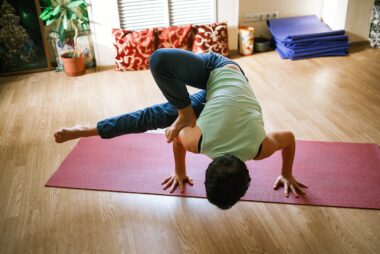
When engaging in at-home workouts, it’s essential to ensure your environment is safe. Your workout space should be free from clutter to prevent accidents during exercise. Make sure that the flooring is stable and grip-friendly, as a slip can lead to severe injuries. Consider the placement of furniture, equipment, and any hard surfaces. Keep your electronics, such as phones, close to hand but safely positioned to avoid tripping over charging cables. Additionally, ensure there is ample lighting to prevent missteps. If possible, perform an assessment of your surroundings to identify potential hazards. Check that nothing obstructs your path, and avoid using valuable items as makeshift weights. Furthermore, secure any area rugs so they do not slide underfoot while you move. Lastly, consider potential external factors, like pets or children, who may disrupt your concentration and cause accidents. Always be mindful of your environment as it significantly impacts the safety of your workout routine. Taking the time to prepare properly enhances your ability to focus on your workout and achieve your fitness goals without unnecessary risks.
A first aid kit is crucial for emergency preparedness during at-home workouts. Your kit should include essentials like band-aids, antiseptic wipes, and adhesive tape. Don’t forget to add gauze pads and scissors to help dress wounds or handle minor injuries. If you’re prone to muscle strains, consider having ice packs readily available for immediate treatment following any injuries. Knowing how to use these items effectively is equally important; familiarize yourself with their roles. Notably, understanding when to seek professional medical assistance is vital. Include a list of emergency contacts in your kit so you can act quickly if necessary. It’s also wise to be aware of basic first aid procedures, which can guide you during emergencies. There are many resources available, including online courses and local workshops to improve your knowledge. This preparedness will empower you to respond swiftly to injuries that may arise, ensuring fewer disruptions in your workout regime. Investing time in building a well-equipped first aid kit will give you peace of mind to exercise confidently, knowing you’re ready to address any potential incidents.
Creating an Emergency Plan
Establishing an emergency plan for your at-home workout routine is essential for safety. Start by identifying potential risks in your workout environment. For instance, consider what you would do if you encountered an injury or if a natural disaster occurred while exercising. Develop a clear plan for such scenarios, including steps to take for minor injuries and a more extensive plan for emergencies like fires or earthquakes. Furthermore, coordinate with family members or roommates so they know what your plans are during workouts. Agree on a communication plan; if you need assistance, how should you signal for help? You might also consider having a buddy system in place for certain exercises, especially those that may be more prone to injury. Designate a specific point person as a contact for emergencies and ensure they keep their phone nearby during your workouts. It’s crucial to review and rehearse your emergency plan regularly. A well-practiced plan will help everyone remain calm and act quickly in case an emergency arises, minimizing potential harm.
Proper hydration is vital for safety during at-home workouts, especially in emergencies. Always keep a water bottle nearby to stay hydrated throughout your workout routine. Dehydration can lead to dizziness, fatigue, and even more severe health risks, significantly increasing the chance of an accident. Knowing the signs of dehydration can also help you prevent negative outcomes, such as headache, dark urine, and grogginess. Drink water before, during, and after your workout. Additionally, consider incorporating electrolyte drinks for longer, more intense workouts, as these can aid with fluid balance in your body. If working out at high intensity, ensure you have a hydration strategy in place that allows for regular sips of water. Remember, the climate can impact hydration needs; warmer temperatures call for increased fluid intake. If you’re working in a small space, set reminders to hydrate regularly so you remain alert and focused during exercises. Ultimately, maintaining hydration is a critical part of your emergency preparedness, ensuring you have the energy and stamina to perform workouts safely and effectively.
Assessing Your Fitness Level
Assessing your fitness level is instrumental in ensuring you workout safely at home. Understanding your limits can prevent injuries that may occur from over-exerting yourself. Before starting any workout routine, take the time to evaluate your current fitness level. Consider factors such as your strength, flexibility, and endurance. Use a fitness assessment tool or consult with a fitness professional to gain insights into your abilities and areas needing improvement. Creating a tailored workout plan based on your assessment can help you choose appropriate exercises to minimize risk. It is essential to start with exercises matched to your skill level and gradually increase the intensity as you build strength. Thus, listen to your body; if something does not feel right, don’t push through the pain. Record your progress so that you can adjust your workouts accordingly. Moreover, avoid comparing yourself to others and remember that everyone’s fitness journey is unique. Taking the time to assess your fitness level ensures you remain focused on personal improvement while exercising safely at home.
Staying informed about any health conditions is crucial for your safety in at-home workout routines. Always be aware of any pre-existing conditions, such as heart disease, asthma, or arthritis, that may affect your workouts. When planning your fitness routine, you should consult with a healthcare professional if any of these apply to you. They can provide valuable insights and recommend modifications to exercises that might exacerbate your condition. It’s also advisable to keep essential medications within reach while exercising, particularly if you have history of conditions needing urgent intervention. Utilizing tactics such as breath control techniques or modifying exercises can help you manage symptoms effectively. Additionally, always inform those living with you about your conditions so they can assist in case of an emergency. It is essential that you understand your body and be prepared to adapt your exercise plan according to how you feel. This approach to health awareness will empower you to work towards your fitness goals confidently while prioritizing your safety during at-home workouts.
Conclusion and Encouragement
In conclusion, emergency preparedness for at-home workouts is worth the effort. Prioritize creating a safe workout space by removing potential hazards and ensuring your area is well-lit and organized. Equip yourself with a first aid kit tailored to your needs, and clearly outline an emergency plan for various scenarios. Remember the importance of hydration and continually assess your fitness level to determine the best exercises for you. Stay informed about any health conditions and adapt your workouts accordingly, as this is crucial for maintaining safety. By taking these steps, you can create a workout environment that empowers you to exercise with confidence and resilience. Fitness should be enjoyable, and when you are adequately prepared for the unexpected, you can focus more on enhancing your wellbeing. Don’t hesitate to reach out for support from communities or professional trainers as you build your at-home workout activities. Embrace the journey to achieve your fitness goals — being prepared doesn’t only protect you from harm; it enhances the pursuit of your personal health and fitness ambitions!
Keep in mind that being proactive about your safety can transform your at-home workout experiences. With a well-thought-out emergency preparedness plan, you are setting yourself up for success as you continue your fitness journey. Implementing these practices will bring peace of mind, allowing you to concentrate on performing your exercises effectively. Safety and health should always come first, so make adjustments whenever necessary to ensure you’re always in the best condition to work out. Stay connected with others who share your passion for fitness, as they can provide motivation and support. It’s important to acknowledge that exercise has numerous benefits, including improving mood and reducing stress. Incorporating safety measures while you stay active allows you to enjoy these benefits without fear. Celebrate any achievements along the way, whether big or small, as they contribute to your overall progress. Engage with your surrounding community to share tips and best practices that enhance safety during workouts. Following these guidelines will not only help you remain safe but will also enrich your experience, making fitness a rewarding part of your home life.