
How to Use Your Fitness Tracker to Improve Running Performance
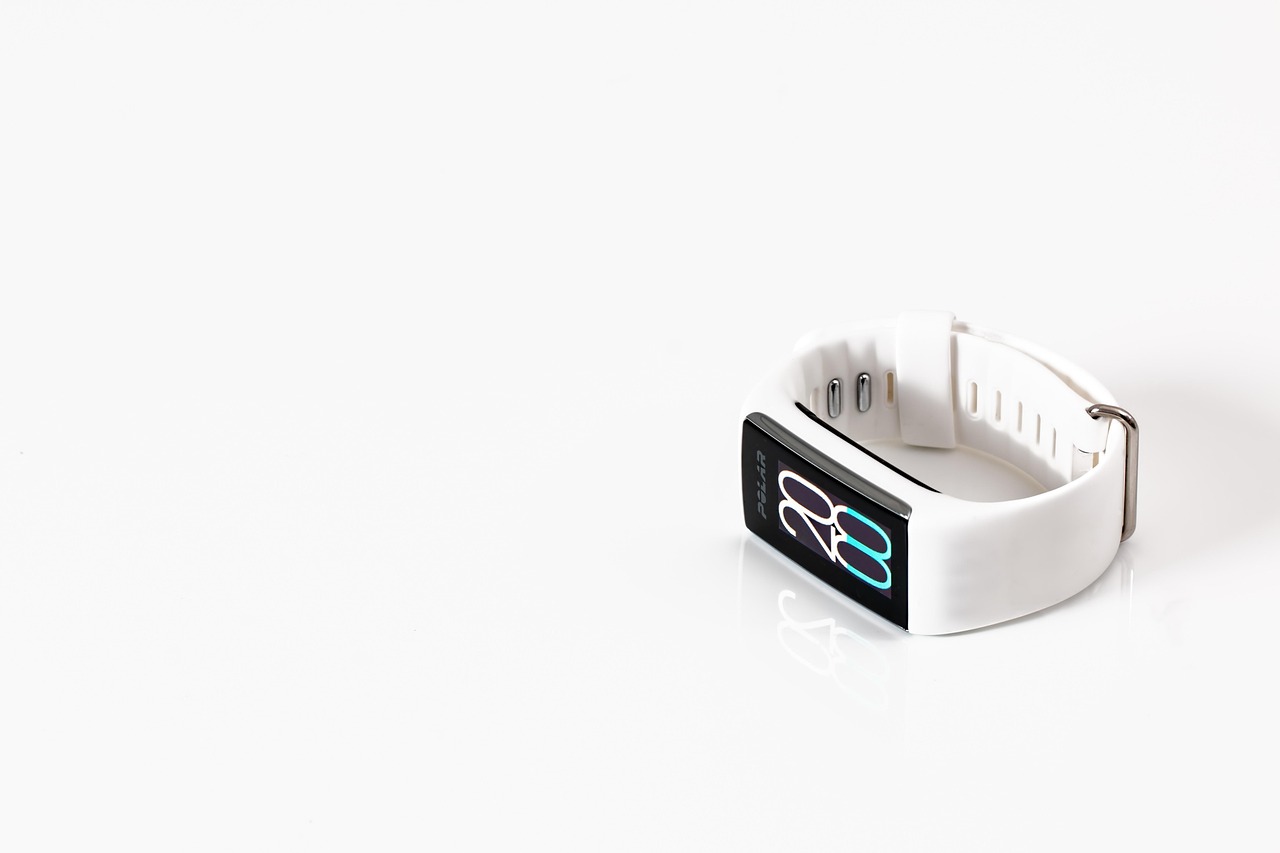
Using a fitness tracker can significantly enhance your running performance. Fitness wearables, especially designed for women, offer numerous features that can help analyze your workouts in depth. Primarily, the GPS tracking capability provides accurate distance measurements that guide your training routines. Moreover, heart rate monitoring allows you to understand how your body responds to different running intensities. By keeping track of your heart rate zones, you can make adjustments to optimize your efficiency and endurance. On top of that, many fitness trackers come equipped with tools for tracking calories burned, enabling you to measure your energy expenditure. Monitoring calorie burn can help you understand your body’s needs for better recovery and nutrition. By integrating these insights into your running regimen, you’re likely to see improvements. Also, consider using the app associated with your fitness wearable, as it can help set goals that keep you motivated. Having a visual representation of progress can further inspire you to push harder during your training sessions. In summary, fitness wearables can provide you with essential data, enhancing your overall running performance through informed decisions.
Another integral aspect of utilizing your fitness tracker effectively lies in understanding its features. Many models feature customizable alerts, which can remind you to maintain your pace or hydrate during longer runs. Understanding what works best for your unique running style is vital. Some fitness trackers are equipped with guided workouts specifically designed for runners. They provide audio cues, such as lap timing or pace updates, allowing you to focus solely on your performance. Utilizing these features can help you run more efficiently, potentially reducing fatigue and enhancing speed. Furthermore, tracking your running cadence can also play a crucial role. Higher cadence levels indicate quicker strides, which contribute to speed and decrease injury risks. Your fitness tracker can calculate this data, allowing you to work on achieving an optimal cadence. Additionally, you may synchronize your tracker with music applications, creating an engaging running environment that aids motivation. Music often enhances performance, making the running experience more enjoyable. By seamlessly integrating technology into your workouts, you can transform your running sessions into productive endeavors, ultimately elevating your fitness journey.
Tracking Progress Over Time
Consistency is key when aiming for improvement. Regularly monitoring your running performance through your fitness tracker can offer valuable insights over time. Most devices provide historical data on your runs, allowing easy comparison of your performances. Observing trends can help identify strengths and weaknesses in your running technique. Additionally, you can use your fitness wearables to monitor your recovery. Studies have demonstrated that adequate recovery contributes to improved overall performance. Some trackers assess sleep patterns and suggest periods to ensure you are well-rested for your runs. Drastically altering training regimens without proper recovery can lead to burnout and injuries, so tracking sleep can be beneficial. Moreover, the integration of community features on many tracker apps allows you to engage with fellow runners. Forming connections and participating in challenges can stimulate accountability and enhance motivation. Weekly or monthly goals can also provide benchmarks to maintain progress, which creates a structured approach to improvement. Your tracker’s data helps tailor these goals for optimal results, making it a vital tool for committed athletes. In the long run, leveraging data can elevate your performance beyond expectations.
Nutrition is another critical component of running performance that can be enhanced through the use of fitness trackers. With many devices offering calorie tracking, it can create awareness of your nutritional intake versus your energy expenditure. This approach allows you to adjust your diet based on your workout intensity and goals. A balanced diet promotes optimal performance, and knowing what you consume can help in fine-tuning your intake. Furthermore, hydration levels are crucial while running. Some fitness wearables provide reminders to ensure that you stay adequately hydrated throughout your training. Dehydration can severely impact performance; therefore, building a habit of mindfulness about fluid intake can be incredibly advantageous. Additionally, food diary features available in many apps help in tracking daily food consumption. This holistic approach ensures that your meals are supportive of your running goals. Similarly, keeping an eye on vitamin and mineral intake is equally important, as it provides the necessary building blocks for muscle recovery and growth. In conclusion, integrating nutrition tracking into your fitness regime can be transformative, offering a comprehensive path to improving running performance.
Setting Realistic Goals with Data
To maximize your fitness tracker’s effectiveness, setting realistic goals based on the collected data is paramount. Identifying benchmarks from past performances gives you a clearer picture of achievable targets. For instance, if your tracker indicates that you consistently run a certain distance in a specific time, you can set incremental goals, such as improving your time by a few minutes over a month. Small, achievable milestones keep you motivated and less likely to feel overwhelmed. Moreover, using the feature that identifies your personal best times can help track your improvement, serving as evidence of your hard work. This motivation can be further enhanced with positive reinforcement techniques. Reward yourself when you reach these targets, creating a cycle of healthy habits and goals. Also, embrace the possibility of setbacks as part of the journey. Analysis of data following a less-than-stellar run can guide your training adjustments. The insights gathered through fitness tracking empower you to cultivate a productive running strategy tailored specifically to your needs. Consequently, using data from your wearable device will streamline your training process and support remarkable results.
Lastly, one of the greatest benefits of fitness wearables is their contribution to building a connected fitness lifestyle. Many devices allow you to sync with other platforms, such as social media or fitness apps. These connections foster a sense of community, enabling you to share achievements and seek encouragement from others. The power of community support cannot be understated; it can drive motivation, especially during challenging moments. Moreover, interactivity provided by various apps encourages participation in virtual challenges or competitions. Competing with fellow users may inspire you to push boundaries, discover new training tactics, or simply have fun while working out. Additionally, your fitness tracker can routinely provide insights tailored to your overall health goals, like suggesting cross-training activities or recovery techniques. This ecosystem of support and resources creates a multifaceted approach to fitness. By seeking connections and resources from your wearable device, you set a foundation for ongoing growth. Thus, the integration of a fitness tracker into your routine is not merely about monitoring runs; it’s about fostering a more holistic fitness journey that evolves with you in pursuit of your goals.
Conclusion
As this discussion illustrates, using a fitness tracker effectively can considerably enhance your running performance. Ultimately, it’s about leveraging technology to inform decisions beneficial to your training. Embracing features like GPS tracking, heart rate monitoring, and nutritional awareness paves the way for greater efficiency in your running journey. Intentional goals grounded in data analysis can create realistic pathways toward improvement. Additional reminders for hydration and rest help strengthen your overall routine and promote optimal performance. Incorporating a sense of community through shared experiences fosters even greater motivation. Together, these elements contribute to elevating your capabilities as a runner, leading to direct enhancements in running speed, distance covered, and overall enjoyment of the activity. Remember that fitness tracking is a tool, not a crutch; your dedication and mindset ultimately drive your progress. Take the plunge into the enhanced world of fitness technology and embed these practices into your training. In doing so, enjoy the rewards earned through hard work and innovation. Your fitness wearable is an ally in achieving your goals and a trusted guide to continuous advancement in running performance.