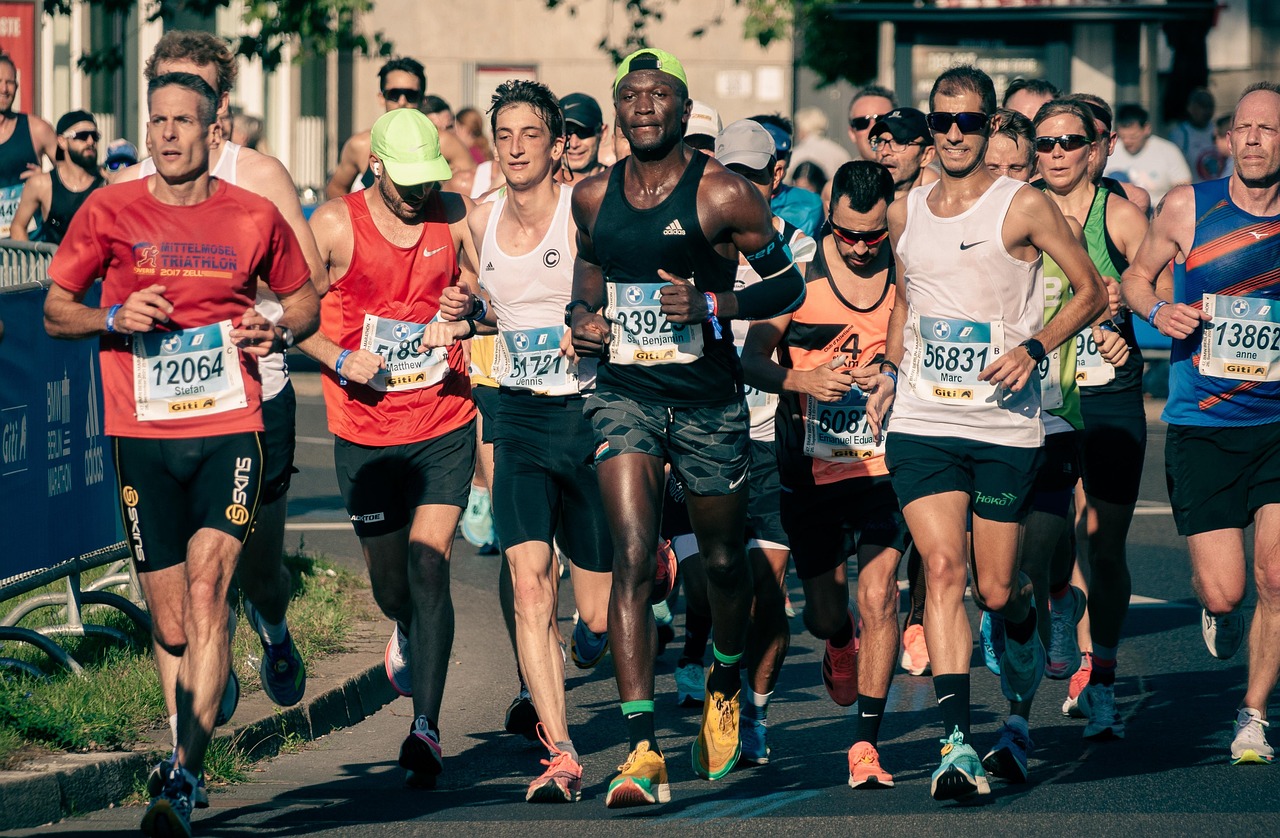

Adaptations to Heat Training for Endurance Athletes
Heat training is essential for endurance athletes aiming to enhance their performance in warmer conditions. When exposed to high temperatures, the body undergoes various adaptations that can significantly impact athletic capacity. One major adaptation involves improved thermoregulation. Athletes better manage their body temperature through advanced sweating techniques and increased skin blood flow. Furthermore, heat acclimatization leads to increased plasma volume, which enhances cardiovascular stability. As plasma volume increases, cardiac output improves, thus facilitating superior oxygen delivery to working muscles. This effect not only aids in performance under heat stress but also during cooler conditions. It’s vital to approach heat training gradually to optimize these adaptations. Athletes should incorporate sessions in hot environments progressively, allowing for better acclimatization. Individual responses to training can vary greatly, necessitating tailored approaches to maximize benefits while minimizing risks of heat-related illnesses. Finally, hydration strategies also play a crucial role in heat training effectiveness, helping athletes to maintain performance during prolonged workouts or racing activities in higher temperatures.
Enhanced heat tolerance is an additional benefit realized through consistent heat exposure. This improved tolerance helps athletes manage higher levels of stress during competition. Body chemistry shifts to accommodate the heat, resulting in altered electrolyte balance and more efficient sweating. Sweltering conditions often result in heavier sweating, which produces more dilute sweat, thus conserving essential sodium and chloride ions. Endurance athletes can train their bodies to handle these changes effectively, allowing them to perform optimally in challenging conditions. Additionally, heat training has a psychological component; athletes may feel more resilient mentally after adapting to competition in challenging environments. This mental toughness not only plays a vital role during events but also aids in training, boosting overall morale. Furthermore, adopting heat training can be beneficial across diverse sports, enabling enhanced recovery and resilience. Athletes participating in cycling, running, and triathlons can all integrate these principles. Ultimately, optimizing training in heat can yield profound benefits that pay dividends long after the exposure period concludes, bolstering overall performance results.
The Role of Hydration
Hydration remains a critical component in the heat training equation, influencing performance, safety, and overall success. While engaging in prolonged exercise in high temperatures, maintaining adequate fluid levels directly correlates with endurance and power output. Water and electrolyte balance within the body ensures that athletes can sustain energy levels while combating fatigue. An emphasis on proper pre-hydration is crucial; athletes should begin workouts fully hydrated to prevent early performance declines. During workouts, including electrolyte-infused drinks can bolster replenishment. The body’s need for sodium increases dramatically in heat, as more sweat is produced. To optimize hydration efforts, athletes may use both thirst and measurable indicators of hydration status. Consistently monitoring urine color can help athletes gauge hydration levels efficiently. Additionally, establishing a hydration plan based on individual sweat rates fosters better performance outcomes. After workouts, it’s essential to replenish lost fluids using a combination of water and electrolyte-rich recovery drinks. Ensuring this balance allows for quicker recovery times and aids in preparation for subsequent workouts. Therefore, effective hydration strategies are integral to heat training adaptation.
Another notable effect of heat acclimatization is the impact on perceived exertion. Research shows that athletes experience significantly lower rates of perceived exertion when trained in heated environments. This means they can sustain effort levels even when exercising under adverse conditions. Subsequently, athletes who adapt efficiently report feeling less physically stressed when competing in warmer temperatures. Consequently, workouts become more manageable and enjoyable, which can lead to improved consistency in training regimes. There is also a broader physiological underpinning with respect to heart rate response during elevated thermal loads. Acclimatized athletes can maintain lower heart rates compared to non-acclimatized counterparts, signifying efficient cardiovascular performance. Developing this type of adaptation can be pivotal during races, where heart rate levels directly influence pace and decision-making. Moreover, athletes often benefit from altering their pacing strategies in hot conditions as they adapt. With practice and experience, determining optimal pacing becomes easier, enhancing confidence in race situations. As athletes hone their skills in heat, they organically improve performance metrics across the board.
Recovery in Heat
Recovery following heat training sessions must also be approached strategically. Athletes need to recognize that recovery isn’t only physical but also includes elements of hydration, nutrition, and rest. After intense workouts, replenishing lost fluids plays a crucial role in successful recovery. Moreover, consideration should also be given to the replenishment of electrolytes lost through sweat during workouts. Consuming recovery meals rich in carbohydrates and proteins is paramount as they support muscle recovery and aid in restoring glycogen stores. Additionally, post-exercise cooling methods like cold showers or ice baths can help athletes lower body temperature and expedite recovery. Actively cooling down post-workout enhances recovery and prepares the body for subsequent sessions. Other techniques like compression garments may also assist in facilitating recovery through improved blood flow. Sleeping adequately each night cannot be understated as it empowers the body in its recovery process, allowing for adaptations to set in for future training sessions. Athletes who prioritize their recovery routine can expect extraordinary benefits from their heat training adaptations during competitions.
The psychological benefits of heat training should not be overlooked. Building mental fortitude is critical for endurance athletes, especially when competing under challenging conditions. Athletes can develop positive coping strategies that help navigate the intense stress experienced during races. Practicing self-talk, visualization techniques, and other mental skills during training can facilitate a smoother adaptation to racing environments. Emphasizing the significance of mental preparation becomes particularly relevant in uncertain weather conditions, where performances can greatly fluctuate. Adopting pre-event rituals that include preparing mentally for the heat can also mitigate anxiety and elevate performance levels. Strong mental resilience allows athletes to push through discomfort and maintain focus during long races in high temperatures. Furthermore, these psychological components often create lasting habits, enabling athletes to develop a positive association with high heat situations. Training in demanding conditions means forging self-belief and confidence from experience, illustrating why a well-rounded approach to heat training can contribute significantly to success. Mental toughness becomes just as essential as physical adaptations during competitions.
Conclusion on Heat Training
Heat adaptation plays an invaluable role in the training of endurance athletes. It encompasses a spectrum of physiological and psychological benefits that can significantly enhance overall performance. By incorporating heat training strategies, athletes not only improve their body’s ability to tolerate and perform under stress but develop critical mental skills as well. Understanding the impact of hydration, recovery, and psychological factors is vital for making the most of this training strategy. Athletes should approach heat training methodically, adhering to personalized plans while balancing intensity and recovery. Over time, athletes experience transformative adaptations that produce substantial gains in both competitive and training environments. An effective heat training program fosters resilience and primes athletes for success in events where heat may otherwise impose limitations. With meticulous attention to hydration and recovery practices, combined with the right mindset, athletes can optimize their performance in high-temperature scenarios. The intersection of these elements culminates in profound long-term adaptations, reinforcing that dedicated preparation while training in heat is essential for thriving as elite endurance athletes.
With the numerous physiological adaptations associated with heat training, the opportunities for success become limitless for athletes committed to enhancing their endurance. As more endurance enthusiasts embrace heat training techniques, they continue to discover how these adaptations translate to real-world performance benefits. The science supporting heat training speaks volumes, encouraging athletes to prioritize this area to reach their peak performance levels. Effective implementation requires determination and a passion for realizing excellence, making it vital for athletes to embrace these methods. With ongoing research into heat tolerance and adaptation, the future of endurance training looks bright. Equipped with the right knowledge and tools, athletes can prepare for the temperatures they will face, both in training and during events. Overall, heat training creates opportunities, allowing athletes to thrive when conditions become tough. This journey of adaptation not only enhances performance but shapes the athletic experience, enshrining the importance of resilience within sports culture.