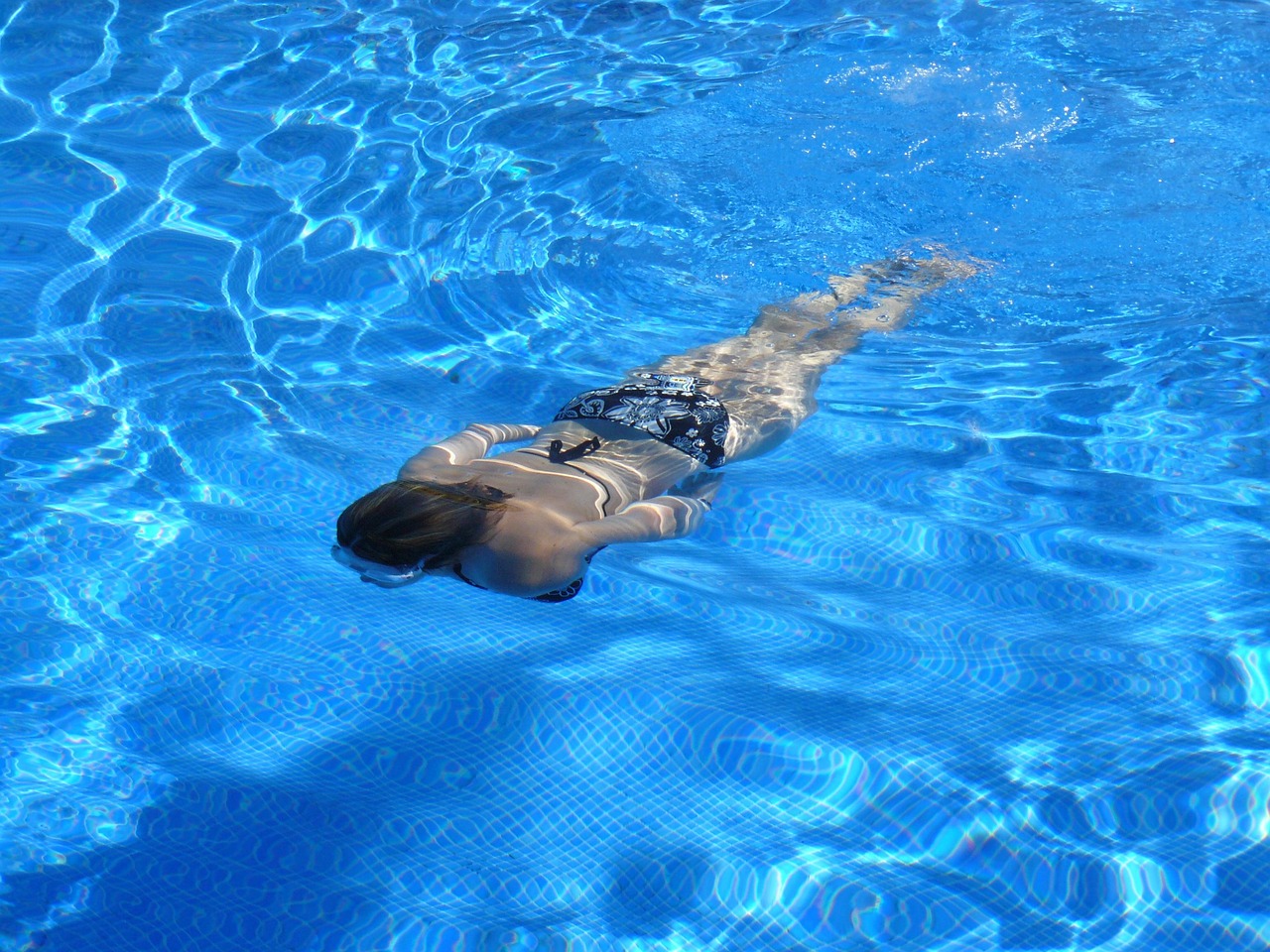

Incorporating Breath Control Workouts in the Pool for Triathletes
Triathletes often face various challenges when attempting to improve their swimming efficiency. One of the most crucial aspects of performance is the ability to control breath underwater. Breath control workouts in the pool can significantly enhance your swimming stamina and speed, especially during longer swim segments. By focusing on breath control, triathletes not only improve their endurance but also learn to maintain a streamlined position in the water. This skill is essential as it affects overall body position, drag, and energy conservation while swimming. Controlled breathing helps triathletes manage their heart rate, reduces anxiety, and enhances overall efficiency. To integrate breath control into swim training, athletes can practice hypoxic swimming, which involves reducing the frequency of breaths taken during sets. This method builds tolerance to carbon dioxide and improves oxygen efficiency. Additionally, drills that focus on bilateral breathing can develop symmetry in strokes, allowing for better balance and technique in the water. Incorporating these strategies can lead to more successful swim performances, contributing positively to overall triathlon outcomes, ultimately making each athlete not only faster but also stronger in their transitions and finishes.
In addition to hypoxic swimming, triathletes can benefit from interval training focused on breath control. Structured sets that vary in intensity and distance can enhance breath-holding capabilities and promote aerobic conditioning. For instance, performing shorter sprints of 25 meters with restricted breathing for each lap can help develop better breath control. Athletes may also implement longer sets, such as 200 meters, where they breathe every three strokes, gradually increasing it to every five or even seven strokes as they progress. This promotes a sense of rhythm and timing, essential for race conditions. Another effective strategy involves incorporating specific drills that emphasize breath control and body position. A popular drill is the “catch-up drill,” where athletes concentrate on extending the arm in front while minimizing breaths. Moreover, utilizing fins can enhance awareness of body position in the water and allow athletes to focus specifically on breathing without overly taxing their entire energy system. By consistently incorporating these methods, triathletes can refine their swimming techniques and boost confidence when they reach the open water.
Understanding the Importance of Breath Control
Understanding the significance of breath control can be pivotal for triathletes. In races, effective breath management ensures that swimmers maintain a steady pace, conserving energy for the bike and run portions. As athletes train, they often neglect the necessity of breath control, leading to diminished performance during races. Breath control influences multiple aspects of swimming, including heart rate, anxiety levels, and muscular endurance. Effective techniques here can determine the athlete’s performance ability under pressure. In competitive swimming, managing how you breathe can improve stroke efficiency and navigate through race strategies. Practical tips involve focusing on mindful breathing patterns, where the count of strokes taken in between breaths can be specifically programmed. As athletes become more adept at controlling their breathing, they can improve their overall skill set in the water. This enhanced control translates into achieving optimal stroke mechanics and minimizing drag. Triathletes should remember that mastering breath control is not just about recovery; it involves developing a deeper connection between breathing patterns and swimming efficiency, which ultimately contributes to improved race day performances.
It’s crucial for triathletes to bridge the gap between pool training and open water performance. While pool workouts allow for precise control over circumstances, the unpredictability of open water requires adaptability and resilience. Triathletes can simulate open water conditions during pool sessions to enhance their adaptability. For instance, practicing breathing techniques while wearing a wetsuit can yield better familiarity and confidence ahead of race day. Incorporating flip turns and underwater dolphin kicks can mimic the changes in body dynamics experienced in open water. Athletes might also work on their sighting skills during pool laps which resemble looking up towards a buoy, training them to maintain proper form while being aware of their surroundings. Furthermore, triathletes need to establish mental strategies that complement their breath control training. Visualization exercises can be effective in preparing them for race scenarios, which can reduce anxiety and improve performance. By preparing mentally, athletes solidify their physical training, leading to increased readiness in open water swims when competing against other athletes.
Consistent Practice to Reinforce Skills
Consistency is key in developing effective breath control during swimming. Triathletes should aim to incorporate a variety of focused breath control drills into their weekly swim routines. This can not only keep the training process engaging but also optimize performance in the long run. Creating a structured plan with coach insight can provide a well-rounded approach to practice sessions, ensuring that all necessary skills are addressed. Additionally, logging progress is beneficial to keep track of improvements in breath control and swimming efficiency. Athletes can note how their heart rate responds to various breathing techniques, allowing for real-time adjustments in their training. Another important aspect is regular feedback – whether from a coach or a swim buddy, this encourages accountability. Athletes should encourage video analysis during practice sessions to visualize their swimming technique while focusing on breath control. This not only accelerates learning but also adapts swimmers to address weak areas. An encouraging environment featuring peer support during swim workouts can enhance motivation, making breath control practices enjoyable and effective in achieving long-term swimming goals.
Triathlon competitions often feature diverse water conditions, from calm lakes to choppy ocean waves. This environmental variability must be taken into account during training. Athletes should regularly seek opportunities to practice in various open water settings, simulating race conditions. This can unveil specific breath control challenges experienced in real-life applications, which may differ significantly from a controlled pool environment. Educating oneself about common water conditions and how they affect breath patterns will better prepare athletes for race day scenarios. Integrating drills that push boundaries, such as swimming with tugs or external weights, can help enhance breath capacity. Learning breathing techniques that accommodate different water environments can be beneficial, developing muscle memory that will eventually become second nature during critical race moments. Additionally, refining a transition strategy may help swimmers manage breath control effectively between the water and cycling segments. All these strategies can lead a triathlete to develop confidence and resilience in handling various water conditions, ultimately directing their swimming capabilities towards better performance outcomes throughout the race.
Final Thoughts on Breath Control in Triathlon Training
In conclusion, mastering breath control during triathlon training is essential for success. It not only enhances performance in the water but also contributes to overall race efficiency and endurance. By incorporating thoughtful and structured breath control workouts into pool training, athletes can expect improved stamina, better stroke mechanics, and a significant increase in confidence. Moreover, understanding the physiological impacts of oxygen consumption and carbon dioxide tolerance offers triathletes a tactical advantage when racing. Equally, maintaining a diversified training approach that simulates actual conditions should remain a priority. Practicing in varied environments enhances adaptability and fortifies breath control capabilities to handle uncertainties during a race. Specific drills focused on hypoxic breathing, interval training, and dynamic water simulation are vital components of any effective swimming program. Ultimately, consistency in practice, diligent reflection on progress, and an openness to learn through various methods will yield the best results. As triathletes prepare for competitions, placing heightened emphasis on breath control will allow them to embrace race day with confidence and strength.
Implementing these strategies can genuinely influence your performance and give you the edge you need when it matters most. Thermoregulation is crucial as well, with the need to ensure that breath control takes into account how different temperatures affect performance. Athletes should pay attention to hydration and energy levels while practicing these techniques. All in all, breath control is a skill that transcends just pool workouts; it impacts competitiveness in various ways during training and race day, from sustaining energy levels to managing pace effectively. Integrating community or team practices can also enhance the experience, fostering teamwork, camaraderie, and motivation. Ensure to participate in organized swim meets or open water trials to further expand the learning curve and gradually prepare for different race day challenges. The journey of perfecting breath control is an ongoing one, and making it a fundamental part of your training strategy can help maintain peak performance capabilities throughout your triathlon experience.