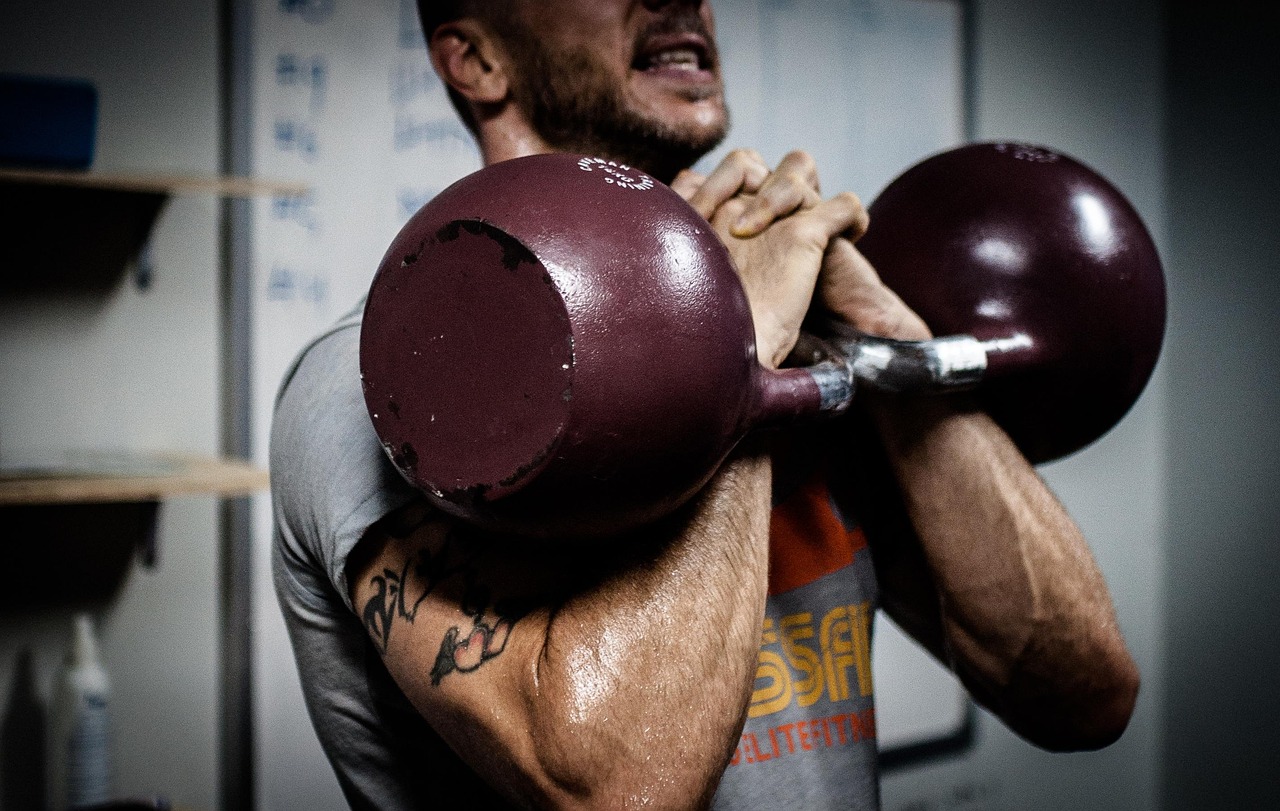

Building Explosive Power with Kettlebell Deadlifts
Kettlebell deadlifts are not only effective for building strength but also play a significant role in enhancing explosive power. This compound movement engages multiple muscle groups, providing a comprehensive workout that targets the lower body, core, and even the upper body. When performed correctly, kettlebell deadlifts foster balance and stability, essential components of athletic performance. To execute a kettlebell deadlift, begin by placing a kettlebell between your feet. Position your feet shoulder-width apart, and keep your back straight. Hinge at the hips, maintaining a neutral spine, and grasp the kettlebell with both hands. As you lift, activate your glutes and hamstrings, driving through your heels. Ultimately, the movement emphasizes proper form to maximize muscle recruitment and minimize injury risk. Additionally, kettlebell deadlifts contribute significantly to developing posterior chain strength. This is crucial for many sports, as strong glutes and hamstrings assist in sprinting, jumping, and quick directional changes. Integrating these into your training regimen can help increase your overall power output.
Moreover, kettlebell deadlifts can be tailored to suit various fitness levels, making them an accessible choice for many. Beginners can start with lighter kettlebells and focus on perfecting their form. Alternatively, as one gains strength and confidence, progressively heavier kettlebells can be introduced, enabling continuous adaptation and growth. This scaling aspect allows athletes to incrementally build explosive power while minimizing the risk of injury. The movement pattern is also versatile, so you can incorporate it into various training circuits. Including kettlebell deadlifts in your routine paves the way for developing explosive leg power, essential for athletes across different disciplines. Furthermore, pairing kettlebell deadlifts with other explosive exercises, such as box jumps or kettlebell swings, can lead to significant improvements in athletic performance. The combination enhances conditioning while ensuring that your muscles learn to fire in a coordinated, explosive manner. Emphasizing muscle time under tension during the deadlift can also boost explosive power. The key is to maintain proper technique while focusing on controlled movements, making every repetition highly effective.
Benefits of Kettlebell Deadlifts
In addition to building explosive power, kettlebell deadlifts offer a plethora of benefits that make them an essential part of any strength-training program. One of the standout advantages is the focus on core stability. As you lift, your core muscles are engaged to maintain that neutral spine, thus contributing to improved functional strength. This enhanced core stability translates well into numerous athletic activities, where a strong core is vital for performance and injury prevention. Another notable benefit is the enhanced grip strength that comes from lifting a kettlebell. Strong grip strength is beneficial not just in weightlifting but also in sports and daily activities. Moreover, kettlebell deadlifts can contribute to improved posture if performed regularly. As your back and stabilizing muscles strengthen, you’ll naturally stand taller, which can lead to a reduction in back pain over time. Lastly, kettlebell deadlifts can also aid in fat loss when incorporated into high-intensity intervals, maximizing calories burned due to the compound nature of the exercise. This combination makes them truly versatile in crafting a comprehensive fitness regimen.
To maximize the effectiveness of kettlebell deadlifts, it is crucial to incorporate suitable progressive overload strategies. One way to implement progressive overload is by gradually increasing the weight of the kettlebell you’re using. This should occur only as your form improves and your strength increases. Another method is by manipulating the repetition range. Consider performing fewer repetitions with a heavier kettlebell for strength development, while higher repetitions with a moderate weight can enhance muscular endurance and metabolic conditioning. Additionally, adjusting the tempo of your lifts can produce variations that stimulate muscle growth and hypertrophy. Slowing down the negative phase of the deadlift engages the muscles for a longer duration, maximizing efforts. Furthermore, ensuring proper rest intervals allows for recovery and muscle repair, which are critical for strength development. Proper nutrition and hydration also play crucial roles in the recovery process. Ensuring energy intake supports your increased activity level will ensure you continue to make progress toward developing explosive power through kettlebell deadlifts.
Proper Form and Technique
Executing kettlebell deadlifts with proper form and technique is paramount for both effectiveness and safety. To begin, stand with your feet hip-width apart and the kettlebell positioned between your feet. Begin the movement by pushing your hips back rather than bending at the knees too soon. This will ensure your hips drive the movement while keeping your back straight. As you pull the kettlebell up, focus on engaging your glutes and hamstrings rather than relying on your back. Your shoulders should be back and down as the kettlebell moves upward, preventing strain on your lower back. Keeping your weight distributed evenly through your heels helps maintain stability throughout the lift. When lowering the kettlebell, hinge at the hips and allow your torso to move forward while keeping the weight close to your body. Make sure to breathe deeply, exhaling forcefully as you lift. Practicing in front of a mirror or recording your lifts can help identify areas that need improvement. Regularly reviewing your form solidifies the foundational movements necessary for optimal performance.
Moreover, incorporating variations of the kettlebell deadlift can further enhance training adaptations. Some effective variations include single-leg kettlebell deadlifts, which offer an excellent challenge for balance and unilateral strength. This variation forces the stabilizing muscles of the core to engage, thus enhancing overall functional strength. Another modification is the sumo kettlebell deadlift, where you adopt a wider stance. This variation allows you to emphasize different muscle groups while still targeting powerful hip extension. You might also consider adding tempo changes in your kettlebell deadlift workouts to shock your muscles differently. By varying the speed of your movements, you can stimulate muscle growth and adaptation more effectively. Similarly, incorporating kettlebell deadlifts into circuits that include overhead presses or swings will lead to additional cardiovascular challenges while still focusing on strength development. When utilized properly, kettlebell deadlift variations can keep your workouts fresh and continue contributing to building explosive power over time without plateauing.
Conclusion
In summary, kettlebell deadlifts hold an esteemed position in any comprehensive training program focusing on explosive power. Their capacity to strengthen multiple muscle groups, improve core stability, and foster overall athletic performance cannot be overstated. By adhering to proper form and technique, you can greatly reduce the risk of injury while amplifying the benefits gained from this incredible exercise. Experimenting with various kettlebell variations enhances your workout regimen and keeps you engaged throughout your fitness journey. Incorporating deadlifts strategically into your routine will not only develop power but may also improve overall muscular endurance, grip strength, and posture. Emphasizing the principles of progressive overload, and maintaining a structured approach toward recovery and nutrition will ensure continuous growth. A consistent focus on kettlebell deadlifts can lead to transformative results in strength and power. Whether you’re an athlete seeking to enhance performance or a fitness enthusiast aiming to refine your physical capabilities, kettlebell deadlifts provide a solid foundation to achieve your goals. So grab a kettlebell and start working towards explosive power with focused, deliberate efforts.