
Challenges in Data Accuracy
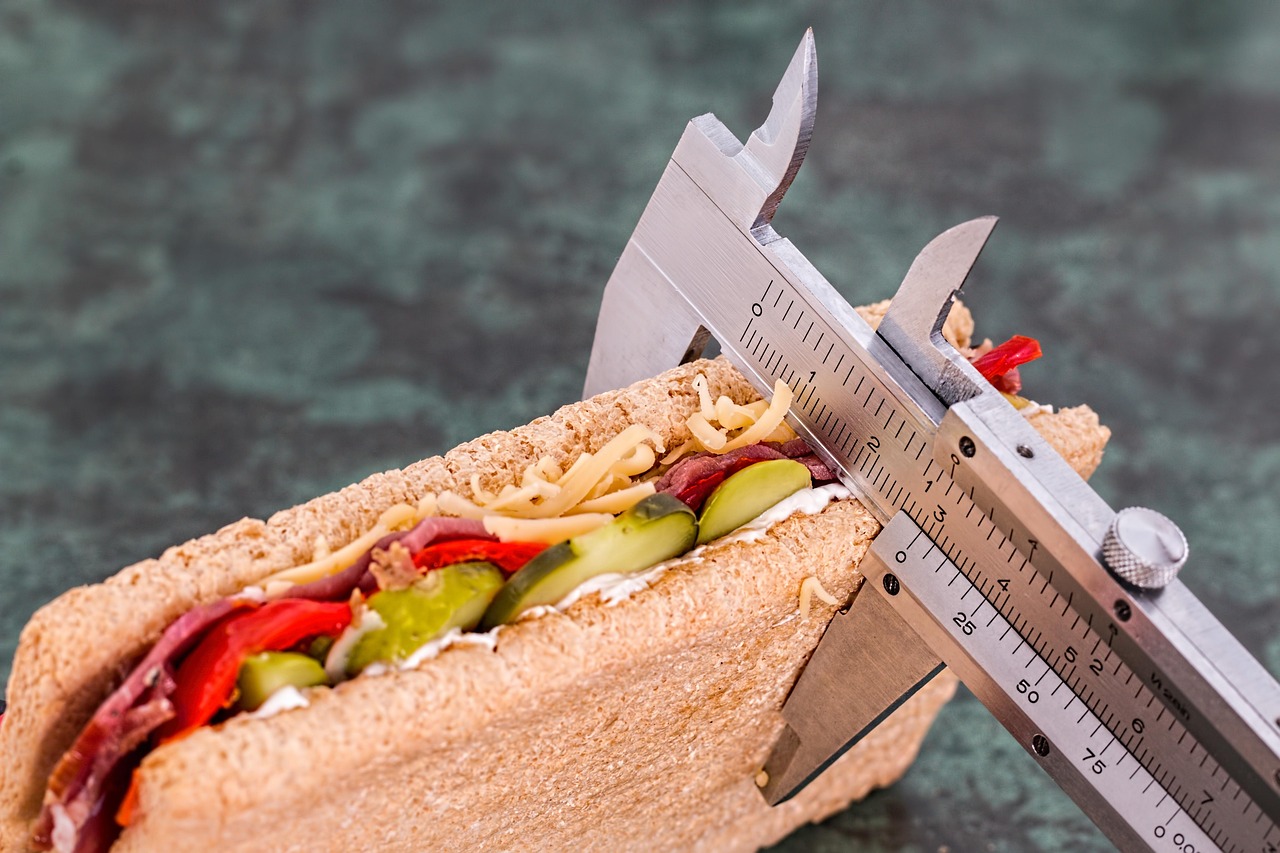
Calorie counting apps rely heavily on user input, which can lead to significant inaccuracies. Due to the subjective nature of portion sizes, users might underestimate or overestimate what they consume. Ingredients can vary in caloric content based on their preparation methods, further complicating accurate counting. Additionally, food databases used in apps struggle with exhaustive coverage of all foods, especially homemade meals. This lack of comprehensive data can pose challenges for users trying to reach specific dietary goals. Furthermore, seasonal varieties of the same food can differ in calorie content, adding another layer of complexity. To mitigate these issues, users often need to cross-reference what they find in the app with other reliable nutrition resources, requiring additional effort. Another challenge comes from the app’s algorithms, which may not clearly differentiate between similar items. Oftentimes, users will also forget to log snacks or underestimate their intake at social gatherings. This discrepancy between actual and logged calories can hinder weight management. Hence, while calorie counting apps can be useful, users need to remain vigilant regarding accuracy and potential errors in data entry.
Intimidating Interface for New Users
Users of calorie counting apps often find the interface to be overwhelming, especially at the beginning. With so many features available, such as meal logging, exercise tracking, and progress graphs, new users can feel lost. The complexity in navigating through these features may deter dedicated use. Many apps bombard users with data without offering clear instructions or guidance. As a result, users may not fully utilize the app’s capabilities, leading to frustration. A simplified user experience is essential for increasing engagement and long-term retention. Ideally, an app should provide quick tips or a guided tutorial upon first use. Users will benefit from a streamlined design that prioritizes essential functions over a cluttered interface. Additionally, some users may lack technological proficiency, making it even more difficult for them to engage effectively. Continuous feedback loops can help developers understand these pain points, leading to improved user interfaces. Ultimately, addressing these concerns will allow apps to better cater to a wider audience, thus increasing the likelihood of users meeting their fitness goals. Simplicity is key, especially when trying to develop healthy eating habits and maintaining a balanced diet.
Limited Customization Features
Many calorie counting apps fail to offer sufficient customization options. As individual dietary needs can vary greatly, a one-size-fits-all approach often falls short. Users may find themselves unable to log specific dietary plans such as keto, vegetarian, or gluten-free diets. This limitation can dampen user experiences, as they desire tools that align with their unique preferences. Furthermore, the lack of flexibility can deter long-term commitment to maintaining dietary changes. A series of studies highlight that customization can lead to greater user satisfaction and success. Additionally, users may wish to track specific nutrients beyond just calories, such as vitamin intake or macronutrient ratios. For all these reasons, calorie counting apps need to evolve and provide options for personalization. Advanced features, like adaptable meal plans or tailored suggestions based on user history, could further enhance the app’s utility. Some applications include limited customization, yet they tend to charge a premium for additional features. This can be a barrier for many users, especially those just starting their health journeys. Developers must prioritize customization to ensure comprehensive tracking capabilities suited to varying lifestyles.
Social Features and Accountability
Another area where current calorie counting apps can improve is in their social features that foster accountability. Many users struggle to maintain motivation when tracking calories alone. Incorporating features that allow users to connect with friends or groups can create a support system that engages and encourages users. Social integration fosters healthy competition and sharing of experiences, which can elevate the sense of community. Users may also desire options to share progress on social platforms, enhancing visibility. However, the challenge lies in balancing privacy and social components; users may be hesitant to expose their food choices. Effective communication on how data is shared can alleviate such concerns. Tools that provide group challenges or incorporate leaderboards could transform the user experience significantly, encouraging consistent engagement. Furthermore, some apps lack the motivational prompts that engage users, leading to inactivity. Regular reminders or personalized encouragement based on logged activities can nudge users towards their fitness goals. By focusing on social engagement, calorie counting apps can retain users and create a collective environment that is both supportive and motivating. This element is crucial in making calorie counting feel less isolating and more collaborative.
Reliance on User Discipline
Calorie counting apps fundamentally rely on the discipline of their users for success. Many individuals struggle with self-discipline when trying to track their calories consistently. The effectiveness of an app hinges on regular logging of meals and activities, often leading users to feel overwhelmed. It’s common for users to forget to log their meals, especially during busy days or social events. When users do not log their intake accurately, it negatively impacts their progress and undermines the app’s utility. This inconsistency can lead to a loss of interest in using the app as intended. Additionally, users may feel discouraged after seeing their logged intake versus their goals, resulting in negative feelings about their progress. Developers must recognize that while the app provides tools, the responsibility ultimately rests on the user. To combat these issues, apps might consider offering automatic logging features, like barcode scanning for packaged foods. Enhancements, such as voice commands for quick entries or notifications to encourage daily logging, can further support users in their tracking journey. Overall, the balance between user discipline and app support is crucial for achieving success.
App Integration with Wearable Devices
Many current calorie counting apps fall short in their integration with wearable devices, such as fitness trackers. This lack of synchronization can result in fragmented user experiences and hinder the app’s effectiveness. Users want a holistic view of their health and fitness data without having to navigate multiple platforms. Integrating wearables could provide valuable insights into calorie expenditure, making tracking more comprehensive. Additionally, synchronized apps can automatically track physical activities, reducing the manual entry burden on users. However, not all apps fully support all wearable devices, creating discrepancies in data. This inconsistency can often confuse users, leading to uncertainty about their actual progress. Developers need to expand partnerships with fitness tracking brands to offer a seamless experience that unifies data inputs. Moreover, synchronization features should be intuitive and straightforward, allowing users to connect their devices with minimal hassle. Offering visualization tools that compile data from both the app and wearable can enhance user engagement as well. With connected technology, individuals can receive tailored insights based on their activity levels and caloric intake, creating personalized health journeys.
A Need for Ongoing Support and Education
Users often require ongoing support and education for effective use of calorie counting apps. Simply downloading and logging food isn’t sufficient for long-term success. Many users may not understand the nutritional values or the importance of accurate logging. Educational resources within the app can empower users to make better dietary choices. Offering informational content on macronutrients, portion sizes, and meal planning can foster healthier habits. Furthermore, users appreciate having access to registered dietitians or nutritionists via the app. Implementing webinar sessions or live Q&As can create an interactive approach to learning about nutrition. These components can foster trust between users and the app, enhancing user loyalty. Regular updates that cater to user feedback can improve the app experience too. An educational approach helps demystify calorie counting, making it more accessible for users. Additionally, incorporating gamification elements can motivate users to learn while they engage with the platform. Users who feel educated and supported on their journey are more likely to sustain their efforts long term. By prioritizing ongoing education, calorie counting apps can bolster overall user success and satisfaction.