
Effective Back Flexibility Stretching Workouts at Home
Flexibility is crucial for maintaining a healthy back, especially for those who spend a lot of time sitting. Incorporating stretching exercises into your daily routine can significantly improve your spinal flexibility and overall posture. Flexibility workouts not only help in alleviating pain but also enhance your performance in various physical activities. A consistent routine dedicated to back and spinal stretching can yield noticeable improvements in flexibility over time. To effectively target your back muscles, focus on various stretches that engage different areas of your back, from the lower to the upper sections. This holistic approach not only prevents injuries but also helps to recover from strain caused by physical activities. Some of the most effective stretches include the cat-cow stretch, child’s pose, and the seated forward bend. These stretches can be done right in the comfort of your home and require little to no equipment. Remember, regularity is key; aim to include back flexibility workouts in your exercise schedule at least three times per week for optimal benefits. Addressing your back flexibility proactively can lead you towards a more active and pain-free lifestyle.
Benefits of Stretching for Flexibility
Stretching to improve flexibility has numerous benefits, especially for the back. When you incorporate targeted stretches, you can decrease muscle tightness, enhance circulation, and improve your body’s balance and coordination. These benefits contribute to better posture, which can help alleviate discomfort associated with prolonged sitting. Additionally, increased flexibility can boost your athletic performance by making movements less restricted and promoting a wider range of motion. Stretches also play a significant role in injury prevention by preparing the muscles for physical activity. By improving flexibility, you can reduce the risk of muscle strains and tears, making your workouts safer and more efficient. Moreover, stretching exercises can also foster relaxation, helping to reduce stress and tension built up throughout the day. When feeling stressed or fatigued, dedicating some time to back flexibility exercises can rejuvenate your mind and body. Many individuals find that incorporating these practices into their routines can greatly improve their overall well-being. Embracing back flexibility stretches can lead to a more fulfilled life, physically and mentally. Consistency is essential for reaping these rewards.
To get started on your journey towards enhanced back flexibility, consider creating a dedicated stretching routine at home. You don’t necessarily need professional guidance to perform effective stretches, as many can be easily learned and performed from the comfort of your living space. Set aside a corner in your home with enough room to stretch freely, ensuring a comfortable and distraction-free environment. It’s also recommended to warm up your body before diving into your stretching routine. Start with light movements to get the blood flowing, which can be as simple as a few minutes of walking or gentle joint movements. Aim to hold each stretch for at least 15-30 seconds, and remember to breathe deeply throughout your routine. If a stretch feels especially good, such as a particular back stretch, feel free to hold it longer. Repetition of each stretch is important; perform at least two to three rounds. Throughout your journey, stay mindful of your body’s signals—never push yourself too hard or beyond your limits. Listen to your body, and let it guide you as you progress.
Recommended Back Flexibility Stretches
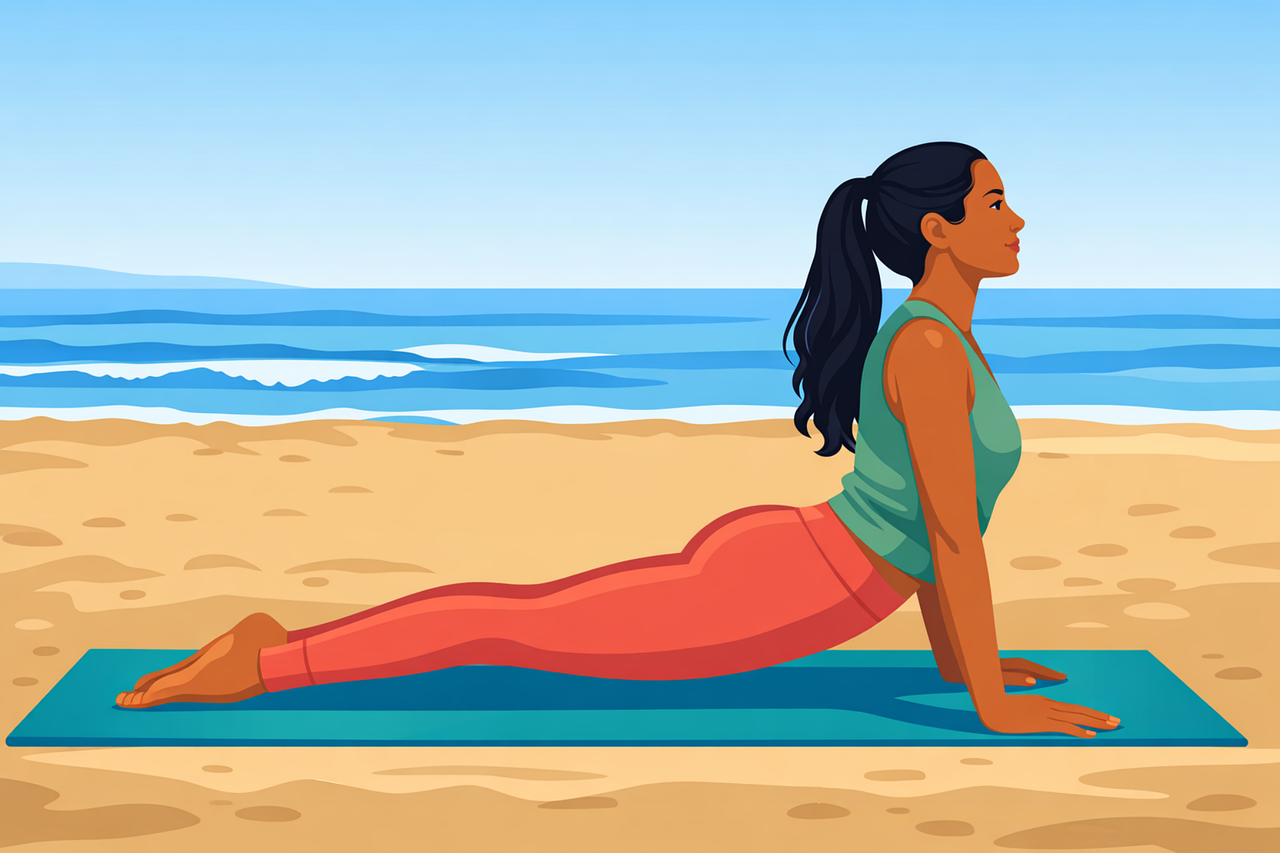
Here are some recommended stretches for improving back flexibility. Each stretch focuses on various areas of your back, helping promote balance and alignment. Firstly, try the cat-cow stretch: start on all fours and alternate between arching your back and dipping it down while raising your head. This stretch is excellent for the spine and increases mobility. Next up is the child’s pose; kneel on the floor, sit back on your heels and reach your arms forward while lowering your torso down. This pose elongates the spine while providing relaxation. The seated forward bend is another great option; sit with your legs extended and reach for your toes, keeping your back straight. For hamstring flexibility, this stretch is essential. Additionally, consider the standing forward fold, where you hinge at the hips and let your upper body hang down, releasing any tension. Each of these stretches can be performed in sets, allowing you to ease tightness in your back muscles while enhancing your flexibility at home.
A great way to ensure your stretching routine is effective is to combine it with proper breathing techniques. Deep, controlled breaths can significantly enhance the benefits you receive from stretching. As you inhale and exhale, imagine loosening the tightness in your back, allowing you to go deeper into each stretch. Maintaining awareness of your breath can also help you to focus better on the movements, increasing concentration. Make sure to visualize the muscles you are working on; this connection between mind and body can greatly enhance your results. Additionally, the timing of your stretching can also influence its effectiveness. Stretch after a workout while your muscles are warm, or perform gentle stretches in the morning to wake up your body. Incorporating your routine into your day when you feel most relaxed and focused can lead to better results. Gradually increase stretches’ intensity and duration as your strength and flexibility improve over time, ensuring you continuously challenge yourself without injury. A commitment to this process will yield the best results in enhancing your back flexibility.
Common Mistakes to Avoid
When embarking on your back flexibility journey, be aware of some common mistakes people often make. One major pitfall is rushing through stretches without taking the time to properly perform each position. When your body is tight, forcing it into a position can lead to injury. Always ease into stretches and respect your personal limits. Another mistake is neglecting to warm up; stretching cold muscles can be counterproductive. Prioritize warming your body up adequately before starting your stretching session. Additionally, many individuals also fail to breathe consistently while stretching, which can hinder relaxation and limit the benefits of the stretch. Breathe deeply throughout your routine and connect your breath to your movements. It’s also essential to avoid comparing your flexibility to others. Everyone has a different range of motion based on various factors. Stay committed to your personal journey and progress at your own pace. Remember to listen to your body and adjust your routine based on what feels right, keeping in mind that flexibility develops over time with consistent effort.
Lastly, it’s crucial to understand that flexibility is a journey, not a destination. As you incorporate these back flexibility stretching workouts into your routine, celebrate small victories. Maybe you can hold a stretch for a bit longer or feel less discomfort in your back after daily activities. Each improvement is a step towards better flexibility and overall well-being. It’s essential to remain patient through this process and allow your muscles the time they need to adapt. You might want to keep a journal of your progress, noting how you feel each day after your stretching sessions. Reflecting on your journey can help you stay motivated, especially on days where you may not see immediate changes. Don’t hesitate to adjust your routine to keep it enjoyable and effective. Consider pairing your stretches with other forms of exercise, such as yoga or Pilates, which can also enhance strength. This holistic approach ensures your back remains flexible and resilient. Ultimately, through dedication and mindful practice, achieving effective back flexibility is entirely possible, transforming your physical abilities and overall quality of life.
In conclusion, effective back flexibility stretching workouts can be achieved right at home with minimal effort. By embracing the recommended stretches, focusing on breathing, and avoiding common mistakes, you can make significant improvements in your flexibility. Maintaining a routine at least three times a week will produce the best outcomes. It’s important to personalize your routine based on your current fitness level and goals. As you gain flexibility, gradually challenge yourself with more advanced stretches or increase duration and intensity. Always remember the importance of listening to your body’s signals; avoid pushing past discomfort to thwart potential injuries. Engaging in this beneficial practice can lead to increased mobility and a noticeable decrease in back pain. Make it a habit to prioritize back flexibility—your body will repay you with improved posture, enhanced performance, and an overall better quality of life. For additional inspiration and guidance, consider exploring instructional videos or joining online communities centered around flexibility training. The journey to better back flexibility is rewarding and achievable, leading to a healthier, more active lifestyle for all.