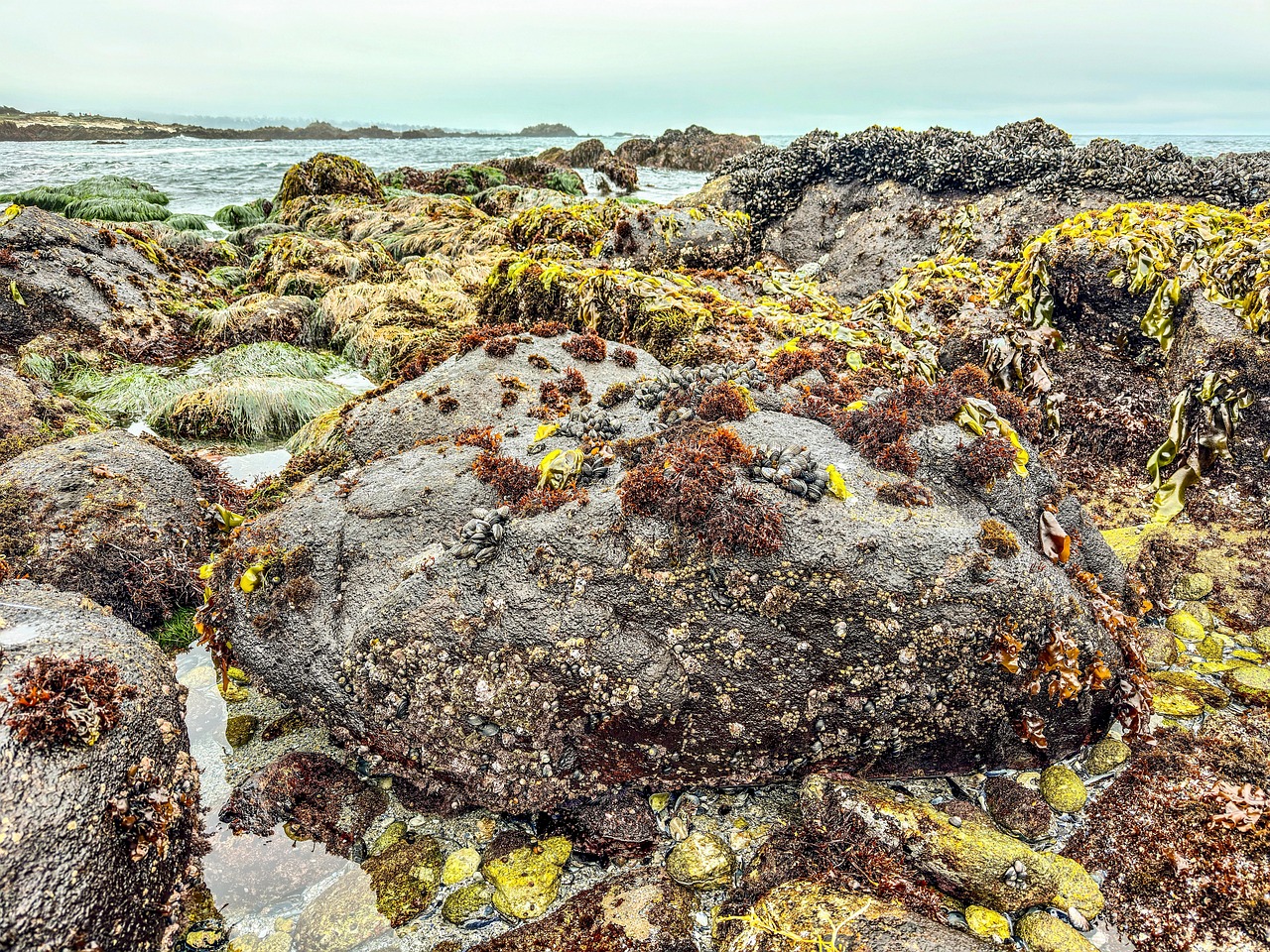

Tide Pool Exploration and its Influence on Sustainable Tourism
Tide pool exploration presents a fascinating intersection between nature and tourism. Tide pools, found along rocky shorelines, teem with diverse marine life such as crabs, sea stars, and anemones. These ecosystems are not only vital for marine species but also act as a unique attraction for visitors interested in discovering the wonders of seaside ecology. Many coastal destinations have begun promoting tide pool exploration as part of their sustainable tourism initiatives, emphasizing educational experiences that highlight conservation. Visitors are encouraged to understand the delicate balance of these ecosystems while enjoying their natural beauty. The engagement in tide pool exploration benefits both locals and tourists, fostering respect for marine life and increasing environmental awareness. By participating in responsible exploration, visitors can directly contribute to the preservation of these fragile habitats. Such awareness often leads to greater support for local conservation efforts and helps maintain the area’s biodiversity. Ultimately, tide pool exploration serves as a gateway for communities to grow economically while preserving the environment. This balance is essential to ensure future generations can continue to enjoy the enchanting world of tide pools.
The Ecological Importance of Tide Pools
Tide pools are crucial for many marine species, offering shelter and nourishment. The unique environmental conditions of tide pools create a diverse range of habitats for various organisms. They include algae, mollusks, and crustaceans, all intricately connected within the marine ecosystem. Understanding the resilience of these habitats is vital for promoting sustainable tourism. Each organism plays a role in maintaining ecological balance, which is critical for coastal health. As visitors engage in tide pool exploration, they can observe interactions among species, fostering appreciation for biodiversity. Moreover, these ecosystems serve as an educational platform for learning about marine biology and conservation. Tourism operators encouraging tide pool tours often provide insights on the significance of preserving these habitats. Careful exploration helps to mitigate the environmental impact that often accompanies tourism. This approach fosters a deeper connection with nature, motivating visitors to take part in conservation efforts both locally and globally. Moreover, tide pools highlight the interconnectedness of life forms and the importance of maintaining delicate ecosystems. A sustainable approach to tide pool exploration represents a win-win scenario for tourism and environmental conservation.
Conservation efforts focused on tide pools help protect vulnerable species and habitats. Organizations dedicated to marine conservation emphasize the importance of educating the public about tide pool ecosystems. Tours led by ecologists often incorporate scientific knowledge into the visitor experience, allowing participants to gain insights into marine life. By making this knowledge accessible, visitors can better appreciate their influence on environmental sustainability. Furthermore, sustainable tourism alleviates the pressure on fragile ecosystems. Responsible tourism practices advocate for minimal disturbance during tide pool exploration. Tourists are encouraged to respect wildlife by avoiding touching or removing creatures from their natural habitat. Learning proper techniques enhances awareness about tide pool ecosystems. Informed visitors are more likely to advocate for preserving marine biodiversity and supporting local conservation initiatives. This creates a collective effort towards sustainable tourism, balancing economic growth while protecting natural resources. Local governments often partner with non-profits to implement programs and regulations that promote ecotourism. Increased interest in tide pool exploration results in funding for conservation projects, leading to positive outcomes for marine life and coastal environments. Each exploration contributes to a broader understanding of sustainability and conservation practices vital for our planet.
Community Involvement in Sustainable Tourism
Community engagement plays a significant role in promoting sustainable tide pool tourism. Local residents often contribute to developing and implementing initiatives that emphasize environmental stewardship alongside tourist engagement. Local knowledge about marine ecosystems provides valuable insights into sustainable practices. By actively involving community members, organizations create strategies aligning tourism development with conservation goals. This not only empowers local residents but also enhances visitor experiences through authentic interactions. Furthermore, collaborative projects often involve educational programs, workshops, and conservation events. Such initiatives help foster connections between visitors and marine environments, further enhancing public participation in sustainability efforts. When communities have ownership over tide pool conservation, they become passionate advocates for preserving their unique habitats. Furthermore, community-led tide pool exploration tours can personalize the visitor experience. Locals can share stories, cultural significance, and conservation efforts that enhance understanding of marine ecosystems. This personalized approach leads to more meaningful tourism experiences while promoting awareness. Consequently, responsible tourism practices also provide direct economic benefits to local communities. Increased awareness and participation in conservation efforts become a boon for local businesses relying on sustainable tourism.
Increased tourism associated with tide pool exploration can generate both positive and negative impacts. On one hand, the surge in interest can lead to economic benefits for local businesses, including shops, restaurants, and tour operators. The revenue generated fosters community development, contributing to local economies. Sustainable tourism leveraging tide pools often supports conservation funding, enabling further protection of marine habitats. On the other hand, overexploitation can have detrimental effects on these fragile ecosystems. Therefore, it is crucial to adopt practices that ensure responsible tourism. Education remains a key component, informing visitors about the importance of preserving marine life. Implementing strict regulations governing visitor interactions with marine species can mitigate adverse impacts. Local authorities often engage with stakeholders to establish guidelines ensuring that exploration fosters sustainability. An informed public is more likely to champion conservation initiatives, supporting local efforts aimed at protecting tide pool ecosystems. Striking a balance between enjoyment and preservation is essential. With thoughtful management, the influx of visitors can coexist harmoniously with environmental sustainability. This collaborative approach can safeguard natural habitats while providing memorable experiences for those exploring tide pools.
The Role of Policy in Conservation
Policies governing tide pool exploration significantly influence future sustainability efforts. Developing effective regulations ensures that tourism activities do not threaten local ecosystems. Clear guidelines help inform tourists about acceptable practices during tide pool exploration. This framework promotes responsible tourism, balancing economic interests with ecological protection. Coastal communities, in collaboration with environmental organizations, often develop comprehensive policies. These policies may include zoning regulations, visitor capacity limits, and guidelines for respectful exploration. Effective communication about the significance of following these regulations fosters an environment of accountability among visitors. Furthermore, policy initiatives promoting sustainable tourism can incentivize local businesses to adopt conservation practices. Research indicates that increased public awareness leads to stronger advocacy for marine conservation. Policies must adapt to changing marine environments, incorporating scientific feedback and environmental assessments. Regular evaluation of these regulations enhances their effectiveness in protecting tide pools. Continuous collaboration between stakeholders ensures that responsible tourism does not compromise conservation efforts. The integration of community perspectives into policy development is critical. By engaging those directly affected, policies can be more effective in promoting tourism that respects and preserves tide pool ecosystems.
Ultimately, the future of tide pool exploration hinges on our commitment to sustainability and conservation. As awareness grows regarding the impacts of tourism on these eco-sensitive areas, the desire for more responsible practices also increases. Community-led initiatives can lead to innovative strategies that align economic growth with environmental stewardship. Education serves as a powerful tool, empowering visitors and locals alike to become advocates for tide pool ecosystems. By fostering a culture of respect for wildlife, individuals can make informed decisions during their explorations. Furthermore, collaboration among tourism operators, local communities, and policymakers is vital to create a unified approach towards sustainable tourism. Involving multiple stakeholders increases the likelihood of enduring conservation efforts. With ongoing dedication, tide pool exploration can evolve into a sustainable model benefiting local economies and coastal environments. The balance between tourism and ecological health is achievable with conscientious planning. Collectively, we share the responsibility to protect these remarkable habitats, ensuring they thrive for generations to come. As the tide pools continue to inspire and educate, sustainable tourism emerges as a promising pathway towards a healthier planet.
Through engaging in sustainable tide pool exploration, tourists can experience the beauty of our oceans while contributing to their preservation. The insights gained from tide pools foster a deeper connection between humans and the natural world. As visitors learn to appreciate these unique ecosystems, they also become stewards of conservation, advocating for the marine environments they enjoy. Moreover, responsible exploration encourages a sense of wonder and respect that echoes through generations. By embracing sustainable practices, tourism can thrive alongside ecological balance. The allure of tide pools extends far beyond just adventure; it embodies a commitment to protecting fragile coastal ecosystems. With each tide pooling experience, the opportunity for education, conservation, and community empowerment becomes palpable. Ensuring the health of our oceans requires collective action and conscientious decisions. Therefore, prioritizing the protection of tide pools is essential for both environmental and economic sustainability. As the interest in tide pool exploration continues to grow, so does the potential for fostering a culture of awareness and responsibility within the realm of tourism. In conclusion, the path toward sustainable tourism rests within our hands as passionate advocates for the world’s rich marine life.