
Injury Prevention Tips When Running on a Treadmill
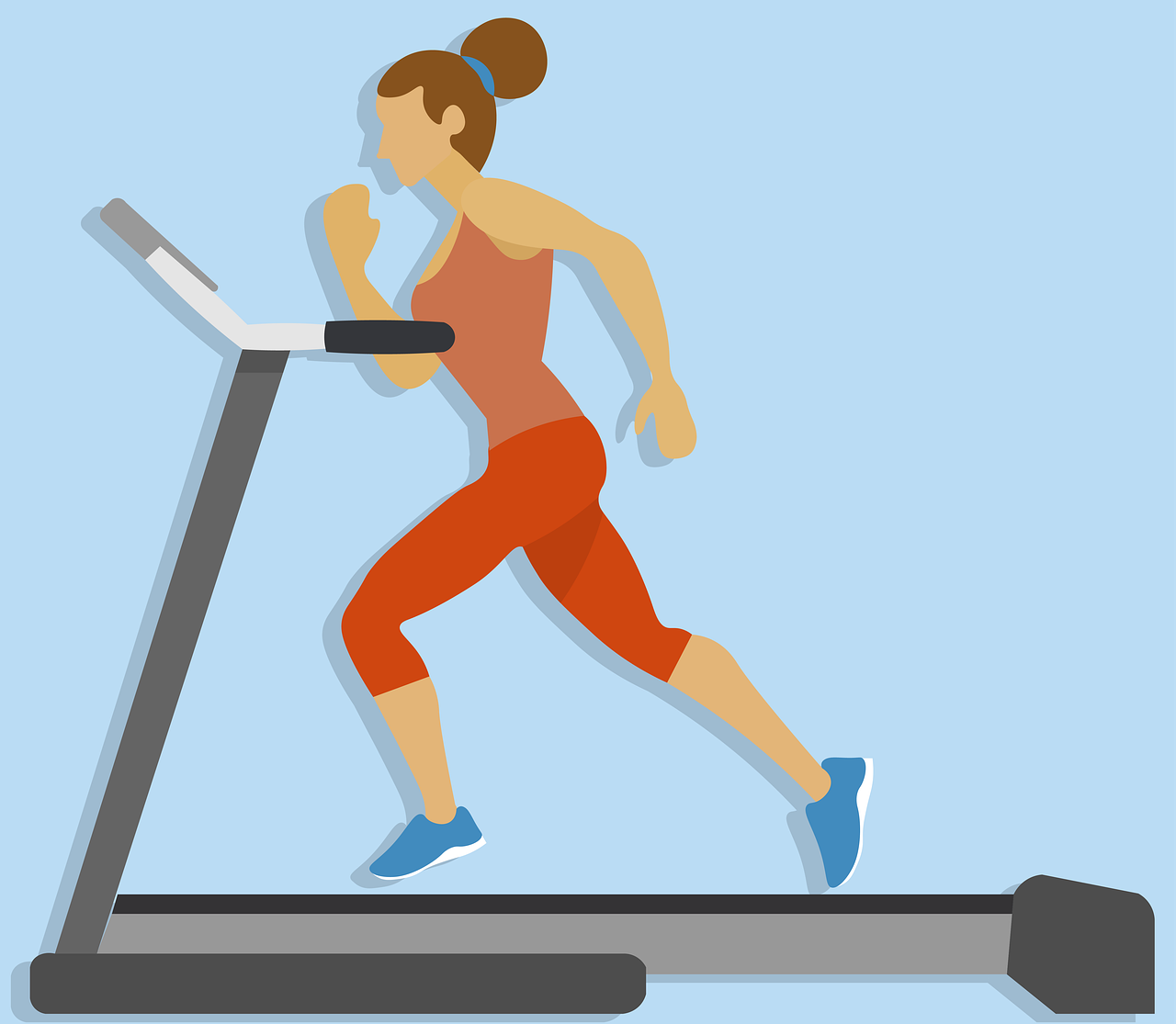
Running on a treadmill can be an excellent way to stay fit, but it comes with certain risks. To minimize injuries during your treadmill workouts, proper warming up before starting your run is essential. Warm-up routines such as dynamic stretches prepare your muscles and joints for the intensity of running. Additionally, consider walking at a slower pace for about five to ten minutes to further increase blood flow to your legs. This preparation can reduce muscle strain and improve overall performance. Selection of appropriate footwear is equally crucial; running shoes with suitable cushioning can help absorb shock and support your arches, thus reducing the impact on your knees and ankles. If you feel discomfort during your run, it might be time for new shoes. Ensure you also hydrate adequately before and during your workout to maintain performance levels. Maintaining a comfortable posture helps in avoiding injuries; keep your shoulders relaxed and hands at waist level while running. Using this guidance will significantly contribute to a safer treadmill experience and enhance your fitness journey.
Your treadmill setup matters as well, contributing to injury prevention. Before you begin your workout, adjust the treadmill settings to suit your fitness level. Always start at a moderate speed before gradually increasing it to a comfortable pace. Sudden increases in speed may cause unnecessary strain and elevate injury risks. Also, it is crucial to select the appropriate incline while running. Treadmills allow you to adjust the incline, simulating an outdoor workout that targets different muscle groups. A moderate incline can build strength without causing excessive stress on your joints. Monitor your heart rate and level of exertion during your workout, adjusting settings as necessary to keep the intensity suited to your fitness level. Consider using the safety features of the treadmill, such as the emergency stop key, which can prevent accidents. Listening to your body is vital; if you experience sharp pains or excessive fatigue, it’s a sign to stop. Using these tips will help you maintain a safer running routine while enjoying the benefits of treadmill workouts. Consistent practice will lead to improved fitness without compromising safety.
Understanding the Importance of Form
Maintaining proper form while running on the treadmill is critical for preventing injuries. Therefore, focus on your running technique to ensure that you are running efficiently. Your core should be engaged, maintaining a straight posture throughout the run. Avoid leaning forward too much, which can place excess strain on your back. Proper foot placement also plays a significant role; your feet should land directly underneath your body to maintain balance and lighten impact on your joints. It is beneficial to practice a midfoot strike rather than a heel strike, as this can further reduce the risk of injury. Pay attention to your arm movements; they should flow naturally without crossing your body excessively. In fact, concentrated arm movement enhances your running rhythm and balances your stride. Shorter and quicker strides can aid in injury prevention. Additionally, try to keep a consistent pace that aligns with your targeted heart rate zone. Observe external factors such as treadmill incline, which can affect your form. By tuning into these details, you can establish a safer and more effective treadmill running experience.
Listening to your body is a major aspect of preventing injuries while running on a treadmill. Being attuned to your physical state can prevent overexertion and strain. Establish a baseline for what feels normal during your treadmill workouts; signs of discomfort, fatigue, or pain should not be ignored. For instance, if you experience soreness in your joints after running, consider analyzing your technique and footwear for possible misalignment. Lastly, consider incorporating strength training exercises into your fitness regimen, targeting key muscle groups involved in running. Strengthening your legs, core, and upper body can improve overall performance and durability over time during treadmill running. Effective strength training helps maintain balance and stability, which are essential while performing repetitive movements. Bodyweight exercises such as squats and lunges can build muscle without needing gym equipment; these can be done outside of your treadmill workouts. Aim for two to three strength sessions weekly to provide adequate recovery time. By adding strength training exercises, you can ensure a more rounded approach to your fitness and incorporate injury prevention into your routine. Healthy habits will keep you moving efficiently in your fitness journey.
Monitoring Your Progress
Tracking your treadmill workouts can play a key role in preventing injuries. Keeping a record of your runs, including duration, distance, incline, and heart rate, helps identify patterns in your performance. By understanding your limits, you can better prevent overtraining, which is a common cause of injury. Using apps or fitness trackers to monitor statistics provides insights into what is working and what is not. Consistently logging information allows for adjustments, promoting a gradual increase in performance without pushing past safe thresholds. Additionally, consider setting realistic goals based on your monitoring; aiming for achievable milestones fosters motivation while minimizing the pressure that leads to injury. Cross-training is another vital element related to injury prevention; engaging in other forms of exercise helps build overall strength and endurance. For instance, incorporating cycling or swimming provides low-impact alternatives to running. These activities can allow your running muscles to recover while still maintaining fitness. It breaks the monotony too, allowing you to stay engaged in your workouts without compromising health. Therefore, maintaining a balanced fitness routine is essential to long-term injury prevention and achieving your fitness aspirations.
Recovery is just as important as your workouts, contributing significantly to injury prevention. Understanding when and how to recover properly is essential to maximizing your treadmill routines. Ensure you prioritize rest days, allowing your muscles time to heal and regenerate. Lack of proper recovery can result in fatigue and lead to potential injuries in the long run. Include passive recovery such as stretching exercises post-workout, which helps alleviate muscle tightness and promotes flexibility. After your treadmill sessions, taking time to perform static stretches can help maintain your flexibility and assist in muscle recovery. Additionally, consider the role of nutrition in recovery; fueling your body with the right nutrients supports muscle repair. Include protein-rich foods that promote muscle rebuilding following your treadmill exercises. Also, hydrate thoroughly to avoid dehydration, which can affect your performance and overall health. On recovery days, it might be wise to engage in light activities such as walking or yoga to stimulate blood flow without overexerting yourself. Incorporating proper recovery practices leads to improved performance over time and significantly decreases the likelihood of injury.
Conclusion: Embracing a Safer Running Experience
In summary, implementing these injury prevention strategies when running on a treadmill is crucial for ensuring a safe and effective workout. Proper warm-ups, suitable footwear, maintaining good form, and listening to your body are foundational elements to your running routine. Additionally, monitoring your progress, incorporating strength training, and allowing adequate recovery contribute to better health. Remember, the goal is to enhance your fitness journey while minimizing injury risks to sustain long-term success in your fitness goals. Engaging in different activities through cross-training further enhances overall performance and prevents burnout. It ensures a balanced workout regimen that addresses multiple muscle groups, keeping the routine fresh and exciting. Listening to feedback from your body and adjusting your workouts accordingly will lead you down the path of improvement and development. Set realistic goals, remain aware of signs of discomfort, and take precautionary measures during your treadmill sessions. With dedication to these injury prevention tips, you can enjoy a safer running experience, leading to improved health and fitness. Ultimately, your commitment to these principles will help you enjoy your treadmill workouts for many years ahead.