
The Evolution of Group Riding Etiquette Over Time
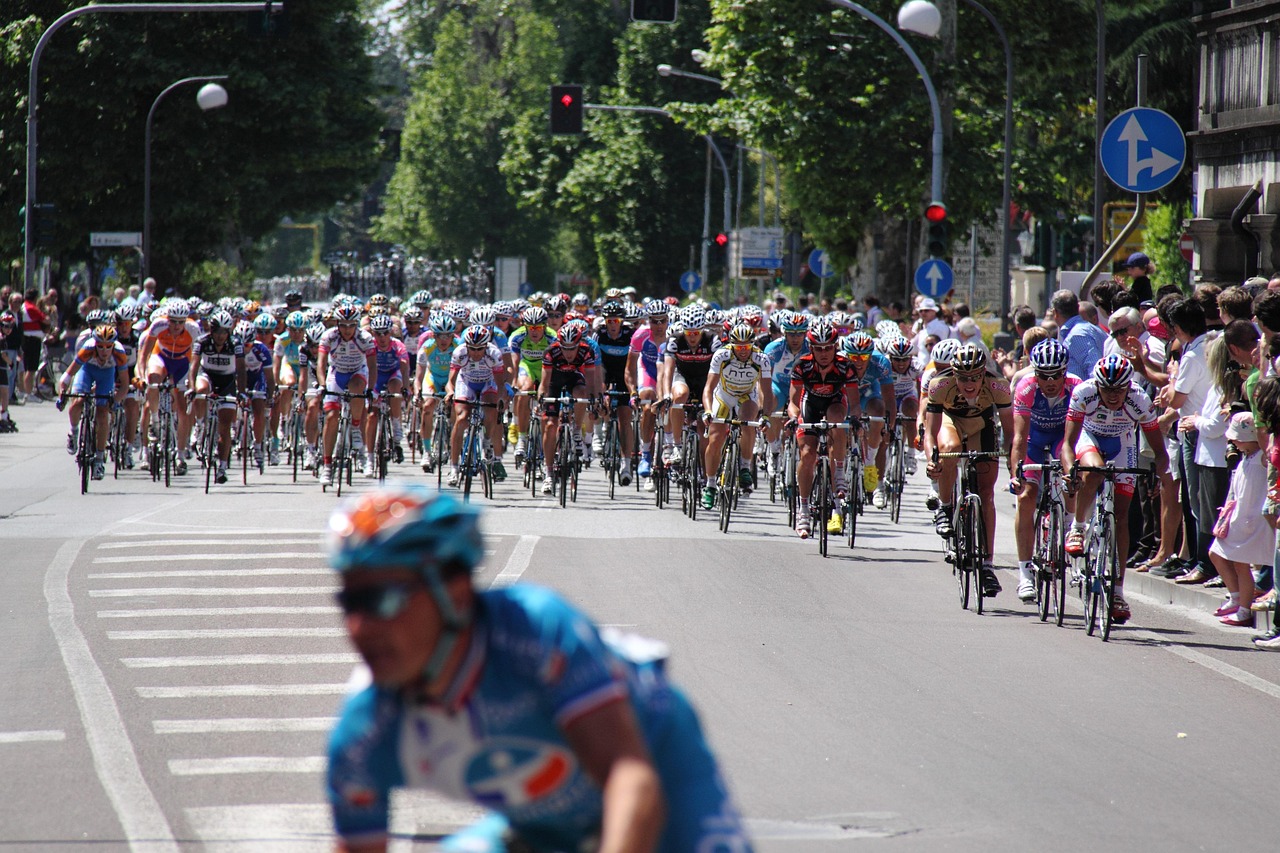
Group riding etiquette has transformed significantly over the years, evolving as a response to changes in cycling culture and technology. Initially, club rides were predominantly male-oriented, with rigid rules and silent communication. Members were expected to follow a certain pace, and deviation from this pace was frowned upon. As cycling grew in popularity, so did inclusivity, leading to a broader spectrum of participants. Riders now understand the importance of safety and consideration. In particular, the development of hand signals has played a crucial role in ensuring communication among cyclists. This aspect is essential for signaling turns and hazards. Today, group riding etiquette encompasses understanding each other’s capabilities, acknowledging the leader’s commands, and respecting personal space while riding closely together. It’s crucial that riders communicate effectively to maintain group harmony and safety, especially on busy roads. Additionally, showcasing good behavior, like minimizing sudden movements and avoiding distractions, further enhances the group’s overall experience, fostering camaraderie. This transition from strict, silent navigating to a more communicative and supportive environment reflects how the cycling community has embraced inclusivity while still valuing safety and performance.
Modern Highlights in Group Riding
There are distinct modern highlights in group riding etiquette, which have emerged through the decades. Technology now aids in improving how cyclists communicate. With the advent of smartphones and various apps, groups can plan rides more effectively and stay connected. This connectivity allows for better coordination regarding pace, route, and any potential detours. Riders can also share feedback post-ride, facilitating better understanding of each other’s strengths and weaknesses. Additionally, the inclusion of various demographics in group rides has changed the conversation around etiquette. Women and younger riders, once a minority, bring fresh perspectives to traditional riding norms. For instance, discussions around sharing responsibilities and maintaining a friendly atmosphere have become central. A key focus today is fostering a supportive environment where everyone feels valued, and camaraderie flourishes. Riders are encouraged to support slower participants without judgment while adhering to common pacing standards. Such approaches not only promote inclusivity but also enhance the experience, making it enjoyable for everyone. The growing emphasis on etiquette is a testament to the progress cycling has made, making rides more about community engagement than mere athleticism.
Another significant change in group riding has been the recognition of diverse riding styles and the implementation of shared codes of conduct. Riders today understand that group dynamics can vary widely. Some prefer steady rides, while others might enjoy more intense exploration. Hence, establishing a common ground becomes indispensable for maintaining harmony. Riders are increasingly encouraged to voice their preferences as a way to create comfortable rides. Adopting a flexible approach to pacing allows groups to cater to different riding capabilities. This change has been instrumental in promoting a more inclusive atmosphere, ensuring everyone can participate without feeling pressured. Codes of conduct are now frequently established before rides commence. These include mutual respect, pacing agreement, and expectations around communication. Moreover, discussions about safety gear – helmets, lights, and reflective clothing – have become paramount. As awareness about road safety has increased, so has the emphasis on visibility and precaution. The adoption of a unified approach not only fosters bonding among cyclists but also cultivates responsible riding habits. Ultimately, the evolution of group riding etiquette allows every rider to enjoy the sport while feeling valued as part of a larger community.
In addition to structured codes of conduct, personal interactions within groups have taken a front seat in modern cycling etiquette. Riders now prioritize building relationships that discover shared interests, ultimately enriching the overall riding experience. Icebreakers and casual conversations have become a staple before and during rides, allowing new members to integrate seamlessly into established groups. More experienced cyclists are encouraged to mentor newcomers, providing guidance on techniques, safety, and the unspoken rules of group riding. This mentorship fosters skill-building while also promoting a sense of belonging. The momentum surrounding social media has further encouraged the development of cycling communities, showcasing rides and inspiring others. Online platforms create spaces for shared resources, tips, and organizing local group rides. Building friendships through cycling leads to more fulfilling experiences, with riders often engaging outside their usual riding circles. Furthermore, celebrations of accomplishments, whether through reaching milestones or simply enjoying a pleasant ride, have become important focal points in cycling culture. Creating a supportive network not only uplifts individual confidence but also enriches the group camaraderie, ensuring a lasting legacy as cycling continues to grow.
Adjustments for Safety and Skill
Safety measures have also made substantive strides over recent years, reshaping group riding etiquette. Road cycling carries inherent risks, and recognizing these threats has propelled advancements in safety protocols. Riders today are expected to wear visible clothing and use appropriate safety gear consistently. This includes checking bike equipment before rides, as equipment malfunctions can lead to accidents. During rides, maintaining a clear line of communication regarding stops, obstacles, or changes in conditions helps groups navigate safely. Additionally, ensuring proper spacing between cyclists can prevent collisions, particularly when negotiating turns or changeable terrains. Education about shared road use, particularly with vehicles, has reinforced the importance of cyclist rights and responsibilities. This shift encourages thoughtful interactions between cyclists and motorists. Furthermore, new riders are advised on how to join or leave a group smoothly, ensuring they do not disrupt the pacing. Veterans often remind newer members to remain calm during unexpected situations, enhancing a supportive atmosphere. As etiquette adjusts to these safety realities, the cycling community emerges as a beacon for compassionate riding and proactive safety measures, making cycling enjoyable and safer for everyone involved.
Moreover, the evolution of group riding etiquette has increasingly recognized the importance of environmental consciousness. As the cycling community becomes more aware of its impact, etiquette now dictates responsible practices. This includes respecting fellow cyclists, ensuring clean trails, and minimizing waste during rides. Many groups now adopt policies encouraging riders to carry out any trash generated on their rides. Riders are also being urged to advocate for cycling infrastructure and promote a culture of respect toward nature. Beyond simply riding, there’s a transformative expectation that cyclists contribute positively to their surroundings. This extends to participating in community workshops aimed at advocating for cycling lanes and safer road conditions. Additionally, discussions about etiquette now reverberate beyond the mere act of riding. Engaging in conversations about how to best maintain public spaces and actively participating in advocacy leads to a more responsible cycling community. When cyclists partake in actions promoting sustainability and conservation, they embody the ongoing journey towards responsible enjoyment. Through growth, the evolution of group etiquette echoes wider social values that encourage shared enjoyment of cycling while preserving our environment for future generations.
The continual growth and lineage of group riding etiquette highlights a dynamism within the cycling community, shaping how cyclists engage with one another. The blend of tradition and modern influence creates diverse experiences that cater to wider audiences. As younger generations become more involved, their perspectives encourage broader acceptance of varied riding styles and preferences. This has reshaped the culture, establishing a community rooted in positivity, respect, and shared experiences. Furthermore, embracing technological advancements fosters better communication and coordination, making it easier to share experiences and challenges. By participating in local events and embracing diversity in experience levels, groups are now more inclusive than ever, finding delight in varied approaches. Riding together transcends competition; it’s about appreciating the journey collectively. Celebrations of diversity within these groups have the potential to foster deeper connections and friendships. Ultimately, the evolution of group riding etiquette reflects a maturing understanding of connection. The joy in shared experiences reiterates the communal aspect of cycling, highlighting the beauty in every ride while embracing camaraderie. Collectively, the cycling community continues to evolve, making it a richer space for all riders.