
Combating Age-Related Decline in Endurance Capacity
As individuals age, they often experience a decline in endurance and stamina. Understanding how to combat this decline is vital to maintaining an active and healthy lifestyle. Various activities can be integrated into daily routines that strengthen endurance. Regular aerobic exercises like walking, cycling, and swimming can help older adults build their cardiovascular health. Incorporating strength training twice a week is also beneficial as it can enhance muscle mass and metabolism. It’s essential to start slowly and progressively increase the intensity and duration of exercises, focusing on building endurance without risking injury. Learning proper breathing techniques during workouts can improve stamina. Additionally, nutritional support plays a significant role in endurance; consuming adequate amounts of carbohydrates can provide essential energy. Staying hydrated is equally important, as dehydration can significantly weaken endurance. Complementing physical activity with adequate rest and recovery days is vital to allow muscles time to heal and adapt. Mental endurance, as well as physical, is crucial; therefore, incorporating mindfulness practices such as yoga or meditation can also boost overall stamina. Regularly assessing progress ensures the ability to adjust exercise programs effectively over time.
Building a Routine for Endurance
Establishing a consistent exercise routine is critical for improving endurance and stamina. Individuals should aim to incorporate a mix of aerobic, strength, and flexibility training into their weekly schedule. Setting realistic goals helps maintain motivation and track progress. For instance, walking for 30 minutes daily can gradually evolve into brisker walks or even light jogging, depending on one’s fitness level. It is advised to break longer exercise sessions into shorter segments to make more manageable. Consistency is key; therefore, selecting enjoyable activities can significantly enhance adherence to the routine. Group classes for seniors focusing on functional fitness have emerged to support social interaction while providing a structured environment for improvement. Additionally, incorporating interval training can effectively boost both endurance and cardiovascular health without lengthy sessions. Furthermore, wearable technology, such as fitness trackers, can provide feedback on performance and encourage reaching personal goals. Engaging in community events, such as walking clubs or charity races, can also foster a sense of accomplishment, making the journey to better endurance about more than just fitness, but also about enjoying life.
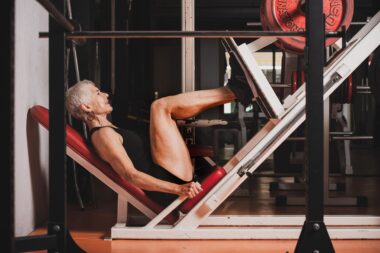
In discussions about enhancing endurance, understanding the physiological changes related to aging is essential. As people age, their muscle mass naturally declines, leading to lower energy levels and endurance capacity. However, it’s vital to acknowledge that while some decline is inevitable, targeted exercise can mitigate many unfavorable changes. Strength training, for instance, can effectively counteract loss of muscle and increase functional ability. Senior-friendly exercises, performed with appropriate modifications, allow individuals to maintain joint health, balance, and strength. Low-impact options reduce strain on the body while promoting cardiovascular and muscular endurance. Activities like water aerobics particularly benefit seniors due to buoyancy reducing the risk of injury. Moreover, consistent endurance training stimulates the production of certain hormones that assist in energy regulation, providing a natural boost to stamina. Flexibility exercises should be incorporated to maintain a full range of motion and overall body function. Importantly, consulting healthcare providers before starting any exercise program is crucial, especially if pre-existing health conditions exist. An individualized approach tailored to one’s fitness level and health needs is more effective than one-size-fits-all programs.
Dietary Considerations for Endurance
Nutrition plays a vital role in enhancing endurance levels, particularly in older adults. A balanced diet enriched with vital nutrients supports any physical activity effectively. It is essential to consume adequate carbohydrates, which are the primary source of energy during exercise. Whole grains, fruits, and vegetables provide the necessary fuel and should be the foundation of any meal plan aimed at improving stamina. Protein is equally important, as it assists in muscle recovery and strength maintenance. Including sources such as lean meats, legumes, or plant-based proteins is advisable. Healthy fats from nuts, seeds, avocados, and olive oil also contribute to overall energy levels without sacrificing health. Hydration cannot be overlooked; seniors should drink water consistently throughout the day to maintain optimal bodily functions. Dehydration often leads to fatigue and reduced stamina. Instead of high-calorie sports drinks, simply water or homemade smoothies can effectively meet hydration needs. Additionally, timing meals around workout sessions can maximize energy availability and recovery. Listening to one’s body and adjusting food intake to energy expenditure supports sustainable endurance enhancement.
Social interaction is another crucial element for maintaining endurance and overall well-being. Engaging in group exercises or community activities not only increases motivation but also provides accountability. When seniors work out with peers, they often enjoy their efforts more, leading to sustained commitment. Encouragement from others can help overcome psychological barriers to workout adherence. Additionally, many communities offer services and programs targeting senior fitness, providing a resource for maintaining active lifestyles. Participating in local events fosters a sense of belonging and purpose. Furthermore, setting up exercise sessions with friends encourages a routine while keeping the mood light and enjoyable. Finding a workout buddy can make all the difference. It transforms solitary exercise into a social occasion, increasing one’s engagement and commitment to fitness. Moreover, communication in group settings creates shared goals, enhancing individual determination to improve stamina. The combination of physical activity and social connectivity leads to greater satisfaction in maintaining an active lifestyle. Thus, incorporating social aspects into fitness regimens is essential for promoting robust health and long-term endurance improvements.
Monitoring Progress
Monitoring progress in endurance training is vital to achieve set goals effectively. Tracking improvements encourages motivation and commitment to a fitness program. Seniors can journal their workouts, noting distance, duration, and sensations experienced during each session. This practice not only reveals patterns in performance but also helps identify areas needing adjustment. Apart from written logs, technology can assist in tracking physical activity; fitness apps often feature progress analytics and reminders keeping users engaged. Regularly scheduled fitness evaluations can guide the process, ensuring the exercise programs remain effective. Sharing achievements with family or friends creates social reinforcement, rewarding progress. Creating benchmarks based on personal goals enables seniors to celebrate milestones along the way. Acknowledging even small accomplishments builds positive associations with fitness, encouraging continued engagement. Finding enjoyment in working towards these milestones ultimately enhances overall endurance. Adjusting workout plans based on feedback is necessary for preventing plateaus in progress. Regular reassessment of endurance levels can help tailor exercise programs according to evolving abilities and health statuses, ensuring a sustainable approach to improving stamina across the aging process.
In conclusion, combating age-related decline in endurance requires a holistic approach involving consistent exercise, proper nutrition, social interaction, and regular monitoring. Each component contributes significantly to enhancing stamina and overall health in seniors. Engaging in diverse activities can prevent monotony and keep individuals motivated. Moreover, knowledge of one’s body and history is crucial, enabling informed decisions about physical activities. Seniors should consult healthcare professionals before embarking on new fitness journeys, ensuring their plans align with personal health needs. Life transitions can influence physical capabilities; therefore, maintaining flexibility within plans is important. Adapting to ongoing changes in stamina is essential for ongoing improvement. Celebrating achievements, regardless of size, fosters a positive environment conducive to progress. Join local fitness groups or online communities that share interests in physical health and endurance. It equips seniors with valuable motivation and resources. Additionally, remaining patient is necessary; gradual, sustainable improvements take time. Redefining personal goals and expectations along the journey can empower seniors to embrace their fitness narratives. Ultimately, active participation in maintaining endurance leads to a healthier, happier lifestyle in the golden years.