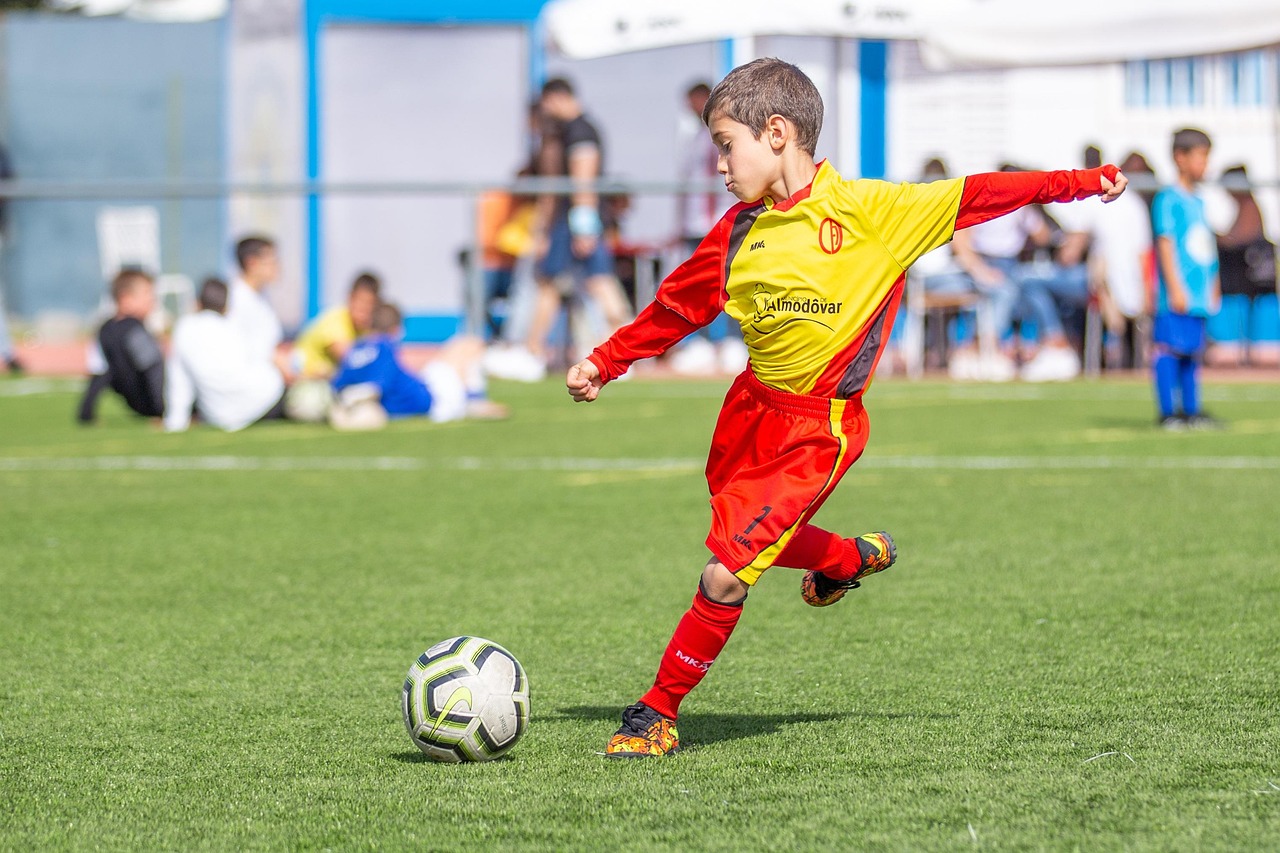

Utilizing Social Media Analytics to Discover Emerging Sports Talents
The landscape of sports analytics has dramatically transformed with the advent of social media. Various platforms serve as rich reservoirs of information, waiting to be mined by astute talent scouts and analytics professionals. By harnessing the power of social media analytics, organizations can effectively identify emerging sports talent. These analytics provide insights not just into the athletes’ physical performance but also their engagement levels, fan following, and overall influence in their respective sports. Athletes regularly share training routines, game highlights, and personal achievements, creating a digital footprint that can be analyzed. This footprint presents an invaluable opportunity for teams to evaluate future prospects based on quantifiable data rather than solely traditional scouting techniques. By employing algorithms that sift through vast data, teams can discover hidden gems who may otherwise remain under the radar. It’s essential to remain adaptable, as trends within social media are ever-changing, which can impact how talents are perceived and engaged. Increased online visibility can effectively elevate budding athletes into stardom with the right analysis, education, and support. Utilizing these emerging technologies can yield fantastic results in identifying promising talents within the sports industry.
The role of social media in sports talent identification extends beyond just analytics; it involves establishing a robust online presence. An athlete’s ability to cultivate personal branding through social media can significantly influence their opportunities. Young athletes leveraging platforms such as Instagram, Twitter, and TikTok can showcase their skills and gameplay to a global audience. Engaging content can attract the eyes of coaches, scouts, and sponsors who are continuously searching for fresh talent to recruit. By actively participating and interacting with fans online, these athletes create a community that can provide organic growth and support. For example, hashtags, video clips, and live streams can draw instant attention, fostering potential sponsorships and invitations to larger leagues. Furthermore, organizations looking to scout talent increasingly rely on indicators such as follower engagement and viral content for their assessments. This digital observation offers unprecedented insight into character, ambition, and work ethic. By utilizing these factors, teams can build a well-rounded profile of potential recruits, ultimately ensuring that they make informed decisions when hiring players. In essence, social media provides a front-row seat to performance and personality, establishing an immediate connection between athletes and scouts.
The Data-Driven Approach
Analyzing social media posts requires a data-driven strategy that focuses on various metrics to determine an athlete’s potential. Key performance indicators (KPIs) such as engagement rates, number of followers, and shareable content types enable scouts to evaluate athletes more accurately. Tools like sentiment analysis can decode public perception and popularity based on interactions. This information can help teams identify not only skilled athletes but also those who resonate with fans and cultivate a positive image. By linking these analytics with traditional evaluation methods, organizations can create comprehensive profiles showcasing both on-field and off-field capabilities. Such integration of analytics facilitates smarter decisions in recruitment, as talent scouts can discern nuances in an athlete’s progression, such as aspiration and competitive spirit. Furthermore, social media allows the tracking of an athlete’s growth over time, providing invaluable context behind their performance. Identifying trends means recognizing patterns before they fully manifest, which is essential for teams seeking long-term success and sustainability. This evolving dynamic has redefined how teams assess talent and make critical decisions about investments—both financial and developmental—ultimately transforming the sports recruitment landscape.
Moreover, the analysis of diverse content, such as training videos or health updates, can provide profound insights into an athlete’s dedication and commitment. Athletes who consistently document their training regimen, fitness journey, and game experiences may stand out in the talent pool. Scouts can gauge the athlete’s tenacity through their practices and adherence to nutrition, as reflecting a strong work ethic often influences long-term success. Additionally, observing news articles, interviews, and grassroots engagement can enhance insights into an athlete’s personality. A player’s demeanor during interviews, response to challenges, and ability to handle pressure reveals vital characteristics that statistics alone may not capture. Hence, interpreting this rich tapestry of information gives organizations a holistic understanding of potential recruits. Furthermore, emotional intelligence and teamwork are increasingly important, and these attributes can be analyzed through athletes’ social media interactions with peers and followers. Platforms can serve not only as showcasing arenas but also as character evaluation tools. These attributes can set players apart, showcasing their readiness to integrate into teams. By embracing this multifaceted talent identification process, organizations can effectively recruit athletes who align with their values and ambitions.
Engagement and Community Building
One of the significant advantages of social media analytics is the ability to build a community around emerging sports talents. As athletes engage with fans and other players, they create an interactive environment that strengthens their personal brand. Participation in this community fosters connections, allowing scouts to observe talent in action during grassroots competitions, youth leagues, and exhibitions. Communication through platforms not only promotes personal growth but also establishes credibility among peers and fans. By engaging the audience, athletes collect valuable feedback and encouragement to improve their skills. Furthermore, teams can cultivate a relationship with potential recruits, establishing rapport before formal interactions. For instance, connecting with emerging talents through online challenges or collaborative content can enhance visibility and give insights into a player’s creativity and adaptability. Social media can serve as an ideal platform for networking, pushing athletes to connect with industry professionals and fellow players. Additionally, these connections can lead to mentorship opportunities, which are vital for career growth and guidance. By strategically utilizing social media analytics, organizations can identify how well an athlete integrates into the community and their potential future contributions, supporting both engagement and talent development.
In conclusion, social media analytics plays a pivotal role in the evolution of talent identification models. By uncovering the potential of emerging sports talents through innovative methods, organizations can gain a competitive edge in recruiting processes. Leveraging platforms offers fresh perspectives and new strategies to evaluate not just physical skills but also personality traits that influence an athlete’s overall fit within a team. In today’s digital age, scrutiny of an athlete’s social media activity has become integral to an organization’s scouting efforts. Integrating these new models enhances traditional scouting practices, enabling teams to make informed decisions based on robust data. The importance of analyzing social interactions and narrative-building will only grow. As athletes continue to express themselves online, their digital presence becomes an essential factor driving their potential recruitment. Organizations that prioritize social media analytics in their recruitment strategies can uncover talent that might otherwise be overlooked. This shift in focusing on digital footprints presents an opportunity for athletic organizations to evolve their approaches, embrace innovation, and optimize their search for future sports stars. Ultimately, this highlights the transformative capacity of social media in enhancing the sports landscape and identifying the next generation of champions.
Future trends indicate an exciting evolution in the role of social media analytics within sports industry talent identification. As technology improves, predictive analytics utilizing machine learning and artificial intelligence will refine how teams identify promising talent. For instance, algorithms can analyze historical data from athletes’ social media engagement and performance trends to forecast future developments and potential risks. This predictive capability will revolutionize insight into players, providing deeper access to emotional and contextual factors affecting performance, akin to personal coaches. Moreover, platforms will likely develop enhanced tools enabling scouts to monitor athletes across multiple channels seamlessly. By doing so, teams can receive real-time updates accounting for evolving dynamics in athletes’ performance or social standing. The continuous adaptation to digital trends ensures that organizations remain ahead of competition, able to identify and recruit the best candidates. Additionally, emerging social media platforms that arise may offer novel ways for athletes to engage their fanbase, offering fresh insights to scouts. As platforms evolve, new opportunities will unfold for athletes and teams alike. This landscape will allow for not only enhanced targeting of athletes but also will serve as a basis for ethical recruitment. The future lies in leveraging the full potential of social media for a comprehensive, proactive approach to talent identification in sports.
By recognizing the importance of social media analytics in talent identification, organizations significantly enhance their scouting efficiencies. Hence, equipping talent scouts with proper training and resources to utilize online observation techniques is critical. This means investing in analytics tools and software that yield actionable insights while providing ongoing education on utilizing data correctly. As the evolution of the sports landscape continues, talent identification will benefit substantially from harnessing these advanced analytics practices. Creating a culture that embraces data usage fosters more informed decision-making. Additionally, formalizing departments dedicated to social media scouting can create specialized teams focused on analyzing trends, engagement, and developing relationships with young athletes. This approach not only optimizes recruitment processes but can additionally affirm the organization’s commitment to transparency and authenticity in finding talent. Ultimately, the pathway to successful recruitment is paved by recognizing and adapting to emerging trends in talent identification, and fostering strong relationships with athletes. By embracing this shift, organizations will not only achieve recruitment goals but also contribute to the larger objective of uplifting athletes in their communities, creating an ecosystem that supports lasting success in the sports industry.