
Hydration Strategies for Team Sports: Balancing Body Water Needs
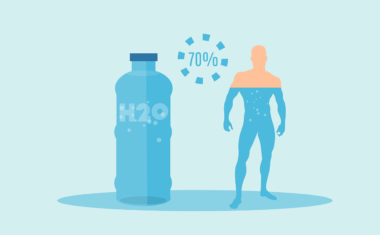
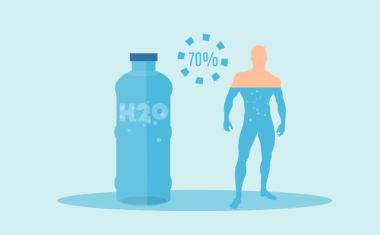
In team sports, maintaining proper hydration is crucial for athletes to perform at their best. Understanding the body’s water balance involves recognizing how hydration affects energy levels, endurance, and recovery. Athletes lose water through sweat during training and competitions, a process that can lead to dehydration. This is especially important as dehydration can lead to decreased performance, higher fatigue levels, and increased injury risk. Therefore, it is essential for athletes to implement effective hydration strategies throughout their activity. Consuming adequate fluids before, during, and after exercise aids in maintaining optimal hydration levels. The challenge lies in determining how much fluid is sufficient based on individual needs, environmental conditions, and exercise intensity. Regular monitoring of body weight changes during training sessions can provide valuable insights into hydration status. Using this data, athletes can develop personalized hydration plans for their needs. Coaches and trainers should educate their teams on these strategies, ensuring they are aware of the signs of dehydration and the importance of being proactive in rehydrating. Implementing these preventive measures can enhance athletic performance significantly in team sports.
Understanding the Role of Electrolytes
Alongside water, electrolytes play a critical role in maintaining the body’s fluid balance. Key electrolytes like sodium, potassium, magnesium, and calcium help regulate hydration, muscle function, and nerve signaling. During intense physical exertion, athletes can lose significant amounts of these essential minerals, affecting performance and increasing the risk of cramps and fatigue. The balance of electrolytes is key to effective hydration as they facilitate fluid absorption. Sports drinks often contain these minerals, which can be beneficial during extended activity, particularly in warm conditions. However, athletes should be cautious about relying solely on sports drinks, as they can also contain added sugars. Instead, they should consider a balanced intake of whole foods and drinks that can replenish both fluids and electrolytes naturally. For example, fruits like bananas provide potassium, while salty snacks can help replenish sodium levels post-exercise. In addition, maintaining a well-rounded diet rich in these minerals can prevent imbalances. Athletes should work closely with nutritionists to develop a tailored eating plan that meets their hydration and electrolyte needs during training and competition.
Hydration needs can vary greatly among athletes due to several factors, including age, weight, gender, and environmental conditions. For instance, athletes playing in hot and humid conditions are likely to lose more fluid through sweat than those in cooler environments. Coaches and training staff should closely monitor athletes during practice and games, particularly when weather conditions are extreme. This may involve regular hydration assessments and planning breaks throughout activities for fluid intake. Additionally, individual preferences play a significant role in hydration strategies; some athletes may prefer water, while others might benefit from flavored beverages. Finding the right beverage that an athlete enjoys and is willing to consume can significantly influence their hydration status. It is essential for teams to incorporate educational sessions on hydration strategies to instill the importance of staying hydrated. Moreover, developing a culture that prioritizes hydration can lead to improved performance. Setting an example from the coaching staff shows athletes that hydration is essential. Coaches can provide clear guidelines on hydration schedules and ensure availability of water or suitable electrolyte beverages during all team activities.
The Importance of Pre-Hydration
Pre-hydrating is a vital component of any athlete’s hydration strategy before engaging in intense training or competition. Consuming an adequate amount of fluids in the hours preceding activity can help optimize performance and delay the onset of fatigue. Athletes should aim to drink fluids regularly throughout the day, rather than just during workouts. A good rule of thumb is to consume about 16 to 20 ounces of water or electrolyte-rich fluids two to three hours prior to activity. This allows the body enough time to absorb and distribute fluids effectively. Gradually rehydrating with additional smaller amounts closer to the start of the activity can also be beneficial. Assessing urine color can provide a quick gauge of hydration status; pale yellow indicates adequate hydration, while dark urine suggests a need for increased fluid intake. Coaches should encourage athletes to make pre-hydration part of their routine, just as they would focus on nutrition. Proper pre-hydration minimizes dehydration risks, enhances performance, and aids recovery. Therefore, integrating these practices in training protocols can lead to sustained athletic success.
During physical activity, rehydration strategies must remain a focus. Providing easy access to water and electrolyte drinks can help prevent dehydration. Coaches should emphasize the importance of regular fluid intake every 15 to 30 minutes during games and practice sessions. Ensuring athletes take micro-breaks to hydrate keeps their performance levels high and keeps fatigue at bay. Incorporating visible reminders, such as hydration stations or scheduled breaks, can help ensure athletes routinely replenish fluids. Additionally, tracking the volume of fluid consumed during practice helps in adjusting hydration plans for the future. Athletes may also benefit from drinking cold beverages, as this can help reduce core body temperature and enhance performance in hot conditions. It is also vital to address individual needs, such as those with higher sweat rates or individuals who need extra electrolytes. Utilizing wearable technology can assist athletes in monitoring their hydration status in real-time. Emphasizing the need to listen to their bodies and prioritize hydration ensures athletes are proactive in developing their personalized hydration strategies suitable for specific sports or positions.
Post-Exercise Recovery and Hydration
The post-exercise recovery phase is equally important for hydration strategies, as fluids lost during activity must be replenished. Upon completion of training or competition, athletes should prioritize rehydration to help speed up recovery times and replace lost fluids. A general guideline suggests that athletes consume at least 16 to 24 ounces of fluids for every pound lost during exercise. Combining hydration with nutrient-rich foods further supports recovery, specifically those containing proteins and carbohydrates. These foods, along with the intake of fluids, help restore glycogen stores and repair muscle tissues affected during exertion. In this phase, athletes can benefit greatly from sports drinks infused with electrolytes, as they not only replace lost fluids but also support optimal recovery. The ultimate goal is to ensure that athletes return to a well-hydrated state before the next practice or game. Coaches should educate athletes on the significance of post-exercise hydration, reinforcing a culture of recovery that prioritizes proper refueling for the next activity. Additionally, clear hydration guidelines should encourage athletes to consistently monitor their hydration status throughout the recovery period.
In conclusion, hydration strategies are essential for athletes, particularly in team sports, where performance can be impacted significantly by proper fluid balance. Educating teams on optimal hydration practices not only empowers individual athletes but also promotes overall team success. By implementing tailored hydration plans, considering individual needs, and incorporating electrolyte management, athletes can maximize performance while reducing risks. Fostering teamwork themes, where hydration becomes a responsibility shared amongst players, strengthens team dynamics. Furthermore, embracing various hydration signals, such as perceived thirst levels and physiological indicators, supports athlete health. As hydration needs evolve with changing conditions and intensities, coaches and trainers must provide continual support for athletes to develop effective strategies. By fostering an environment that values fluid intake, teams can enhance both performance and enjoyment in their sports. Ultimately, understanding body water needs, when to hydrate, and how much to consume ensures that athletes can focus on their performance without the distraction of dehydration. This not only promotes immediate athletic goals but also supports long-term health and well-being, creating a solid foundation for future athletic endeavors.
Final Thoughts on Hydration
In the realm of sports, taking hydration seriously can make all the difference. Team sports often highlight the importance of working together towards common goals – hydration included. Coaches and trainers can lead by example, showing their teams the significance of consistent fluid intake and monitoring hydration status. Building a culture that encourages open conversations around hydration promotes awareness. Athletes who understand their own hydration needs and listen to their bodies are more likely to succeed. Periodically assessing hydration strategies, especially with changes in training intensity or environmental conditions, ensures that athletes remain attuned to their needs. Collaborating with registered dietitians can provide personalized insights and recommendations. Technology, such as hydration apps, can help athletes track their fluid intake and make informed choices. Moreover, hydration education can extend beyond athletes to coaches, parents, and even fans to enhance overall community awareness. Ultimately, well-hydrated athletes are more resilient, capable of performing at elevated levels. As hydration needs differ significantly across individuals, it’s beneficial to embrace flexibility within hydration strategies to ensure everyone stays on top of their game.