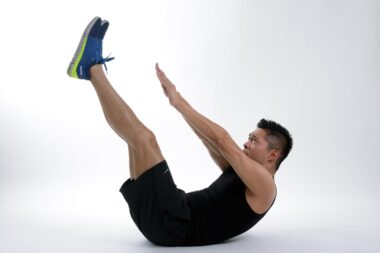

Combining HIIT with Strength Training for Men
High-Intensity Interval Training, or HIIT, has transformed the fitness industry, delivering rapid results by combining intense workouts with shorter recovery times. Men looking to enhance their fitness levels should consider integrating HIIT with strength training for optimal muscle growth and durability. This powerful combination can elevate metabolism, boost cardiovascular health, and lead to a greater calorie burn in a shorter time. HIIT involves performing short bursts of intense exercise followed by rest or low-intensity activity, providing a full-body workout suitable for various fitness levels. To effectively integrate HIIT and strength training, men should plan their routines to balance intensity with appropriate strength exercises. Begin by alternating between HIIT and weight training days for a well-rounded approach. Additionally, implementation of compound movements like squats, deadlifts, and bench presses will maximize the effectiveness of both training styles. Remember, nutrition and proper recovery are crucial elements in this effective training blend, helping to fuel workouts and repair muscle tissues. Be proactive in adjusting your routines and listen to your body to achieve the best results from your combined HIIT and strength training regimen.
As you embark on a journey that combines HIIT and strength training, it’s valuable to set clear fitness goals tailored to your needs. What do you hope to achieve? Defining your objectives can provide motivation and direction, whether you aim for improved endurance, muscle gain, or weight loss. It’s essential to structure your workouts smartly, ensuring you include exercises that challenge both your aerobic and anaerobic systems. For an efficient schedule, structure your HIIT sessions to focus on various muscle groups while incorporating strength training to maintain balance across your body. For instance, mix upper body HIIT drills with lower body strength workouts on alternating days. You can use as little as 20 to 30 minutes for your HIIT sessions, allowing you to maximize efficiency without compromising results. Focus on maintaining proper form during strength exercises to prevent injury when pushed to your limits. Recovery is equally important; allocate rest days to allow your body to recuperate and grow stronger. Furthermore, a balanced diet rich in protein and healthy carbs will empower your combined training, ensuring you stay energized and motivated throughout your workouts.
Incorporating a warm-up routine is imperative before engaging in any HIIT or strength training sessions. A proper warm-up prepares your body by increasing blood flow to your muscles and enhancing flexibility. Consider dynamic stretches, light jogging, or cycling to gradually elevate your heart rate. Such preparatory work will enable your muscles to perform optimally during intense workouts while reducing the risk of injury. Following your HIIT and strength workouts, don’t underestimate the importance of a cooldown and stretching session. This aids in gradually lowering your heart rate and helps prevent soreness, ultimately promoting better recovery. Additionally, pay attention to your body’s signals during your workouts. HIIT can be demanding, and pushing past your limits may lead to fatigue or injury. Implement modifications to exercises if needed, ensuring you maintain an effective workout while staying safe. Hydration should also be prioritized during and after your training sessions. Adequate water intake will help sustain energy levels and enhance performance. As you progress, continue to challenge yourself by tweaking your routines or focusing on advanced variations of both HIIT and strength training exercises.
The Role of Recovery in HIIT and Strength Training
Don’t underestimate the significance of recovery when combining HIIT with strength training. Recovery is central to effective workout regimens because it not only facilitates muscle repair but also enhances performance in subsequent training sessions. Allowing your muscles sufficient time to recover leads to hypertrophy—an increase in muscle size, strength, and overall endurance. Aim for at least one to two rest days weekly where you focus on light activities such as walking or yoga, which can boost circulation and flexibility. Nutrition plays a crucial role in recovery; consume a balanced meal rich in protein immediately after your workouts to support muscle synthesis. Other crucial recovery techniques include getting adequate sleep, maintaining hydration, and utilizing foam rolling or massage therapy to alleviate muscle tension. It’s also essential to listen to your body closely; watch for signs of overtraining, such as continuous fatigue, irritability, or diminished performance. If you notice any of these symptoms, adjust your workout intensity accordingly. Prioritizing recovery will ultimately lead to better results and a more sustainable fitness journey, allowing you to fully reap the benefits of integrating HIIT with strength training.
One of the most appealing aspects of combining HIIT with strength training for men is the variety and adaptability it offers. Both HIIT and strength exercises can be tailored to fit different environments, whether you choose a gym, home, or outdoor settings. This versatility enables you to maintain consistency in your workouts, allowing you to explore various types of equipment like bars, dumbbells, or resistance bands. Additionally, there’s a vast array of workout styles, from bodyweight exercises to Olympic lifts, ensuring your training remains engaging. Encourage a mindset of openness to experimenting with new workout formats, incorporating team training sessions or even virtual group classes. This will enable you to stay committed while fostering a supportive workout community. Mix things up by changing your HIIT duration, intensity, or strength training exercises to keep your body continuously challenged. By utilizing apps or fitness trainers, you can receive guided workout routines, track your progress, and discover exciting new ways to combine training. Always celebrate small victories and stay motivated to push yourself beyond your limits in your unique path to fitness success.
Best Practices for Combining HIIT with Strength Training
When successfully merging HIIT with strength training, consider adopting best practices that maximize the benefits of each training style. First and foremost, prioritize balancing your workouts across the week, ensuring you dedicate time to both aerobic and anaerobic exercises. Schedule your sessions strategically, placing HIIT workouts at least 48 hours apart from strength sessions targeting the same muscle groups to prevent fatigue and overtraining. Implement supersets—performing two exercises back-to-back without rest—to efficiently combine strength training within your HIIT workouts. This technique not only minimizes rest time but boosts metabolic outcomes, leading to improved fat loss. Additionally, focus on varying your workout intensity, allowing you to adapt your routines based on how your body feels. Strength training should emphasize lifting heavier weights for lower repetitions, while HIIT should prioritize short bursts of maximum intensity efforts. Focus on progressive overload techniques to consistently challenge yourself and promote muscle adaptation over time. Implementing these best practices will redesign your exercise regimen and elevate overall fitness levels while keeping your workouts fresh and dynamic.
Lastly, creating a supportive and motivating environment will significantly impact your ability to maintain a combined HIIT and strength training routine. Surrounding yourself with like-minded individuals can foster accountability, making it easier to stick to your commitments toward fitness goals. Consider working out with a partner or joining fitness groups where you can engage in HIIT or strength training together. These social interactions cultivate camaraderie, encouragement, and shared knowledge, enhancing your overall experience. Leverage innovative resources such as online forums or apps dedicated to fitness; they provide motivational content and help track workout progress. Integrating challenges and fitness competitions into your routine keeps your motivation levels high as you strive for personal bests while participating within the fitness community. Additionally, celebrating milestones, big or small, will reinforce positive habits and keep you focused on sustaining your HIIT and strength training plans. Consistency is key, so whether you’re on a scheduled session or just an impromptu workout, each moment should cultivate growth in strength and endurance as you redefine your fitness levels on your terms.