
The History and Evolution of Meditation Retreats in Mindfulness Culture
Meditation has roots that trace back thousands of years, originating in ancient spiritual traditions. Initially practiced in Eastern cultures, it aims to cultivate awareness and promote mental clarity. As society evolved, so did its perception of meditation. By the mid-20th century, interest in meditation and mindfulness began to spread westward. Western seekers explored various Eastern philosophies, leading to an increase in demand for meditation retreats. These retreats provided dedicated spaces away from distractions to deepen one’s practice and connection to self. From small Buddhist monasteries to expansive wellness centers, retreats offered almost any participant the opportunity to immerse themselves in practices meant to promote tranquility. Today, you can find them worldwide, catering to individuals of all backgrounds. People increasingly recognize the importance of taking time off to rejuvenate. The environment at a retreat often emphasizes silence and simplicity, allowing participants to engage in self-reflection and mindfulness. Various activities, such as yoga, teachings, and nature walks cultivate healing experiences. Overall, the history of meditation retreats reflects significant cultural shifts toward self-care, personal development, and spiritual exploration that resonate with many in today’s fast-paced world.
Over the years, meditation retreats have transformed, adapting to the needs of modern practitioners. Traditional Buddhist retreats typically included lengthy vows of silence, rigorous meditation, and strict daily schedules. In contrast, contemporary retreats often blend various teachings and modalities of mindfulness. Some focus on relaxation and stress reduction, while others emphasize personal growth or spiritual development. This shift is indicative of the broader acceptance of mindfulness practices in mainstream culture. Now, retreats may incorporate art, music, or even fitness activities, making them feel more approachable to newcomers. Consequently, the range of options available today appeals to a wide audience looking to explore their inner selves. Many retreats now offer various styles for participants, such as silent versus guided practices. Additionally, there’s often an emphasis on integrating meditation into everyday life, rather than seeing it as merely a temporary escape. This approach has fostered a strong community around mindfulness, encouraging support and connection among participants. While rooted in tradition, the evolution of meditation retreats showcases their adaptability in addressing the growing popularity of self-care practices and addressing the diverse needs of a global audience.
Types of Meditation Retreats
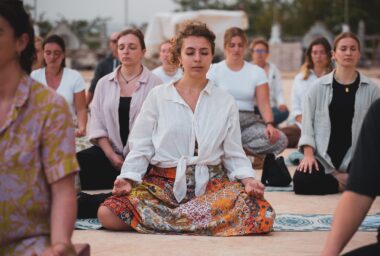
Meditation retreats come in various formats, each with unique focuses and timeframes, providing diverse experiences. These range from weekend getaways to month-long silent retreats. Many people appreciate shorter retreats where they explore different practices but can quickly return to their day-to-day lives. Others feel drawn toward immersive experiences that challenge their comfort zones. Various styles cater to different preferences. For instance, Vipassana retreats emphasize silent meditation, while Zen retreats might focus on sitting meditation combined with mindfulness in movement. Some retreats delve into specific themes, like compassion or forgiveness, guiding participants through targeted practices. Additionally, many centers now offer online retreats, expanding accessibility for those unable to travel. This digital adaptation exemplifies how meditation continues to evolve with technology. Furthermore, retreats often cater to specific demographics, such as women, seniors, or those in recovery, ensuring inclusivity within the meditation community. Participants can choose experiences that resonate with their personal identities and preferences. No matter the format, the underlying goal remains consistent: to foster inner peace, mindfulness, and self-awareness in an increasingly chaotic world.
As the interest in meditation retreats grows, so does the awareness surrounding their potential psychological benefits. Research has demonstrated that mindfulness practices can lead to reduced stress, improved emotional regulation, and enhanced overall well-being. Retreats often serve as powerful catalysts for change, offering a conducive environment to cultivate stress management techniques. Participants frequently report profound insights and perspectives gained during their time away from the outside world. Furthermore, this practice can help individuals process traumatic experiences and build resilience. Essentially, meditation retreats become healing spaces, allowing individuals to confront inner struggles and foster self-compassion. The supportive community often plays a vital role in this process. Sharing experiences can provide validation and connection in a collective journey towards self-discovery. The relationships formed during retreats frequently extend beyond the experience, fostering partnerships that encourage ongoing mindfulness practices. Research indicates that practicing mindfulness contributes to better interpersonal relationships and emotional health, making the communal aspect of meditation retreats invaluable. As individuals continue recognizing their need for mental health support, meditation retreats may provide essential tools to navigate life’s challenges more effectively.
Mindfulness and Creativity
Another aspect of meditation retreats is their potential to enhance creativity. Many participants acknowledge that engaging in mindfulness practices sparks inspiration and novel ideas. By cultivating a focused yet relaxed state of mind, individuals often find that their creative juices flow more freely. Retreats provide time and space away from daily distractions, yielding opportunities for deep reflection and exploration of one’s passions. Various centers may incorporate artistic activities, such as painting or writing workshops, to facilitate this creative blossoming. Ultimately, meditation often proves to be not only a tool for relaxation but also a means of unlocking hidden talents and passions. Through the marriage of mindfulness and creativity, people can reconnect with their authentic selves, uncovering aspirations that may have laid dormant. This unique atmosphere inspires individuals to tap into their creative potential, promoting a sense of achievement and fulfillment. The blend of mindfulness and artistic expression during retreats illustrates the many dimensions of meditation practice, suggesting that one can develop deeper connections with themselves while refocusing their energy toward creative endeavors.
Moreover, the concept of mindfulness often extends beyond the duration of a retreat, with individuals seeking ways to incorporate teachings into their daily routines. Many participants express a longing to maintain their newfound clarity and calmness upon returning to their busy lives. With this goal in mind, meditation retreats commonly teach practical techniques that can be easily adapted at home. For example, attendees often learn various meditation techniques, breathing exercises, and mindfulness practices that can become a part of their daily routine. Many retreat centers provide follow-up support through online resources or community-based events, enabling ongoing engagement with fellow participants. This effort not only fosters accountability but also encourages deeper integration of mindfulness practices. Emphasizing the continuity of experience enables participants to sustain their mindfulness journey in the long-term. As individuals endeavor to intertwine mindfulness with their busy lifestyles, they may experience the benefits of increased presence and awareness. This transition highlights the importance of making mindfulness a sustainable practice rather than a momentary escape, reinforcing the ongoing need for self-care in daily life.
The Future of Meditation Retreats
Looking toward the future, meditation retreats are likely to continue evolving alongside societal needs. As more individuals prioritize mental wellness, retreats may adapt to the shifting landscape of spirituality and self-care. Increasingly, retreat centers may incorporate unique themes, such as environmental sustainability or social justice, appealing to ecologically and socially conscious participants. The growing demand for personalized experiences in meditation will likely influence the diverse programming offered. As technology plays an ever-increasing role in daily lives, the fusion of retreats with digital platforms may also expand. Interactive online workshops could provide global access, enriching the availability of mindfulness and meditation knowledge. This evolution may help foster a wider reach, ensuring that meditation remains accessible to everyone regardless of their physical location. The need for communal and supportive environments will continue guiding the growth of meditation retreats. As individuals navigate through an unpredictable world, connecting with like-minded individuals who share similar values creates a sense of belonging and meaningful shared experiences. Thus, the future of meditation retreats promises exciting developments, reinforcing their significance in promoting mindfulness and emotional well-being.
In conclusion, the history and evolution of meditation retreats in mindfulness culture reflects the growing appreciation for self-awareness and mental health support. From their traditional beginnings rooted in ancient practices to the adaptive forms present today, these retreats offer individuals opportunities for introspection, personal growth, and healing. As society increasingly recognizes the importance of well-being, meditation retreats continue to expand their reach worldwide, embracing a diverse audience. With an emphasis on transforming experiences, creativity, and community, these retreats are poised to play a significant role in shaping the mindfulness landscape in the years to come. Participants can leave retreats equipped with the tools necessary to navigate life’s challenges, armed with newfound awareness and insights. Overall, the ongoing journey of meditation retreats exemplifies the profound impact that cultivating mindfulness can have on individuals and communities alike. The quest for inner peace and balance is universal. As such, embracing the varied forms of meditation retreats ensures that people have the chance to heal, grow, and connect in an ever-changing world.