
Benefits of Single-Arm Kettlebell Rows for Symmetry
Kettlebell rows, especially the single-arm variation, are especially effective exercises. They not only enhance muscular strength but also promote muscular coordination. This type of row isolates each side of the body, which develops imbalances. With improved strength and stability from single-arm kettlebell rows, individuals notice enhanced performance in other exercises. Building a healthier body leads to improved overall fitness as well. One major benefit is the improvement in core stability, which is crucial because the exercise requires balance. Furthermore, stronger and well-coordinated core muscles lead to enhanced performance in a range of activities. Engaging the lateral stabilizers during the movement yields overall better strength. Single-arm kettlebell rows also generate increased time under tension for target muscles. This results in greater hypertrophy; the muscles grow larger and stronger over time. Notably, engaging multiple muscle groups, including the back, biceps, and shoulders, during a single movement creates a functional and holistic approach to strength training. Therefore, incorporating this exercise into a workout regime fosters a well-rounded fitness level and balanced muscular development.
Enhancing Muscle Symmetry
Single-arm kettlebell rows contribute to muscle symmetry by targeting one side at a time. Muscle imbalances can occur due to various reasons, including a dominant or underused side. Using kettlebells, every row focuses on activating the latissimus dorsi, rhomboids, and traps independently. This independence encourages equal muscle development across both sides of the body by addressing weaknesses. Consequently, individuals often find improved aesthetics when their back muscles are symmetrically developed. Enhanced aesthetics can lead to increased confidence and motivation, which often enhances workout performance. Integrating single-arm kettlebell rows into a regular training program significantly enhances upper body development. Furthermore, by executing the exercise with proper technique and form, athletes avoid compensating with stronger limbs. Instead, they foster a balanced approach, crucial for injury prevention and injury management. To maximize the benefits of kettlebell rows, varying the tempo can be effective. Slowing the movement down allows for greater muscle activation, enhancing the overall efficacy of the exercise. These benefits assure a comprehensive workout sessions that focus on strength, symmetry, coordination, and overall body balance.
Engaging a wide variety of muscle groups during the single-arm kettlebell row aids functional strength. Functional strength pertains to enhancing the body’s capability to perform daily activities more efficiently and effectively. This is particularly important for athletes and fitness enthusiasts alike. An effective workout routine should focus not only on aesthetics but overall physical performance. By incorporating kettlebell rows, practitioners witness gains in grip strength, which is essential for all pulling movements. Proper grip strength supports better lifting techniques, which ultimately translates into improved performance across various lifts. Additionally, using kettlebells demands heightened focus and control, further improving muscle coordination. Mastering coordination elevates movement efficiency, making exercises easier. As the body learns to adapt to movements, individuals notice less fatigue during workouts. A more resilient body leads to sustainable longevity in training. The continuous practice of kettlebell rows also builds cardiovascular endurance, especially when performed with high repetitions. With an elevated heart rate during the exercises, metabolic benefits are prominent. Thus, including single-arm kettlebell rows into fitness routines promises improvement across diverse areas such as muscular strength, stability, coordination, and endurance.
Improving Posture and Alignment
Another significant benefit of single-arm kettlebell rows is their positive impact on posture and spinal alignment. Modern lifestyles often result in sedentary habits, leading to poor posture. Incorporating kettlebell rows develops crucial back muscles that support proper alignment. Stronger back muscles translate to better posture, which positively affects bodily function and overall health. Good posture influences biomechanics, resulting in less strain on the body. Furthermore, the engagement of core muscles during kettlebell rows promotes better spinal stability. This is essential for athletes and everyday individuals alike, as it can reduce the risk of injury. Practicing good posture has mental benefits, such as improved focus and productivity. Improved alignment also aids breathing by naturally positioning the ribcage. Effective breathing ultimately leads to enhanced performance during workouts. Those who experience chronic back pain may also find relief through increased strength from kettlebell rows. Strengthening the supportive muscles around the spine provides a buffer against discomfort. Overall, performing single-arm kettlebell rows cultivates not only symmetry and strength but also sound posture and body awareness.
Single-arm kettlebell rows serve as a versatile addition to any workout regimen. Being adaptable, they fit seamlessly into different training styles, including strength, circuit, and even HIIT workouts. This versatility is crucial for avoiding workout plateaus and maintaining engagement. Adaptation ensures that muscles are constantly challenged, maximizing growth and strength gains. Additionally, they can be modified to fit individual fitness levels. Beginners may start with lighter weights, while advanced practitioners can opt for heavier kettlebells to push their limits. The potential for progressions makes these rows a long-term exercise benefit. Also, integrating kettlebell rows into warm-ups or cool-downs enhances movement patterns, preparing the body for more intense sessions. The exercise can be performed with varied stances and grip positions, leading to continuous diversity. Whether performed as part of a home workout or in a gym setting, single-arm kettlebell rows enhance myriad facets of fitness. This makes them a staple for both seasoned athletes and beginners. It is essential to ensure proper form during exercise to maximize the benefits and reduce the risk of injury.
Incorporating into Workouts
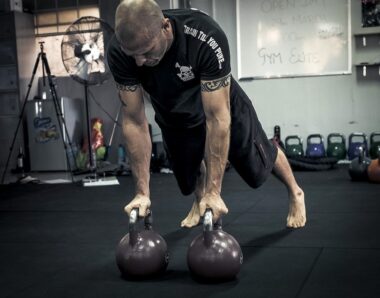
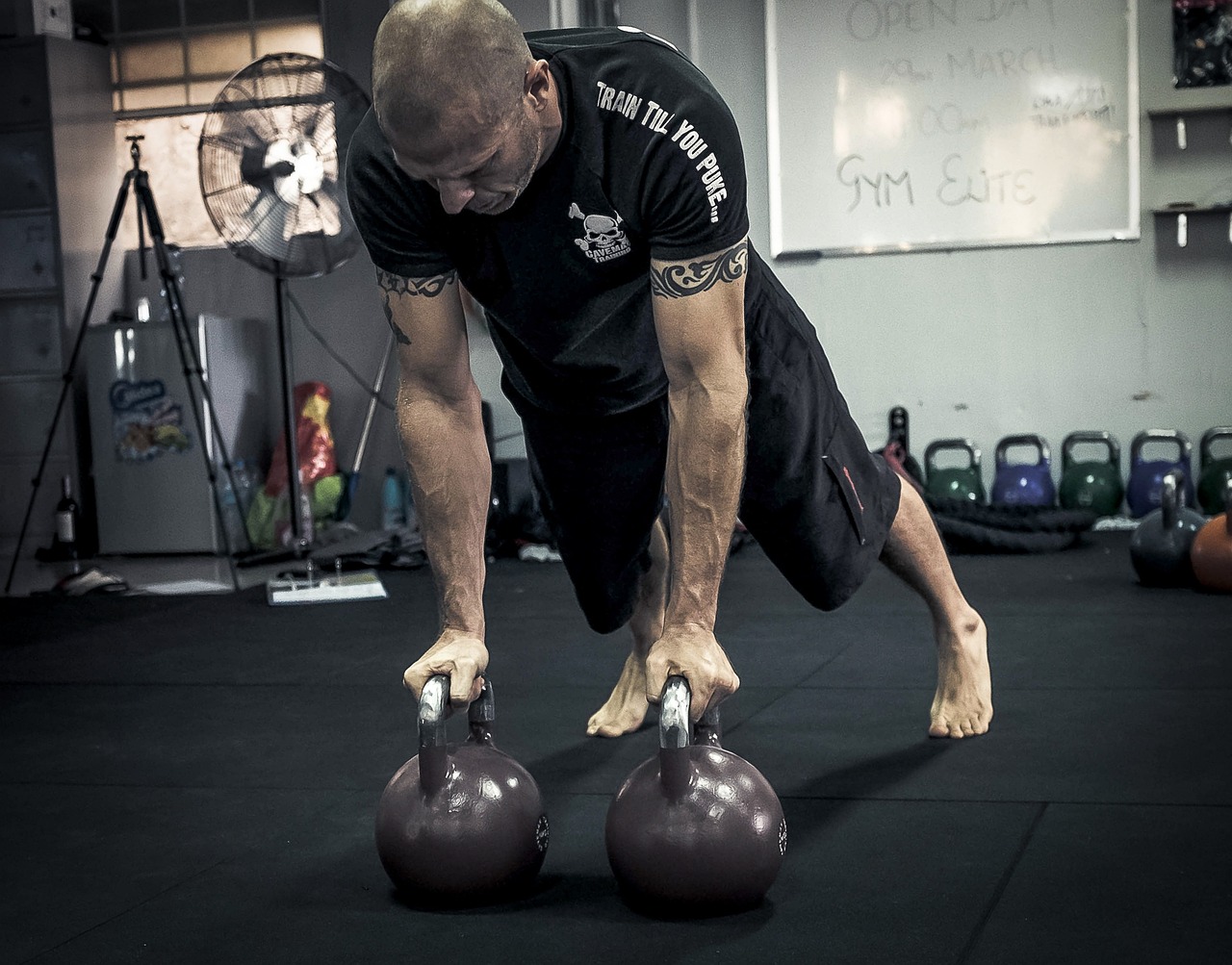
Incorporating single-arm kettlebell rows into workout routines is straightforward. Start by integrating them into upper body days or mix them into full-body workouts for balanced strength development. However, maintaining adequate recovery time is vital, as the rows can be quite taxing on the muscles. For those focusing on hypertrophy, performing three to four sets of eight to twelve repetitions is effective for promoting muscle growth. Conversely, individuals aiming for endurance may select higher repetitions, up to twenty. Additionally, pairing kettlebell rows with complementary exercises enhances their effectiveness. Exercises such as push-ups or planks can reinforce the targets while varying the movement patterns. Utilizing supersets or circuits can keep workouts fresh and engaging while also maximizing overall benefits. Each individual should listen to their body and adjust weights and repetitions accordingly. Proper modifications ensure sustainable and long-lasting fitness progress. Moreover, incorporating variations of the kettlebell rows, such as supported rows or renegade rows, can provide unique challenges and benefits. The diversity leads to equilibrium in muscle growth and enhances overall workout enjoyment.
Always prioritize safety and proper form when executing kettlebell rows. The benefit of strength training is irrevocably linked to utilizing the correct technique. Poor form can lead to injuries, negating the exercise’s advantages. Ensuring alignment during the exercise allows users to benefit fully from the movement; proper positioning yields effective engagement of target muscles. Start with lighter weights until you establish a solid foundation in technique and form. Focus on using controlled movements to maximize the contraction in targeted muscles and ensure overall stability. Moreover, being mindful of breathing patterns can enhance performance; inhaling while lowering and exhaling while pulling the kettlebell up is essential for oxygen delivery. This attention to detail empowers practitioners to excel in strength training and mental awareness. Finally, practicing safe lifting techniques will promote recovery. Consistent practice leads to better form, which is pivotal for strength development and injury prevention in the long run. Therefore, increasing overall strength through consistent training while ensuring the correct form should be a top priority for anyone engaging in kettlebell training.