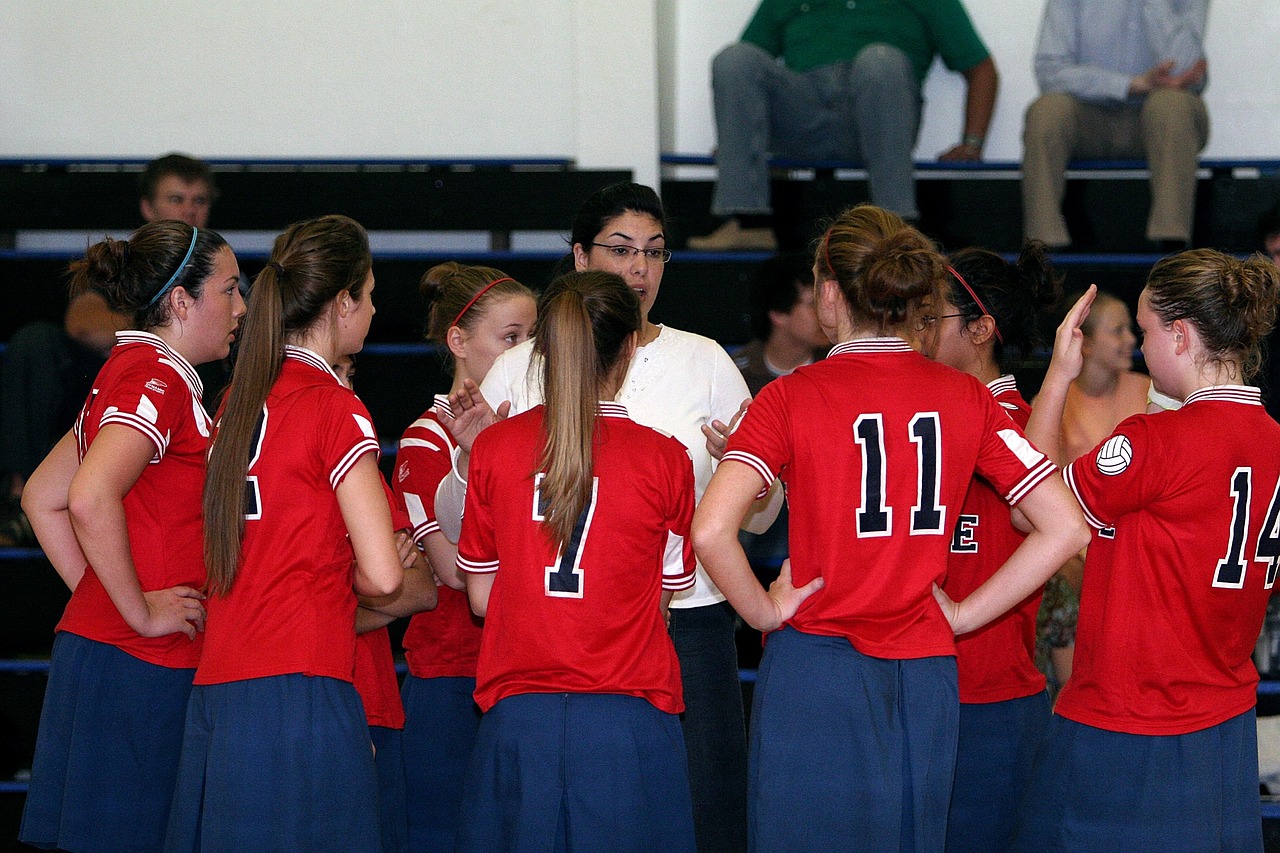

The Importance of Leadership in Volleyball Tactics
In any volleyball team, leadership plays a pivotal role in shaping tactics and executing strategies on the court. A well-defined leadership structure allows teams to navigate challenges during matches with agility. Coaches and team captains often guide players, ensuring everyone understands their roles clearly. By encouraging open communication, leaders foster a collaborative environment, which enhances overall performance. Effective leaders also recognize individual strengths and weaknesses, often assigning specific roles based on these factors, which may lead to improved team dynamics. Tactically, leaders must instill confidence in players, empowering them to make quick decisions under pressure. They review gameplay regularly, highlighting areas for growth—both on individual and team levels. This proactive approach to leadership enables teams to adapt their tactics in response to opponents’ strategies. Developing leadership skills among players can create future leaders within the sport, ensuring sustainable success. Emphasizing leadership in volleyball can thus lead to better teamwork, improved skills execution, and heightened morale, ultimately resulting in a more cohesive and effective playing environment—crucial elements in winning matches and achieving long-term goals.
To further enhance tactical effectiveness, leaders should focus on developing the right mindset in their players. Building a resilient team psychology allows athletes to recover from setbacks quickly. Leaders can instill a growth mindset, urging team members to view challenges not as obstacles but as opportunities for growth. Through targeted training sessions, drills can be tailored to emphasize tactical awareness, further nurturing this mentality. Additionally, focusing on fostering positive relationships between players contributes to a united front during competition. Open lines of communication promote trust among teammates, essential for effective tactical execution. When players feel confident in each other, decision-making becomes more fluid. Regular team meetings provide platforms for discussing strategies and addressing concerns, promoting a culture of inclusivity. All team members should feel valued, laying a solid foundation for collaboration. Leader involvement in nurturing emotional intelligence among players can significantly refine team dynamics. Recognizing the emotional pulse of the team equips leaders to manage stress during intense moments. Hence, investing time and effort into cultivating psychological resilience and interpersonal relationships is vital for successful volleyball tactics.
Role of Communication in Volleyball Tactics
Effective leadership in volleyball heavily relies on clear communication among team members. Leaders, therefore, shoulder the responsibility of fostering an environment where every player feels heard. This can drastically improve understanding of team tactics and enhance execution during games. Regular team reflections focusing on communication styles can further develop this dynamic. Emphasizing verbal and non-verbal cues allows the team to anticipate each other’s movements, crucial in a fast-paced sport like volleyball. Captains should ensure that all players understand not just the logistics of plays but also the rationale behind tactics. When players grasp the purpose, they’re more inclined to adhere to strategies under pressure. Moreover, regularly revisiting strategies in practice sessions solidifies their understanding. As a leader, utilizing visual aids during strategy meetings can enhance comprehension of designated plays, especially for younger or newer athletes. Effective communication fosters an inclusive atmosphere, where questions are welcomed, encouraging learning and understanding. Leaders must also model effective communication in high-pressure situations, showcasing calmness and clarity, thus reinforcing the importance of maintaining composure when executing game tactics.
Leadership in volleyball also extends beyond the court, influencing the overall team culture and ethos. A positive culture nurtured by strong leadership can greatly impact both practice sessions and competitive play. Coaches and leaders should instill core values such as teamwork, discipline, and resilience in players. Establishing these values creates a foundation for tactical execution during matches, as players are more likely to work cohesively towards a unified goal. The more connected the team feels to its values, the more effectively they can implement changes in tactics when necessary. Leaders can facilitate cultural growth by holding regular team-building events, allowing players to bond off the court. Such experiences foster trust and camaraderie, crucial for on-court performance. Additionally, leaders should recognize and celebrate both individual and team achievements. This can bolster motivation and encourage continued effort toward mastering tactical growth. Reinforcing a culture of continuous improvement enables players to consistently analyze their performance and strive for excellence. It is vital that leaders prioritize cultural development alongside tactical training, as the two elements intertwine and significantly influence overall team performance.
The Impact of Feedback on Tactics
Another fundamental aspect of leadership is providing constructive feedback that shapes tactical understanding. Regular feedback sessions are essential for progress in any sports team, allowing players to recognize areas of improvement. Leaders must ensure that feedback is specific, actionable, and delivered in a supportive manner. This process not only aids in refining individual skills but can also enhance team tactics. Engaging in an open dialogue about performance creates trust and fosters an environment where players are willing to adapt and grow. During feedback sessions, leaders might employ video analysis, offering visual representations of metrics and tactics in action. This method enables players to see their positioning in various scenarios and understand tactical adjustments. Encouragement to ask questions should always be present, reinforcing the idea that learning is a collaborative effort. Furthermore, leaders should solicit feedback from players about tactical strategies, creating a two-way communication channel. This inclusion encourages player ownership over finishes and adjustments made on the court, ultimately leading to improved overall performance and strategic innovations.
Incorporating individual and team goals aligned with tactical objectives requires strong leadership. This approach encourages players to remain committed to their personal and collective growth while enhancing the tactical strategy. Effective leaders should work with players to set both short-term and long-term goals, ensuring they’re realistic and time-bound. This planning allows teams to monitor their progress and make necessary adjustments throughout the season. By creating a shared vision of success, players will become more invested in achieving the desired tactical outcomes. Regular check-ins on goals can facilitate ongoing discussions regarding tactics, allowing teams to remain agile and responsive. This alignment of personal aspirations with team strategies promotes unity, crucial for successful collaboration. Leaders may also highlight and celebrate milestones reached along the way, reinforcing motivation. The emphasis on joint success can lead to a stronger emotional connection among team members. Champions are made in an environment where everyone understands their role in achieving team goals, rendering individual efforts impactful. Therefore, the connection between effective leadership and goal setting plays a critical role in optimizing tactics in volleyball.
Conclusion: The Path to Successful Tactical Execution
In conclusion, effective leadership is essential for the successful execution of volleyball tactics. The integration of communication, culture, feedback, and goal alignment creates an environment ripe for improvement. Leaders play a significant role in shaping team dynamics, fostering collaboration, and enhancing performance through inclusivity and adaptability. This multifaceted approach to leadership cultivates a strong bond among players, enabling them to tackle challenges together. The tactical proficiency of a volleyball team hinges on leadership that prioritizes open communication, constructive feedback, and goal setting. Ultimately, investing in leadership can lead to sustainable growth, competitive advantage, and success on the court. Teams with strong leadership are more likely to navigate the complexities of volleyball efficiently. As they evolve both individually and collectively, every player learns to embrace their role within a tactical framework. As volleyball teams enhance their tactical abilities, they also experience personal and mutual growth through shared goals. Thus, the importance of leadership transcends mere performance metrics, influencing the passion and love for the sport itself.