
Understanding Inflammation and Recovery After Lifting Weights
When you engage in strength training, your muscles undergo stress, leading to micro-tears. This process is essential for muscle growth. However, it also triggers inflammation, a natural response by the body to start the healing process. Understanding inflammation is crucial for anyone invested in post-workout recovery. While some inflammation is beneficial, excessive or chronic inflammation can lead to longer recovery times, pain, and injury. Knowing how to manage this process can improve your overall workout outcomes. Strategies like proper nutrition, hydration, and rest can help mitigate these effects. Balancing the inflammatory process is vital for athletes and fitness enthusiasts looking to enhance their performance and recovery. Effective recovery strategies can comprise foam rolling, massage, and heat application to improve blood flow. Additionally, adequate sleep is fundamental for recovery as it allows the body to regenerate tissues and restore energy. Implementing these practices can foster an ideal environment for muscle repair. Next, we will explore specific methods to counteract negative inflammatory responses and promote effective recovery.”}
Nutritional Factors Impacting Inflammation
Nutrition plays a pivotal role in modulating inflammation post-workout. Consuming anti-inflammatory foods can significantly enhance recovery. Foods rich in omega-3 fatty acids, such as salmon, flaxseeds, and walnuts, are particularly beneficial. These foods help reduce the production of inflammatory markers in the body. Antioxidant-rich fruits and vegetables, including berries, spinach, and broccoli, can combat oxidative stress, which contributes to inflammation. When planning meals after lifting weights, aim to incorporate a balance of macronutrients. Protein is essential for muscle repair, while carbohydrates replenish glycogen stores depleted during exercise. Including healthy fats in your diet can also help with chronic inflammation. Spices such as turmeric and ginger have potent anti-inflammatory properties, making them excellent additions to meals. Ensure you maintain well-balanced hydration by including fluids in your recovery plan, as dehydration can exacerbate inflammation. Furthermore, timing your meals is critical; consuming nutrients soon after exercise can improve recovery outcomes. Together, these dietary strategies can significantly influence your recovery efficiency, making them worthwhile considerations for anyone serious about strength training.
Adequate Rest and Sleep for Recovery
Rest and sleep are often overlooked components of effective post-workout recovery. During sleep, the body undergoes significant repair processes, including muscle tissue regeneration and hormone regulation. Consequently, getting enough quality sleep can impact athletic performance and overall recovery. Adults should aim for seven to nine hours of sleep per night. Establishing a bedtime routine can promote better sleep hygiene. Limiting screen time before bed helps the body prepare for rest, improving sleep quality. If unable to sleep well, consider creating a restful environment and reducing light exposure. Additionally, power naps during the day can help mitigate fatigue. However, timing is important: short naps of 20 minutes can refresh you without affecting nighttime sleep. The timing of sleep also influences recovery; having a consistent sleep schedule aligns better with the body’s natural circadian rhythm. Recovery can also be aided by active rest days that separate intense workout sessions. Low-intensity activities, such as walking or yoga, can stimulate blood flow and help ease muscle tightness without putting further strain on recovering muscles. Understanding the synergistic effect of adequate sleep and rest can enhance daily performance.”},{
Managing Inflammation with Physical Therapies
Integrating physical therapies into your post-workout routine can further assist in managing inflammation. Techniques such as foam rolling, massage, and stretching can enhance circulation and reduce muscle soreness. Foam rolling helps break down sore muscle knots while stimulating blood flow to the area, improving recovery time. Massage therapy, whether self-administered or through a professional, can alleviate tension and promote relaxation, contributing to overall recovery. Incorporating regular stretching sessions, both static and dynamic, can improve flexibility and range of motion, which is essential for strength training. Active recovery techniques like dynamic stretching can also encourage blood flow and reduce stiffness. Applying cold therapy can be beneficial right after intense workouts, as it numbs pain and reduces inflammation. In contrast, applying heat later can enhance blood circulation and relax muscles, aiding recovery during healing. Moreover, contrast baths alternating between hot and cold water can stimulate circulation and aid muscle recovery. Understanding how these therapies affect your body can empower you to make informed decisions about which techniques to adopt for your recovery plan.
The Role of Supplements in Recovery
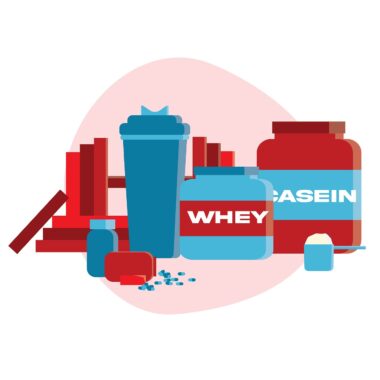
Supplements can play a role in supporting recovery after intense strength training. Proteins, such as whey protein, are often recommended post-workout to assist with muscle repair. Studies suggest that protein supplementation may improve recovery outcomes and promote muscle growth when taken within an hour of exercising. Branched-chain amino acids (BCAAs) can also minimize muscle soreness and improve exercise performance, making them a popular choice among athletes. Omega-3 supplements can further aid in reducing inflammation, especially for individuals who may not consume enough fatty fish in their diet. Creatine, another common supplement, can enhance strength and improve recovery between workouts. However, it is essential to understand that supplements are meant to complement a balanced diet, not replace whole foods. Consulting a healthcare professional before starting any supplementation regimen ensures safety and effectiveness, particularly for individuals with specific health conditions. Furthermore, it’s vital to remember that overall lifestyle factors, including stress management and hydration, work in tandem with supplements to maximize recovery. Therefore, a comprehensive approach is necessary for optimal training outcomes.
Returning to Training After Injury
Returning to strength training after an injury can be daunting, and managing inflammation effectively is vital during this transition. It is crucial to listen to your body and allow adequate time for healing before jumping back into intensive workouts. Gradual reintroduction to training is essential; start with lower intensity and volume to avoid re-injury. Once cleared by a healthcare professional, incorporate rehabilitation exercises designed to strengthen the area. Mobility work is critical, as preserving range of motion can prevent stiffness and further complications. Focus on aligning your exercise choices with your recovery goals; low-impact exercises can provide movement without excessive strain. Additionally, monitor how your body responds during each workout. If discomfort or undue inflammation arises, regress to previous levels until your body adapts. Keep in mind that consistency in recovery practices, such as using proper warm-up and cool-down routines, is essential. Mental strategies, like visualization techniques, can also foster positive mindsets during recovery, alleviating anxiety about returning to strength training. Remember, maintaining a patient and proactive approach ensures a safer and more effective comeback.
Conclusion on Inflammation and Recovery
In conclusion, understanding the role of inflammation in post-workout recovery is essential for optimizing your strength training regimen. Inflammation, while a natural process, needs to be managed effectively to enhance recovery times and performance. Eating a balanced diet rich in anti-inflammatory foods, ensuring adequate hydration, and prioritizing rest and sleep are fundamental practices that support recovery. Integrating physical therapies like foam rolling, stretching, and massage into your routine can effectively address inflammation and promote muscle repair. While supplements can provide additional support, they should complement a well-rounded diet alongside lifestyle modifications. Furthermore, approaching the return to training after injury with caution allows for a safe reintegration into your fitness journey. Remember, each step you take towards understanding and managing inflammation plays a significant role in achieving your overall fitness goals and maximizing the benefits of strength training. Keep in mind that recovery is not merely a pause in your training but a vital component that enables continual progress.
Final Thoughts on Post-Workout Recovery
Implementing a unique and thoughtful recovery plan is paramount for anyone engaging in strength training. Each strategy works synergistically to address inflammation while contributing to overall recovery effectiveness. Stay attentive to your body’s signals to identify when it needs more rest or nourishment. Emphasizing recovery helps prevent setbacks and prolongs the benefits gained through hard work in the gym. Be proactive about recovery efforts; consider integrating mindfulness techniques to support mental wellness alongside physical recovery. This holistic approach ensures you are equipped to tackle each training session with renewed vigor. Create a personalized recovery routine incorporating optimal nutrition, hydration, sleep, and physical therapies to find what best suits your individual needs. Engage in conversations with other fitness enthusiasts to learn new practices and strategies that have helped others. Ultimately, committing to understanding the complex relationship between inflammation and recovery enhances your ability to make informed decisions that support sustainable progress in strength training. Enjoy the journey towards better recovery and improved performance, recognizing the foundational role it plays in achieving your fitness aspirations.