
Neuromuscular Adaptations in Rehabilitation After Injury
The process of rehabilitation after an injury involves a series of adjustments and adaptations within the neuromuscular system. These adaptations are crucial as they facilitate recovery and improve overall function. Understanding how the neuromuscular system responds to injury allows healthcare professionals to design effective rehabilitation programs. Initially, following an injury, there may be significant muscle weakness and loss of coordination, which can hinder recovery. Rehabilitation focuses on strength training to enhance muscle hypertrophy and neural adaptations. Altered motor control strategies are also essential in rehabilitation to help the patient regain functional movements. Incorporating specific exercises can address deficits in both strength and coordination. Resistance training, balance exercises, and functional movements are key. Doing so not only accelerates physical recovery but also fosters confidence in the injured individual. Additionally, neuromuscular adaptations positively affect joint stability, which is critical in preventing re-injury. Optimizing these adaptations can significantly impact the success of rehabilitation programs. Overall, understanding these adaptations can enhance the effectiveness of therapeutic interventions and lead to better outcomes.
Neuromuscular adaptations involve changes at various levels of the nervous system. These changes include alterations in muscle activation patterns, energy production, and range of motion. Neuroplasticity plays a vital role in the rehabilitation of injured patients, allowing the brain to reorganize and establish new neural pathways. This is especially important for individuals recovering from brain injuries or musculoskeletal disorders. Techniques used in rehabilitation often aim to capitalize on neuroplasticity by promoting functional movements and varied exercises. Utilizing feedback through visual or auditory cues can enhance motor learning and re-establish proper neuromuscular connections. Strength training can lead to both structural and functional improvements within the muscles involved in movement, promoting efficiency and reduced fatigue. Coordination exercises are integrated to facilitate communication between the brain and muscles, aiding in the re-acquisition of motor skills. Furthermore, the timing and intensity of rehabilitation interventions can influence the extent of neuromuscular adaptations. Establishing a progressive overload principle ensures that patients are challenged adequately as they recover. Ultimately, these adaptations highlight the complex interplay between the nervous and muscular systems, crucial for achieving optimal recovery outcomes.
The Role of Exercise in Enhancing Neuromuscular Adaptations
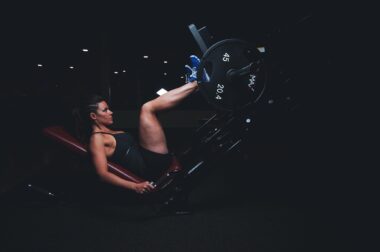
Exercise is an essential component in enhancing neuromuscular adaptations during rehabilitation after injury. Incorporating strength training activities not only improves muscle mass but also helps in re-establishing neuromuscular connections. These connections are vital for efficient movement and overall physical performance. Different forms of exercise can stimulate the nervous system, particularly when combined with resistance training. This combination can lead to increased voluntary muscle activation, a core aspect of overcoming weakness after an injury. Bodyweight exercises can also be beneficial as they allow for controlled movement patterns that promote recovery. The adaptation process involves both central and peripheral mechanisms, contributing to improved motor unit recruitment. When patients engage in regular exercise, they can expect greater flexibility, enhanced stability, and increased physical strength. It is important to consider the individual needs and limitations of each patient, customizing exercise programs accordingly. As patients progress, the introduction of challenging movements and new stimuli can yield significant benefits. The psychological aspects of exercise play a role as well, as positive reinforcement during rehabilitation fosters confidence and motivation. Ultimately, exercise is a powerful tool in the recovery journey.
Neuromuscular adaptations also include improvements in proprioception and balance, critical components of functional movement. Proprioception refers to the body’s ability to perceive its position and movement, essential for maintaining postural control and preventing falls. Following an injury, proprioceptive deficits can occur, greatly affecting an individual’s stability. Exercises designed to enhance proprioception are vital in rehabilitation. These often involve exercises performed on unstable surfaces, such as balance boards or BOSU trainers, which challenge the neuromuscular system. Engaging in real-life activities or sport-specific drills further reinforces these adaptations, preparing individuals for return-to-sport scenarios. Furthermore, neuromuscular training programs emphasize dynamic balance and agility, factors that are crucial for athletes post-recovery. Gradually increasing challenge levels in balance tasks can improve not only joint stability but also confidence in physical abilities. Strengthening the relationship between the nervous system and muscle response is vital. Professionals utilize feedback mechanisms like video analysis or proprioceptive training devices to aid progression in rehabilitation. These methods empower patients by allowing them to visualize improvements, enhance their engagement, and ultimately achieve successful rehabilitation outcomes.
Challenges and Considerations in Rehabilitation
While neuromuscular adaptations provide numerous benefits in rehabilitation, challenges exist that must be considered. One significant challenge is individual variability in response to rehabilitation interventions. Factors such as age, sex, and fitness level can influence how effectively a patient adapts to a rehabilitation program. Additionally, psychological factors like motivation and mental health can impact recovery outcomes. Some patients may experience fear or anxiety about re-injury, making it essential for therapists to address these concerns as part of the rehabilitation process. Monitoring progress and adapting programs as needed is crucial; unsuccessful strategies should be revisited to refine approaches based on patient feedback. Furthermore, it’s essential to strike a balance between exercise load and adequate recovery. Overtraining can hinder progress, while insufficient training may not stimulate the necessary adaptations. Interdisciplinary collaboration among physiotherapists, trainers, and psychologists can enhance the rehabilitation experience. Optimizing neuromuscular adaptations requires attention to both physical and psychological aspects, ensuring that each patient is supported holistically. By addressing these challenges, rehabilitation programs can be tailored for improved outcomes.
Recent advancements in technology have added new dimensions to the understanding of neuromuscular adaptations in rehabilitative practices. Wearable devices and smart technology provide real-time feedback on performance metrics, allowing for more accurate assessments of recovery progress. The integration of biomechanics and motion analysis can reveal detailed insights into movement patterns, informing exercise modifications. Virtual reality and augmented reality applications are also emerging tools that can offer engaging environments for rehabilitation, enhancing motivation and compliance. These tools enable therapists to create dynamic and responsive rehabilitation experiences, allowing patients a chance to practice in simulated real-world scenarios. Moreover, data collected through these technologies can pave the way for personalized rehabilitation strategies, driving better patient outcomes. As researchers continue to explore the realms of neuromuscular adaptations, the potential for improved methodologies increases. Enhanced understanding of neural control and muscle dynamics further promotes targeted interventions. If effectively utilized, technology can help bridge the gap between physical therapy and the psychological aspects of rehabilitation. Ultimately, integrating innovation into rehabilitation strategies is key for maximizing neuromuscular adaptations and facilitating successful recovery.
Conclusion and Future Directions
In conclusion, neuromuscular adaptations play a vital role in rehabilitation after injury. These adaptations help recover strength, coordination, and function, which are indispensable for a successful return to an active lifestyle. Understanding the underlying mechanisms driving these adaptations enables healthcare professionals to devise tailored rehabilitation programs that align with individual needs. As research progresses, the integration of advanced technology and evidence-based practices will enhance traditional rehabilitation methods. Future directions may explore specific neuromuscular training protocols and their impact on recovery timelines. The focus should remain on fostering comprehensive and adaptive programs that address both physical and cognitive aspects of rehabilitation. Through commitment to continual learning and adaptation, professionals can refine their approaches. The objective should always be to optimize outcomes and empower individuals navigating the challenges of recovery. A collaborative effort among professionals and patients is crucial. By fostering a supportive rehabilitation environment, individuals can feel motivated and engaged in their recovery process. Emphasizing the importance of neuromuscular adaptations in rehabilitation leads to better physical health and overall well-being.
Physiotherapists and exercise professionals play a vital role in guiding patients through their rehabilitation journeys, helping them understand the importance of neuromuscular adaptations. Individualized assessments allow practitioners to recognize specific strengths and weaknesses in each patient, paving the way for tailored intervention strategies. Ongoing education about neuromuscular health can empower both patients and ther…