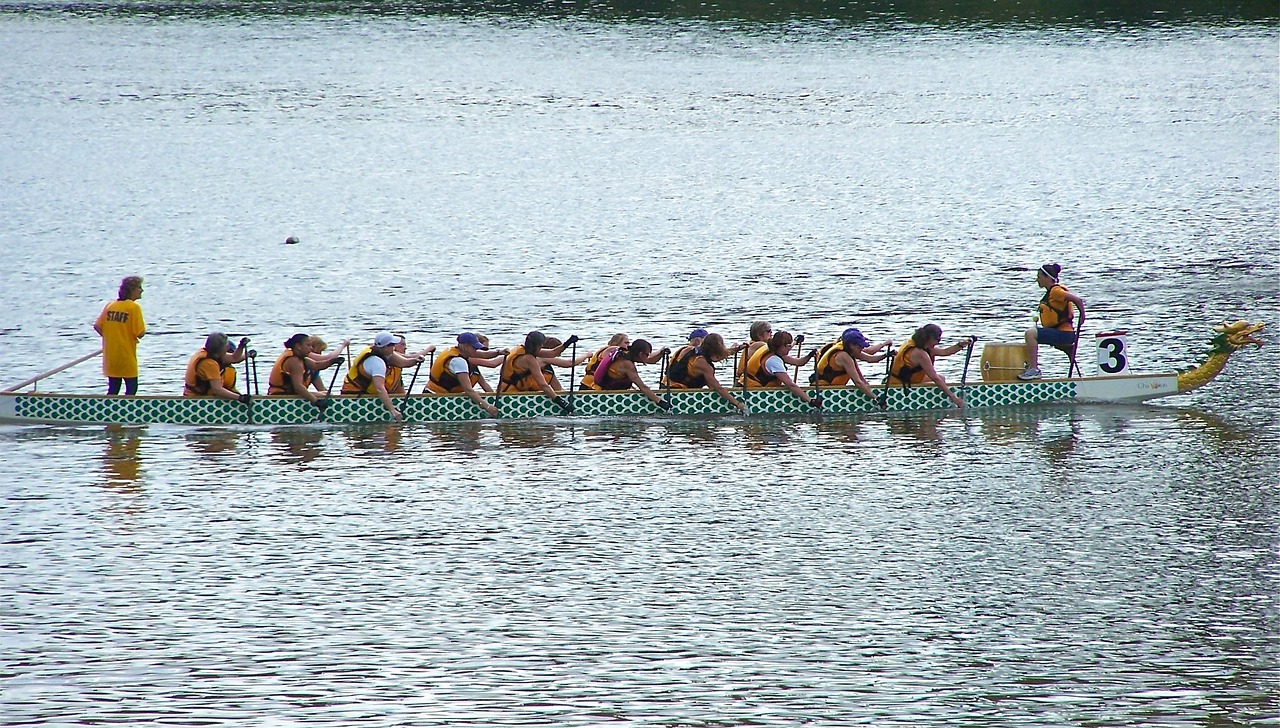

Rowing Drills for Team Synchronization: Video Guide
Effective teamwork in rowing is crucial for achieving maximum performance. To master synchronization, it’s essential for team members to develop a shared rhythm and seamless coordination. One effective way to enhance teamwork is through targeted drills that focus on synchronization and integration. Rowing drills, when performed correctly, can significantly improve the overall fluidity of the team’s strokes. Each crew member must understand their role and how their movements interact with others during the rowing process. By consistently practicing specific synchronization drills, teams can strengthen their bond and develop a more cohesive rowing style that ultimately improves speed and efficiency. Using the right video tutorials can visually demonstrate these rowing drills, providing step-by-step guidance. Many online platforms offer rowing technique videos, showcasing drills that focus on team synchronization. These resourceful tutorials cater to various skill levels, ensuring that both novice and experienced rowers can benefit. Additionally, learning by watching the best practices of professionals can serve as valuable insight into advanced techniques for rowers. Overall, video tutorials provide an essential complementary tool for visual learners aiming to perfect their team drills.
One of the most effective drills for synchronization is the ‘pause drill’. This technique allows rowers to focus on their catch and finish positions, ensuring they are aligned before resuming strokes. Rowers start at the catch and pause momentarily, ensuring their blades are immersed correctly before taking the stroke. Performing this drill helps team members visualize their motions in relation to each other while focusing on timing. Another beneficial drill is the ‘single file drill’, where members row in a single line to emphasize the importance of maintaining the same rhythm. This drill not only fosters individual expertise but also highlights how unique strokes affect the team’s overall performance. Team practices, involving a discussion about the importance of synchronized movements, can also improve performance. Each rower must understand the collective goal of maximizing boat speed and minimizing drag. Implementing different drills such as ‘pause’, ‘single file’, and ‘repeat strokes’ can make practices more engaging and effective. With these drills, rowers gain a greater awareness of their action’s impact on the team as a whole.
Creative Drills to Enhance Synchronization
To develop a stronger kinesthetic awareness among team members, incorporating creative drills can prove beneficial. One innovative approach is ‘backwards rowing’, where rowers practice moving the boat in reverse while ensuring synchronization. This unique drill challenges the crew to maintain their focus on timing and coordination while adapting to a different rowing dynamic. Furthermore, adding variation to existing drills can prompt teams to rethink how they approach synchronization. For instance, practice alternating strokes provides insight into how differences in rhythm impact the entire boat. Another powerful technique is the use of a metronome or beatkeeper, which serves to regulate the pace for the crew. This tool can greatly assist in aligning each rower’s timing during practice sessions. Additionally, using music during training creates a fun, engaging atmosphere while encouraging the crew to move together in harmony. These creative techniques not only foster synchronization but also contribute to building camaraderie among team members. Establishing drills that are dynamic and enjoyable reinforces a sense of team cohesion while striving for optimal performance.
Understanding the importance of feedback during training sessions can tremendously impact the team’s synchronization efforts. It is essential for coaches to offer constructive criticism while also promoting positive reinforcement to maintain motivation. Video analysis is particularly valid when providing feedback since it allows rowers to visually see their technique alongside their peers. This analysis can reveal discrepancies in timing, allowing rowers to adjust their strokes accordingly. Utilizing video footage of different drills and real-time feedback enables quick adjustments, ultimately fostering better synchronization. Furthermore, inviting experienced rowers to offer advice during practices can foster a supportive environment, where less experienced members can learn from peers. Regular check-ins during practice can help rowers to reflect on their performance, prompting discussions on synchronization. Setting specific goals for each practice, such as maintaining synchronization throughout a distance, can lead to measurable improvements. Teams that engage in discussions about their progress can develop a sense of accountability, greatly enhancing their overall performance. Therefore, fostering a culture of open communication and feedback plays a critical role in synchronizing a rower’s technique.
Long-Term Progress Through Regular Drills
The journey of mastering synchronization doesn’t happen overnight; it requires continuous practice and dedication. Consistent attendance at training sessions ensures rowers become comfortable with synchronization drills. Establishing a routine that includes various drills can keep crew members engaged while progressively improving synchronization skills. Setting measurable objectives for training sessions, such as improving the timing of strokes or increasing the length of synchronized efforts, helps track progress. Teams will notice that simply participating in coordinated drills, regularly, leads to long-lasting improvements. Such drills should incorporate variations to retain interest while focusing on synchronization. It’s also essential to embrace challenges during practice sessions, as overcoming difficulties can contribute to team endurance and character. Track the progress weekly to celebrate achievements and benchmarks. Ultimately, repeated exposure to synchronization drills will introduce necessary muscle memory, which is vital for achieving seamless strokes in competitive contexts. Success may vary from rower to rower; hence regular practices serve as a foundation for long-term synchronization improvements.
As rowing continues to grow in popularity, understanding the integration of technology in training can enhance team synchronization. Video analysis tools, mobile applications, and wearable devices can all be utilized to monitor rowers’ techniques and synchronization. Capturing metrics such as stroke rate, boat speed, and timing can provide detailed insights into teamwork. For example, using sensors in oars can analyze the force applied during strokes, helping coaches understand how to improve team synchronization. Furthermore, team apps dedicated to tracking performance can enhance accountability and transparency among members. Online platforms allow teams to share their training insights while video analyzing together during meetings, encouraging collaborative learning. Live streaming training sessions can also be effective for remote feedback mechanisms, allowing coaches to provide real-time adjustments. Embracing these technologies creates an informed and adaptable training environment that can propel synchronization efforts. Hence, teams that leverage tools and technology will likely experience substantial gains in their abilities due to enhanced performance analysis.
Conclusion: Synchronization and Team Success
Ultimately, the key to successful rowing lies in achieving precise synchronization among team members. It becomes abundantly clear that incorporating dedicated drills, continuous practice, and leveraging technology significantly enhances the team’s performance. Whether using traditional or innovative approaches, maintaining a strong focus on the execution of synchronized strokes fosters a collective effort. Collaboration between rowers, the guidance from coaches, and the use of analytical tools contribute to optimal rowing outcomes. Building a culture encourages communication, feedback, and accountability will remedy synchronization challenges often encountered during training. Consistent dedication to drills and teamwork practices will lead to improved performance in races, reinforcing the importance of synchronization in rowing. Every member must recognize their responsibility to cultivate synchronization while gaining insight from video tutorials and expert guidance when available. In conclusion, the synergy achieved through synchronized rowing fosters a supportive environment, encouraging individuals’ growth and enhancing the team’s overall spirit. Adopting these methods ensures a bright future for any rowing team committed to success through synchronized efforts.
Additional Resources on Rowing
For further improvement in rowing synchronization, accessing a variety of resources can significantly benefit teams. Engaging with reputable rowing organizations, attending workshops, and participating in online forums dedicated to rowing enthusiasts can provide invaluable insights. Moreover, teams can access a plethora of video tutorials available on platforms like YouTube, featuring professional rowers sharing their techniques. These videos often highlight specific drills and exercises focused on synchronization. Furthermore, reading books written by experienced coaches offers unique perspectives and strategies that focus on enhancing teamwork in rowing. Connecting with local rowing clubs can also lead to mentorship opportunities and knowledge sharing among different teams. Regularly attending rowing events and competitions allows teams to observe the synchronization practices of top-level crews and learn from their strategies. Participating in community events can foster camaraderie and share experiences, enhancing the overall rowing journey. Embracing these resources will empower teams to reach their potential, become better performers, and deepen their understanding of synchronization, collectively elevating the spirit of the team and sport.