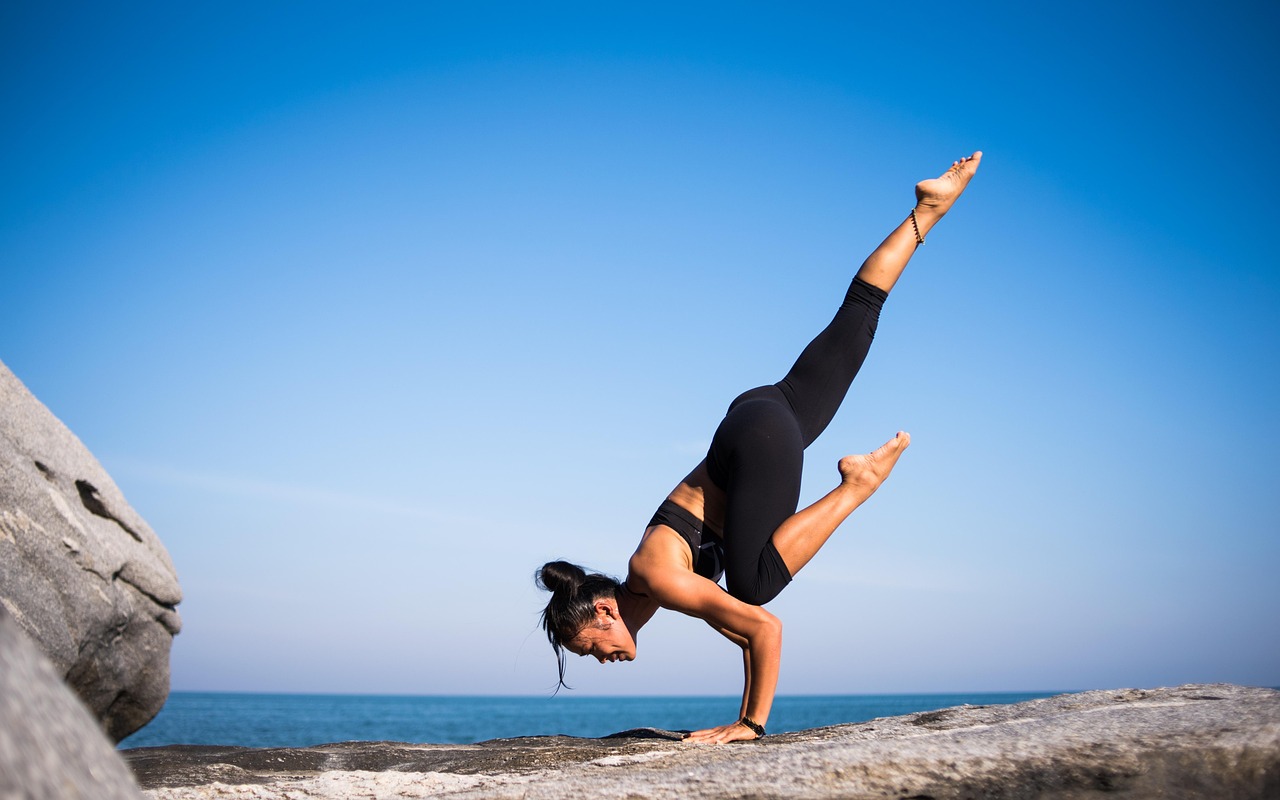

Measuring Progress in Sports-Specific Balance Training
Sports-specific balance training is crucial for athletes to enhance their stability and performance. This training encompasses diverse drills tailored to the demands of specific sports. To effectively measure progress in this vital aspect, objective metrics must be employed, allowing athletes and coaches to assess improvement. Various methods exist for evaluating balance, from subjective evaluations to sophisticated technology. One can utilize balance boards and stability trainers, which provide immediate feedback on performance. These tools can help to quantify balance through metrics such as the center of pressure and postural sway. Furthermore, utilizing a structured training log helps track specific exercises and improvements over time, offering a clearer picture of progress. Coaches may also use video analysis to visually assess an athlete’s balance techniques and adjust accordingly. Setting clear performance benchmarks at regular intervals can motivate athletes and guide training focus. Regular assessments can create a sense of accountability, essential for sustained improvement. Collaboration with sports scientists can further refine balance training protocols, ensuring that athletes are engaging in the most effective routines. In conclusion, a multifaceted approach is key to effectively measuring progress in sports-specific balance training.
Aside from equipment-based evaluations, subjective measures can also provide valuable insights into balance training progress. Athletes’ perceptions of their balance can significantly correlate with their actual performance improvements. Surveys or questionnaires can gauge individual confidence levels in balance and stability, thus informing coaches about their athletes’ mental states. Additionally, peer evaluations can offer different perspectives, allowing athletes to learn from each other’s experiences. Incorporating qualitative feedback helps to create a holistic understanding of each player’s journey. Athletes can also maintain a personal diary, documenting their training experiences, which can highlight patterns or areas needing improvement. These accounts not only serve as a record but also encourage mental engagement in the training process. Another unique method for measuring balance improvements is through performance in sport-specific scenarios, such as executing a play requiring optimal balance under stress. Assessing how athletes handle pressure situations can reveal both strengths and weaknesses in balance skills. Furthermore, participating in competition settings can expose athletes to realistic challenges while providing additional metrics for evaluation. Adapting measures to fit individual needs ensures comprehensive assessments that truly reflect progress over time.
Integrating Technology for Enhanced Measurement
Technology has revolutionized the assessment of balance training, providing advanced techniques that offer precise insights. Wearable devices equipped with accelerometers can monitor posture and movement in real time. Data collected can subsequently analyze how an athlete maintains balance across various activities. Motion capture systems can highlight subtle balance errors that might be overlooked in traditional assessments, identifying specific challenges during training. Additionally, virtual reality training environments can simulate sports contexts, offering athletes the chance to practice balance under varying conditions. Such immersive experiences can improve adaptability and resilience in balancing tasks. With constant feedback delivered through these systems, athletes can adjust their training in real-time, enhancing learning efficacy. Furthermore, performance analytics software groups player data, giving comprehensive overviews of their balance capabilities over time. These metrics become instrumental for coaches in tailoring training programs based on individual needs. Continued research and advancements in technology suggest exciting future developments within the realm of sports training. Incorporating these tech-based assessments can empower athletes, enabling them to achieve higher performance levels while boosting their confidence and understanding of balance dynamics.
Another critical aspect of measuring progress is the establishment of training goals. Setting SMART objectives—specific, measurable, achievable, relevant, and time-bound—provides clarity and direction in balance training. Athletes should work closely with coaches to define these goals pertinent to their sports performance requirements. For instance, an objective may be to maintain balance on one foot for an extended period or efficiently perform series of dynamic drills without losing stability. Progress towards these benchmarks should be reviewed regularly. This ensures that training remains aligned with evolving skill levels or potential injuries. Athletes should be encouraged to take ownership of their training plans by tracking personal milestones and adjusting accordingly. Celebrating achievements, regardless of how small, fosters motivation and progress. Using motivational techniques and positive reinforcement can bolster this journey, helping athletes visualize their paths toward mastery in balance. Collaborative goal-setting with peers can also create a supportive environment. As they share challenges and victories, they can keep each other accountable. Overall, a structured approach to goal-setting in balance training enhances focus and lays the foundation for measurable progress over time.
The Impact of Psychological Factors
Athletes should not overlook the psychological aspects influencing balance training progress. Mental resilience plays a vital role in sports performance, particularly in balancing tasks which require focus and coordination. Strategies such as visualization and mindfulness can enhance an athlete’s ability to concentrate on their physical movements. Pre and post-assessment of mental states can provide insights into how emotional wellness impacts balance performance. Athletes may find that managing anxiety and maintaining positive self-talk significantly contributes to improved results in balance training. Engaging in relaxation techniques can ease tension before challenging balance tasks, allowing for better performance. Furthermore, utilizing mental imagery can help prepare athletes mentally for various scenarios, facilitating their navigation during physical challenges. Competitive settings often amplify psychological barriers to balance execution. Therefore, incorporating mental training should run parallel to physical training programs. Team-building exercises can function synergistically, building camaraderie while refining balance skills. Incorporating relaxation and mental conditioning techniques will ensure athletes are prepared both mentally and physically, thus enhancing their overall capacity to perform balance-related tasks effectively and confidently during competition.
The relationship between strength training and balance progress also plays a crucial role. It’s essential to develop the stabilizer muscles that support proper balance during sports activities. Implementing strength training regimens that focus on core, leg, and stabilizing muscles can provide the foundation needed for effective balance performance. Athletes should integrate exercises such as squats, lunges, and planks into their training routines. These foundational exercises build necessary strength levels, leading to significant improvements in balance application. Progress should be diagnosed by monitoring strength gains through observation and specific strength tests. As strength increases, athletes will notice enhanced control over their movements, contributing to superior balance skills. Assessing the interplay between strength gains and balance improvements ensures training is appropriately tailored. Incorporating functional exercises that mimic sport-specific movements can also broaden the scope of balance training. Taking a multidisciplinary approach that marries strength and balance training creates a comprehensive athletic regimen. Regular evaluations of both strength and balance progress will ensure that athletes are building capacity. Ultimately, a balanced training program addressing strength will yield optimal performance results.
Conclusion on Measuring Sports-Specific Balance
In conclusion, measuring progress in sports-specific balance training requires a holistic approach that integrates various methods. Combining technology, personalized goal-setting, mental resilience training, and strength training creates a structured framework essential for evaluating improvements. Objective measurements paired with subjective evaluations enrich the understanding of an athlete’s journey. Regular assessments and adjustments to training tactics ensure alignment between objectives and performance outcomes. This ongoing process ultimately cultivates a maintenance plan that can adapt to an athlete’s evolving needs. Collaboration between athletes and coaching staff enhances goal achievement by fostering motivation and accountability. Moreover, integrating sports science research will pave the way for new methodologies in balance training techniques. As sports continue to evolve, so must our methodologies in training assessments. Athletes who leverage these tools effectively will undoubtedly see progress in their balance skills, translating to improved performance. Developing a culture that prioritizes balance will lead to long-term success in sports, encouraging athletes to embrace their development paths fully. By investing in balance training, the foundation for excellence in sports performance is laid, ultimately resulting in enhanced athletic achievements.
Ultimately, the journey towards mastering balance is ongoing and multifaceted. Evaluating progress in sports-specific balance training creates opportunities for continuous learning and improvement. Athletes engaging with these frameworks will enhance not only their balance capabilities but also their confidence and psychological resilience. Smart training infrastructure can help athletes learn and grow more effectively. By continually measuring and adjusting training protocols, athletes can participate in self-improvement initiatives that keep them engaged and motivated. Such a proactive stance embeds an improvement mindset that becomes integral to athletic performance overall. Furthermore, as balance and stability significantly influence all sporting activities, maintaining focus on specific balance training can lead to broader performance benefits. Long-term consistency in training ensures that improvements remain prevalent throughout competitive contexts, minimizing injury risks and maximizing performance outcomes. Coaches play a pivotal role in this equation, guiding their athletes through the complexities of balance development. In fostering an environment in which balance is prioritized, the entire team can experience growth. Therefore, as training paradigms advance, so will our understanding of best practices in measuring and promoting balance. Ultimately, dedicated athletes will find pathways to success through sports-specific balance training.