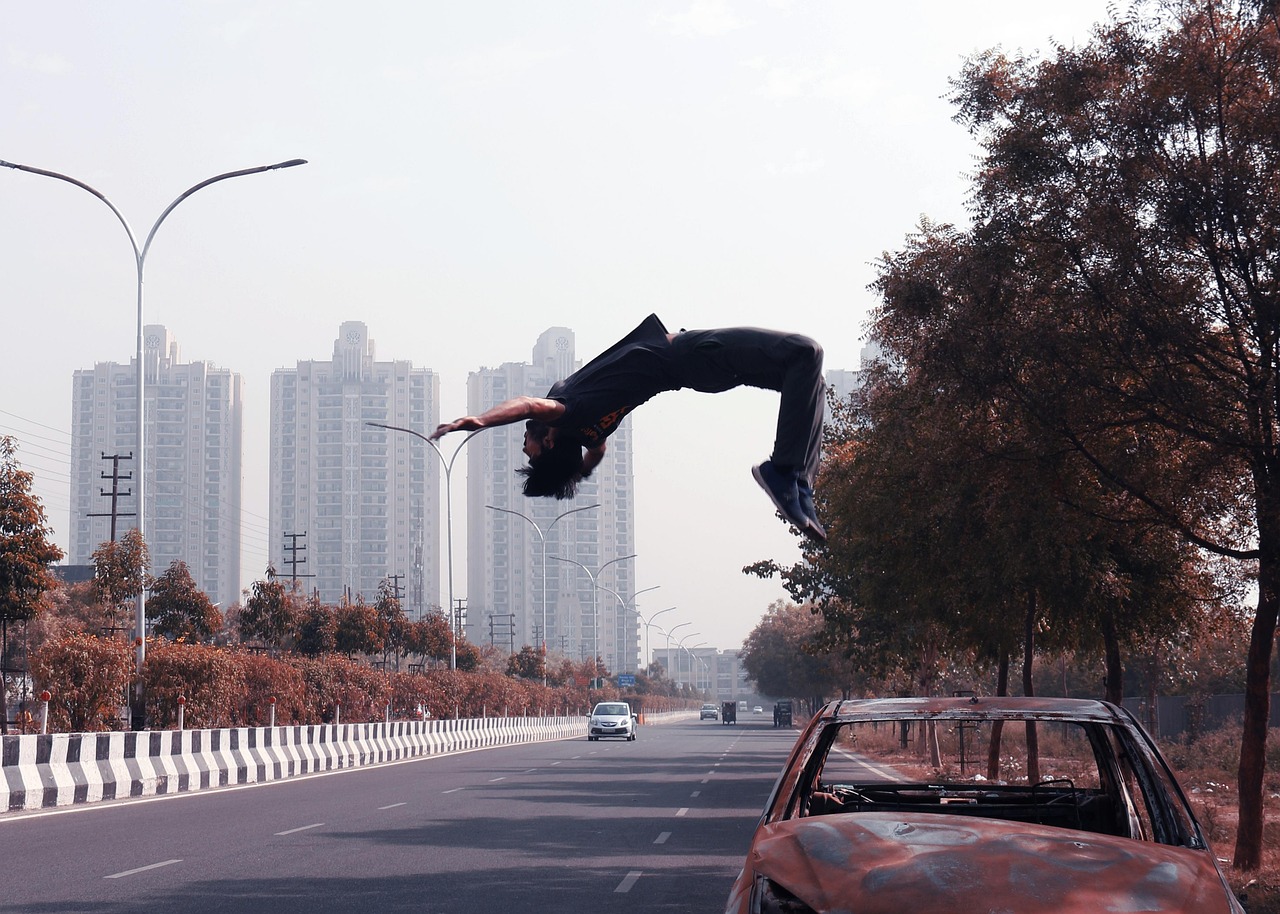

Parkour Training Plans for Different Fitness Levels
If you are looking to enhance your fitness while having fun, then incorporating parkour into your routine is a great approach. Fitness levels vary widely among individuals, so designing parkour training plans that cater to different levels of ability is crucial. Beginners may focus on developing foundational skills such as balance, agility, and strength. To begin, consider starting with some basic movements like rolls, vaults, and wall runs. Gradually increase the complexity of movements as you develop confidence and competence. For intermediate practitioners, a focus on endurance and explosive movements can optimize performance. Building stamina through drills that emphasize speed and control is essential. Transitioning to advanced techniques may involve more challenging stunts, and a heightened focus on creativity in movement will help further develop your skillset. Throw in strength training exercises that complement parkour for a well-rounded fitness regime. Finally, ensure proper warm-up and cooldown exercises before and after training sessions to prevent injury. This mastery of fundamentals and strength training enhances overall fitness. Consult experienced parkour instructors for personalized guidance to significantly aid your improvement.
Beginners’ Focus: Basics and Build Up
The journey to mastering parkour starts with establishing a solid foundation. Beginners should begin their training by introducing themselves to the most fundamental techniques that parkour offers. Techniques such as rolling, jumping, and gravity-defying landings are where the initial focus should lie. Engaging in regular conditioning exercises is essential, as developing strength is paramount. Include exercises like push-ups, squats, and lunges in your training regimen to build overall body strength. Additionally, emphasize flexibility through activities like yoga. A flexible body prevents injuries and enhances performance. As you gain mastery over basic movements, increase the intensity of your workouts gradually. Find local parkour communities or classes—learning in groups adds motivation and encourages safety-first practices. Utilize online tutorials and videos to assist you in proper form and technique. Remember to document your progression as you advance. Keep track of your performance and celebrate small victories to maintain motivation. Lastly, ensure consistency in training while enjoying the learning process. This joy will greatly contribute to long-term commitment, helping you to effectively evolve your skills in the parkour discipline.
For those at an intermediate level, adding variations to your training regime becomes crucial for further improvements. Intermediate parkour enthusiasts should focus on enhancing technique and speed through more complex routines. Adding skills like precision jumps, tic-tacs, and vaulting techniques can significantly elevate your game. Incorporating obstacle courses within your training can facilitate better adaptability and responsiveness to unusual movements. Combine parkour with other fitness activities like running or cycling to develop your cardiovascular health and stamina. Consistency and gradual progression are essential at this level; performing a variety of moves can prevent workouts from becoming stale. Also, don’t forget about strength training—building additional muscle will aid in better landings and overall movement efficiency. Proper warm-ups and cooldowns are still essential to mitigate the risks of injury. Consider joining a parkour group or community; sharing your journey with others can provide motivation and accountability. Socializing with like-minded individuals can lead to new friendships and a supportive environment. Documenting your training and progress can provide insight into what works well and areas needing improvement, which maintains direction in your evolving parkour journey.
Advanced Techniques: Mastery and Creativity
When you’ve reached an advanced level in parkour, it is time to engage in more dynamic and creative training exercises that reflect the skills you’ve acquired. At this stage, focusing on the flow of movements is critical—how quickly and effectively transitions occur between techniques can define your style. Innovating your routines and incorporating personal flair through unique combinations will enhance your abilities. Explore various environments, such as urban spaces or nature trails, to find new challenges and opportunities for creative expression. Additionally, understanding body mechanics becomes essential during this phase; analyze how your body interacts with various surfaces for more efficient movement. Advanced practitioners often invest time in injury prevention strategies, considering techniques like foam rolling and specific injury management. Attending workshops or seeking mentorship from more seasoned practitioners can propel your training to new heights. Documenting significant milestones and physical capabilities through videos can help evaluate performance over time, fostering improvement. This comprehensive approach ensures that your advanced training remains engaging while refining core techniques that elevate your parkour proficiency.
The realm of parkour for fitness is ever-expanding and adjusting to individual needs. A balanced training plan should encompass various fitness components: strength, flexibility, speed, and endurance are all crucial elements. Varying workouts with all-encompassing exercises, rather than solely focusing on parkour techniques, can help develop an overall fit and agile body. To include a broader range of fitness strategies, consider adding activities like swimming or martial arts. Cross-training can enhance both your parkour skills and overall health. It’s important to combine these exercises with rest days to allow muscles to recover and grow stronger. Engaging in recovery practices such as stretching or light yoga exercises benefits muscle health and flexibility. Feed your body with the nutrients it needs to fuel your workouts. Consuming a balanced diet rich in protein and healthy carbohydrates will fuel to sustain your activity levels. Hydration is equally important—proper water intake ensures optimal performance levels. Lastly, discovering your motivational triggers within the fitness journey is essential. Whether it’s setting challenging goals or finding a training buddy, these elements will help maintain enthusiasm and commitment throughout your parkour endeavor.
Setting Goals: Measurement and Motivation
As with any fitness training, setting goals in parkour is crucial to measure progress and maintain motivation. Clearly defined objectives impart direction to your training sessions. Short-term goals might include mastering a specific move or enhancing speed in basic routines. Long-term goals could involve conquering a full obstacle course or participating in a parkour demonstration. Tracking achievements can be highly motivating—consider using a journal or an app to log accomplishments and setbacks. Reflecting on your training history can reveal patterns of success or areas needing focus. Additionally, online communities dedicated to parkour can provide support, encouragement, and competitive spirit. Engaging with fellow enthusiasts often sparks friendly rivalries, pushing one another to reach new heights. Celebrate milestones—no matter how small—as each significant achievement reinforces your commitment to your goals. You might also find financial investment in gear, such as shoes or apparel, acts as an additional motivating factor for many trainees. Ultimately, continually assessing and adjusting your objectives aligns with your evolving parkour journey, ensuring you remain engaged and dedicated to your fitness aspirations.
In conclusion, parkour serves as an exhilarating and dynamic avenue for enhancing fitness, adaptable for individuals at any fitness level. Tailoring training plans ultimately reflects understanding one’s abilities and goals when integrating parkour concepts. Emphasizing safety while developing foundational skills is essential for beginners, leading to increased complexity as participants improve. Intermediate practitioners can benefit from intricate exercises, focusing not only on techniques but also building stamina and strength. The transition into advanced techniques allows for creative expression and personal style, essential for ongoing motivation. Integrating varied training elements, such as flexibility and cross-training exercises, contributes to overall fitness. Setting measurable goals enhances direction and accountability, showcasing individual progress and encouraging community involvement. Celebrating achievements, no matter how small, nurtures personal commitment to growth. With an understanding of these facets of parkour training for fitness, anyone can enrich their physical capabilities while enjoying this unique and empowering practice. Remember to cherish the learning moments, embrace challenges, and consistently strive for improvement. Seek out parks, groups, or online resources to share your journey with others, thus paving the road to a fulfilling parkour experience.
Exploring More – Resources and Communities
For those looking to dive deeper into the world of parkour and freerunning, it’s vital to understand the plethora of resources available. Numerous online platforms offer tutorials and instructional videos, catering to various skill levels. YouTube channels dedicated to parkour provide daily tips and tricks to refine your technique. Moreover, local parkour communities can be an invaluable asset; they offer support, advice, and a shared space for practice. Join a local group to increase motivation and safety, allowing you to witness diverse styles and learn from one another. Attending workshops led by experienced practitioners can significantly improve your skills through focused learning. Friends and family can play an essential role in your journey—having companionship during practice keeps the enthusiasm alight. Set up training meetups to share knowledge and inspire each other. Social media groups also allow participants to connect, celebrating personal achievements while fostering friendly competition. Online forums offer a platform for discussing questions or challenges faced in your training. Utilizing these resources ensures a well-rounded understanding of parkour and keeps your motivation steadfast as you progress through your fitness journey.