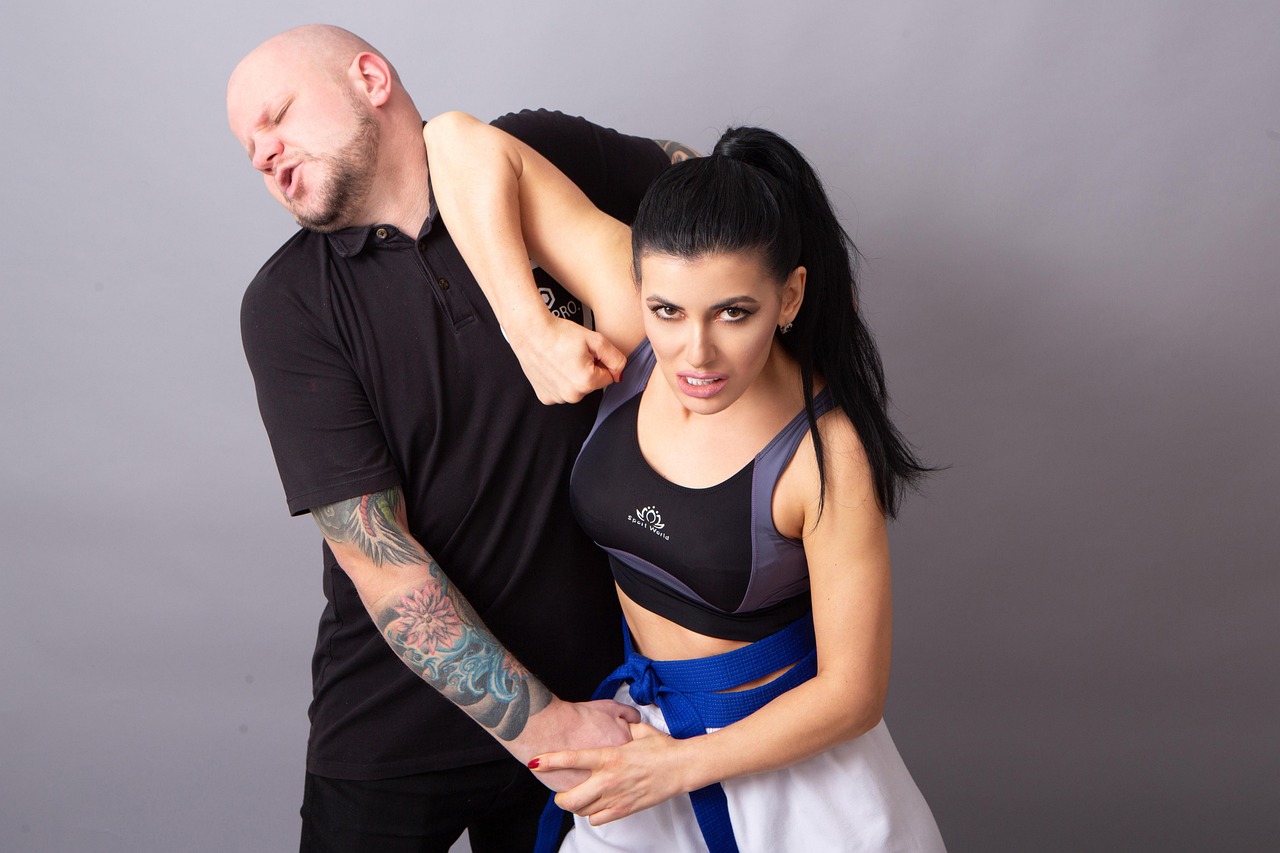

Balancing Fitness and Technique in Self-Defense Training
Self-defense is an essential skill that combines physical fitness and effective technique. To effectively defend oneself, mastering both dimensions is crucial. Fitness levels impact how quickly and powerfully you can respond to threats. A strong and agile body can help maintain composure during an encounter. This involves cardiovascular, strength, and flexibility training to ensure overall bodily readiness. Additionally, understanding the specific techniques involved in various self-defense styles can further enhance your capabilities. These methods include striking, grappling, and escape techniques tailored to real-life situations. Training in these areas allows individuals to develop muscle memory and appropriate reflexes for urgent scenarios. Consistent practice not only boosts physical conditioning but also increases confidence in one’s ability to handle confrontations. Moreover, it is essential to recognize the psychological aspect of self-defense training. This involves maintaining awareness of surroundings and developing the mental fortitude to react rationally under pressure. Building this balance ultimately results in comprehensive self-defense proficiency, making one ready to face potentially dangerous situations with both fitness and well-practiced techniques.
The importance of situational awareness cannot be overstated in self-defense training. Developing the ability to read body language and environmental cues helps in anticipating potential threats. Observing a person’s behavior can provide invaluable insight into their intentions and potential dangers. Commencing training with simulated scenarios can prepare individuals to react effectively in real-life situations. Practice recognizing various signals can significantly reduce the likelihood of being caught off guard. Moreover, incorporating mental exercises in your routine can enhance cognitive responses in high-stress environments. These exercises can include visualization techniques and decision-making drills, which encourage quick thinking. Combining physical preparation with mental readiness not only equips a person with fighting skills but also enhances their ability to assess potentially threatening situations. Additionally, understanding the landscape of possible threats in various locations can further develop one’s strategic planning abilities. Self-defense classes should ideally reflect diverse scenarios, preparing individuals to tackle different situations. Emphasis on situational awareness creates a well-rounded defense strategy that transcends mere physical confrontation, empowering individuals to avoid harmful situations altogether.
Techniques for Physical Conditioning
Building a solid foundation of physical conditioning is vital for effective self-defense training. The body must be conditioned not only to withstand attacks but also to perform swift maneuvers. Endurance training, such as running or cycling, enhances stamina required in confrontations. A fit individual can sustain energy levels needed to execute self-defense techniques. Strength training, focusing on core stability and lower body power, also plays a crucial role. Such exercises build muscle necessary for striking and grappling effectively. Additionally, flexibility training can prevent injuries while maximizing range of motion. Engaging in activities like yoga or martial arts contributes significantly to improved agility and coordination. Combining these elements creates a well-rounded physical conditioning regimen tailored for self-defense. Furthermore, incorporating skill drills into your fitness routine enhances effectiveness in applying techniques. Focus on repetitive, practical application of learned skills to solidify muscle memory. As fitness levels improve, confidence grows, leading to enhanced performance. Discussing personal fitness goals with an instructor can also tailor the program to individual needs. Ultimately, prioritizing physical conditioning provides individuals with the resilience needed for successful self-defense practices.
Understanding the variety of self-defense techniques available can empower practitioners to adapt to different situations effectively. Each martial art offers unique strategies and methods suitable for specific encounters. From Krav Maga to Brazilian Jiu-Jitsu, knowledge of diverse approaches broadens one’s defense options. This versatility allows individuals to respond according to the most appropriate technique for the circumstances at hand. For instance, grappling may be essential in a confined space, while striking techniques may be more effective in open environments. Additionally, training across multiple disciplines can improve overall skills and confidence. Embracing this diversity fosters a better understanding of how various movements yield different outcomes. Moreover, it enhances one’s ability to think critically and creatively under stress. As each person has unique physical capability, discovering which techniques resonate best can ensure the continued practice of effective methods. Practicing these skills regularly in controlled environments encourages optimal performance when needed. Supplementing technique training with physical conditioning establishes an effective self-defense system. Understanding various techniques imbues confidence, ensuring individuals are well-prepared for unexpected circumstances while on the streets.
Incorporating Realistic Scenarios
Incorporating realistic scenarios into self-defense training significantly enhances practical application skills. Real-life situations often differ from those encountered in standard training environments. By simulating realistic attacks and scenarios, trainees can better understand how to think and respond appropriately. Role-playing exercises can effectively mimic sudden confrontations, enabling practitioners to react in the heat of the moment. This aspect of training emphasizes the unpredictable nature of street encounters, preparing individuals for the unexpected. Additionally, practicing these engagements encourages them to think critically and adapt techniques swiftly. It often reveals the limitations of certain moves in real-world situations, prompting practitioners to develop backup strategies. Integrating controlled chaos into training sessions also conditions the body to respond under stress. Thus, enhancing physical responses requires exposure to scenarios that simulate high-pressure environments. Self-defense instructors should thoughtfully create scenarios that challenge practitioners’ problem-solving abilities, fostering resilience. Engaging in such training builds confidence while reducing the likelihood of panic during upsetting situations. Ultimately, training in realistic scenarios leads to effective self-defense approaches that build both physical skill and mental preparedness for possible threats.
Self-defense training not only focuses on physical capabilities but also emphasizes mental fortitude. Practitioners must develop resilience and confidence to instill a sense of assurance when facing danger. Techniques like controlled breathing can help manage adrenaline surges during heightened moments. Visualization is another powerful tool, helping individuals mentally rehearse various scenarios to enhance their comfort in real situations. Strong mental preparation cultivates a mindset that encourages swift, assertive actions when required. In various situations, one must make quick decisions, and a strong mindset enables effective processing. Additionally, fostering a supportive training environment builds camaraderie among participants, encouraging resilience as groups tackle challenges together. Knowing that others share similar goals enhances motivation and collective growth. As trainees share experiences, they develop their understanding of different perspectives on self-defense. Participants can provide valuable insights from their backgrounds, enriching the overall learning experience. Cultivating this mental aspect of training ensures that practitioners are not only physically prepared but emotionally equipped for unforeseen threats. Ultimately, a balance between mental resilience and physical capabilities leads to well-rounded self-defense training that empowers individuals to act decisively.
Conclusion: Mastering Balance and Readiness
Balancing fitness and technique is vital for effective self-defense training. It cultivates a well-rounded skill set enabling individuals to respond accurately and successfully in emergencies. Prioritizing physical conditioning enhances stamina, strength, and flexibility, while mastering varied techniques builds adaptability to numerous situations. Incorporating realistic scenarios reinforces practical application, assisting in mental preparation for actual confrontations. Moreover, developing a resilient mindset complements physical preparation, bolstering confidence and decision-making in high-stress environments. Creating opportunities for peer collaboration during training encourages shared experiences and learning opportunities. Supportive training environments foster camaraderie and motivate individuals to enhance their skills collectively. Implementing diverse exercises within self-defense programs broadens capabilities, ensuring comprehensive training experiences. Ultimately, this synergy of fitness, technique, situational awareness, and mental fortitude allows each practitioner to master self-defense effectively. By embracing this balance, individuals become empowered citizens able to protect themselves and others in potentially dangerous situations. As self-defense training evolves, continuous learning and adaptation can enhance personal and community safety. Committing to practice and education ensures preparedness, enabling effective and confident responses to real-world threats as they arise.
Regular assessments of personal progress in self-defense training are essential for improvement and accountability. Setting measurable goals ensures practitioners maintain focus and motivation throughout their journey. Participation in classes, workshops, and seminars can further expose individuals to expertise and fresh perspectives. Regular engagement enhances skills while making room for personal development. Moreover, recording progress through journals or video evaluations can help practitioners visualize their improvement. This also allows for targeted training adjustments based on areas needing attention and enhancement. Assuring adherence to individualized fitness and technique objectives ensures growth remains consistent and progressive. Pairing training with feedback sessions provides additional insights into performance, encouraging continuous refinement. It is crucial to stay abreast of innovative training methods and self-defense techniques, adapting practices accordingly. This proactive attitude promotes effectiveness in rapidly changing environments, ensuring one remains relevant in their training. Ultimately, joining supportive communities that focus on self-defense further motivates ongoing development. Finding partners to share experiences fosters communal learning, leading to enriched knowledge and skill enhancement. A commitment to continual assessment, community involvement, and innovation ensures the maintenance of effective self-defense capabilities. Through these practices, individuals can confidently face unforeseen challenges that arise.