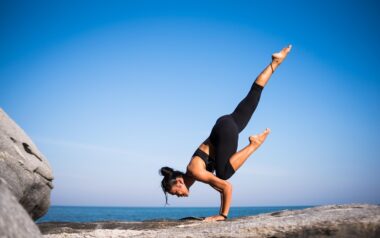

Combining Balance and Plyometric Training for Explosive Power
When discussing athletic performance, balance is often undervalued compared to strength and speed. However, balance plays a crucial role in achieving maximum power output when performing explosive movements. Plyometric training effectively enhances power by utilizing quick, forceful exercises designed to improve an athlete’s explosiveness and efficiency. Combining these two training modalities fosters sports-specific balance, which is critical for athletes who depend on rapid directional changes. This balance training not only improves overall stability but also enhances proprioception. Proprioception is the body’s ability to sense its position in space and responds swiftly to external factors that could disrupt balance. Exercises such as single-leg squats, balance beam training, and stability ball workouts are instrumental in developing this skill set. Additionally, integrating plyometric drills, like box jumps and depth jumps, further refines the athlete’s equilibrium. By cultivating a solid foundation of balance alongside explosive power, athletes set themselves up for optimal performance and reduced injury risk. Compound exercises that challenge stability are integral to this training approach, making the combination of balance and plyometrics a game-changer for athletic development.
The physiological benefits of combining balance and plyometric training are vast. Balance training focuses on enlisting the smaller stabilizing muscles, which can often complement the larger muscle groups engaged during plyometric moves. These stabilizer muscles connect the body as a whole, ensuring smooth and efficient motion during high-demand activities. It is crucial to remember that explosive movements require not only strength but also proper technique. The coordination developed through balance exercises helps athletes achieve the required form when performing plyometrics. A refined technique significantly enhances power generation and minimizes the risk of injury. Furthermore, the cardiovascular benefits stemming from plyometric training outcomes produce significant changes in muscle fibers, making them more explosive. Consistently performing plyometric exercises leads to improved muscle elasticity, which in turn augments the stretch-shortening cycle of muscle movements. During exercises that combine both disciplines, athletes squat on one leg while simultaneously working on explosive jump drills. Such compound movements drastically enhance the efficacy of both training methods, solidifying their importance in an athlete’s regimen. Ultimately, this amalgamation accelerates progress and results in tangible improvements in athletic output.
The Role of Core Stability
Core stability represents a foundational component of athletic performance and is paramount when discussing balance and plyometric training. A strong core supports an athlete’s ability to maintain balance during high-impact movements. Training the core must be prioritized, as it provides a protective mechanism for the spine and pelvis. Specific core exercises, such as planks and rotational movements, can improve posture and stability when engaging in explosive activities. Integrating core stability into plyometric drills allows athletes to control their landing and jumping, ensuring greater safety. It’s essential not to overlook the agility aspect since proficiency in plyometric movements correlates with agility and quickness. Moreover, balance work performed on unstable surfaces challenges the core muscles, fostering a more engaged connection between the upper and lower body. Practicing single-leg balances while adding rotating upper body movements can replicate conditions faced during competitive maneuvers. This focused approach reinforces the brain-body connection required to boost performance consistently. As balance improves, athletes will notice a substantial increase in their explosive capabilities, leading to a more versatile skill set across various sports disciplines.
Incorporating sport-specific plyometric drills maximizes the training’s effectiveness and applicability. An understanding of the athlete’s sport is vital for tailoring the appropriate exercises to achieve optimal performance. Sports like basketball or soccer require explosive power, agility, and quick decision-making skills. Consequently, training regimens should reflect the demands of each sport. For example, basketball players can engage in lateral jump variations and agility ladder drills that mimic their pace on the court. Alternatively, soccer players may focus more on explosive forward jumps and lateral movements that enhance their field performance. All athletes should aim for a proper progression in terms of intensity and complexity, ensuring a gradual adaptation to training stimuli. This progression prevents injuries while fostering improvements in overall performance capacity. Additionally, providing structured feedback during training helps each athlete understand their execution, ultimately enhancing the quality of movements. Video analysis could be a worthwhile investment, allowing athletes to review their jumping and landing techniques. Fostering this awareness paves the way for adjustments that directly impact athletic prowess during competition.
Designing a Balanced Training Program
Creating a well-rounded training program requires careful planning and consideration of each component. A balanced approach will incorporate both balance and plyometric training while addressing overall strength and endurance. Schedule training sessions that alternate between balance work and plyometric exercises, minimizing fatigue and optimizing recovery. Ideally, sessions should commence with foundational strength and mobility work to activate and prime the body for more explosive movements. Keep athletes engaged by varying exercises to prevent redundancy and maintain motivation. Include partner drills that foster competition and camaraderie; this adds a social element, making training enjoyable. Additionally, fostering an aesthetically pleasing and motivating environment in the gym or training area can promote engagement during workouts. Monitoring progress through regular assessments ensures methods are tailored to suit each individual’s needs while tracking data encourages athletes to stay dedicated. This balanced training program must cater to the unique requirements of the athlete, incorporating individual goals and the specifics of their respective sport. Ultimately, this fusion of techniques allows each athlete to shine, achieving explosive results on and off the field.
Nutrition plays an essential role in supporting the training methodologies aimed at enhancing balance and explosive power. Fueling the body with high-quality nutrients before and after workouts is crucial for optimal performance and recovery. Consuming a balanced diet rich in carbohydrates, proteins, and healthy fats ensures that athletes have sufficient energy levels to perform high-intensity training. Appropriate pre-workout meals help maintain sustained energy throughout the session, enabling athletes to push themselves during both balance and plyometric exercises effectively. Post-workout nutrition, including protein and carbohydrates, supports muscle recovery and adaptation, laying the groundwork for improved performance in subsequent sessions. Hydration is equally critical, as even slight dehydration can impair athletic performance. Athletes should aim to replenish lost fluids during and after training, especially during high-tempo sessions. Integrating hydration strategies, such as electrolyte-rich drinks, can further enhance recovery. Collaborating with nutritionists to devise tailored meal plans could significantly impact an athlete’s success, establishing a foundation for peak performance. As balance and plyometric training intensity levels increase, proper nutrition mustn’t be neglected, ensuring the body is adequately supported.
Tracking Progress and Adjustments
Continuously assessing performance is a key aspect of any training regimen focused on balance and plyometric training for explosive power. Establish a routine for evaluating progress through tracking metrics relevant to improved performance. Consider implementing fitness assessments that quantify strength, agility, and balance, allowing both athletes and coaches to identify areas for growth. Being data-driven will encourage coaches to modify workout routines properly and tailor future training sessions according to individual strengths and weaknesses. Video recordings from practice sessions or competitions can serve as valuable feedback tools, enabling athletes to visualize areas in need of improvement. Additionally, facilitating open communication channels between coaches and athletes will provide opportunities for genuine discussion around training experiences. Adjustments to training protocols should be clearly communicated and documented to ensure everyone is on the same page. As adjustments occur, it’s critical to remain flexible in programming, accommodating the unique needs and schedules of individual athletes. This ongoing evaluation and adjustment process will help maintain motivation while driving continuous progress in both balance and strength, ultimately maximizing an athlete’s performance at competitive events.
In summary, the integration of balance and plyometric training serves as an invaluable resource for developing explosive power in athletes. Both are necessary components that contribute essential skills needed for improved performance in various sports. Programs that focus on balance enhance stability and proprioceptive awareness, facilitating smoother transitions into explosive movements. Plyometric training complements and enhances these skills by generating power through short bursts that target both fast-twitch muscles and anaerobic energy systems. When both training methods are expertly combined, the resulting advantages in strength, stability, and explosiveness become apparent. Coaches and athletes alike must prioritize these elements when designing training protocols. Remember that each athlete’s needs should dictate program design while continuously tracking progress ensures effective delivery. Lastly, fostering an environment of communication within athlete-coach relationships maximizes the potential for success, ultimately driving athletes toward their goals. As dedication to training continues, improvements will manifest not only in performance but also in topics like injury reduction and overall health. Therefore, adopting this well-rounded approach to both balance and plyometric training will greatly assist athletes in reaching new heights in their performance journey.