
The Benefits of Core Flexibility in Sports Performance
Core flexibility is vital for athletes seeking to optimize their performance across various sports disciplines. A well-developed core allows for greater stability, optimal power transfer, and improved control during dynamic movements. Flexibility in the core region enables enhanced range of motion, permitting athletes to execute diverse movements without strain or injury. For instance, sports like gymnastics and dance require significant core flexibility for balance and posture maintenance. Additionally, overlapping with other flexibility requirements, core flexibility prevents injuries related to sudden movements. This performance enhancement is especially crucial during competitions when precision is your ally. Incorporating targeted stretching routines designed to increase core flexibility can yield improvements in performance over time. These routines can enhance your agility and quickness, making it easier to perform under pressure. Engaging in core-focused flexibility training allows athletes to withstand the physical demands placed on their bodies, ultimately leading to superior performance outcomes. Hence, prioritizing core flexibility contributes to overall athletic success and longevity in the sport. Don’t overlook this essential aspect of your training regime if you want to remain competitive and injury-free.
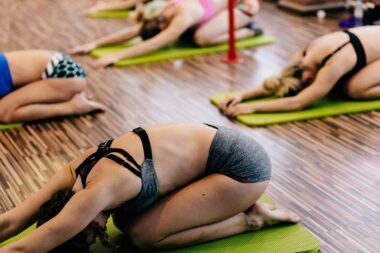
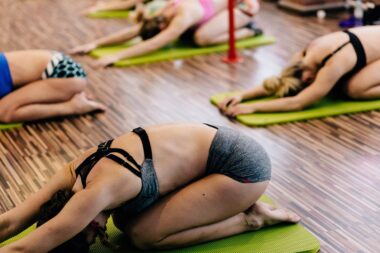
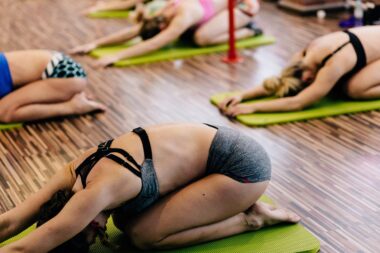
The incorporation of movements that engage the core muscles aligns with essential training goals for athletes. Core flexibility enhances not just athletic performance but also everyday functional movements. Enhanced flexibility in the core supports better body alignment, crucial for successful execution during sporting activities. Increased flexibility results in improved posture and balance, reducing the risk of common injuries like strains and sprains. Integrating yoga or Pilates into training regimens can greatly bolster an athlete’s core flexibility by emphasizing breath control and body awareness. Implementing a consistent stretching sequence can promote blood flow to the core muscles, aiding recovery and reducing muscle tension. Effective core flexibility training not only improves movement patterns but also facilitates the integration of power and stability, becoming a critical element in achieving peak performance. Furthermore, athletes benefit from improved neuromuscular control, vital for executing complex movements. Athletes who engage in flexibility training can achieve that fine balance between strength and suppleness. In essence, core flexibility training serves as a foundation upon which long-term athletic success can be built.
Enhancing Performance through Core Flexibility
Increased core flexibility is directly associated with enhanced athletic performance. Athletes with improved flexibility can execute movements with greater ease and efficiency. This leads to superior performance in sports that demand quick changes in direction, rapid accelerations, and deceleration. Moreover, enhanced core flexibility can lead to a lower risk of injury during high-impact sports like football and basketball. When the core is flexible, it can absorb shock more effectively, protecting vital body structures like the spine and surrounding muscles. This reduction in injury risk is fundamental for athletes looking to maintain their competitive edge. A well-rounded training program that includes core flexibility components encourages improved muscle elasticity and joint health. Additionally, athletes are less likely to experience fatigue during prolonged physical exertion, enhancing overall performance quality. Flexibility training helps athletes respond better to unexpected physical demands, such as sudden stops or hard landings. This immediate responsiveness is crucial for maintaining performance and minimizing injury risk during competition. In conclusion, investing time in developing core flexibility pays dividends in the arena of sports.
Another important aspect of core flexibility is its role in sports-specific skill development. As athletes develop greater core flexibility, they can achieve optimal positions during complex movements associated with their sport. This optimal positioning allows for smoother execution of skills and techniques, contributing to overall athletic proficiency. For example, in sports such as swimming and tennis, improved core flexibility supports fluid stroke mechanics and allows athletes to utilize their entire kinetic chain efficiently. Moreover, athletes with enhanced flexibility demonstrate greater energy efficiency, reducing fatigue levels. This increase in energy efficiency can translate into improved performance as athletes are able to sustain effort for longer durations. A flexible core also facilitates effective muscle recruitment patterns, allowing for power generation to be harnessed efficiently during explosive movements. Through structured flexibility training, athletes create a solid foundation for improving their athletic skills. Additionally, this improved performance can lead to increased confidence and a more enjoyable participation experience. Ultimately, core flexibility serves as an essential pillar in an athlete’s overall training regimen that should be emphasized.
Strategies for Developing Core Flexibility
To effectively develop core flexibility, a combination of stretching techniques should be employed within training routines. Dynamic stretching can be especially beneficial during warm-ups, enhancing blood circulation and muscle elasticity. This prepares the core muscles for more intense activity, reducing the risk of injuries. After workouts, static stretching takes precedence, helping to lengthen and relax the core muscles that may have tightened during exercise. Regular incorporation of foam rolling can further aid in enhancing tissue flexibility and reducing muscle tightness. Furthermore, athletes can utilize resistance training with a focus on core engagement to increase both strength and flexibility simultaneously. Bodyweight exercises such as planks, bridges, or rotations can serve dual purposes of building strength while promoting flexibility. Additionally, establishing mindfulness during training sessions helps athletes pay attention to their bodies and identify tight areas that need extra focus. Consistency remains the key to success in achieving core flexibility. Athletes should integrate these strategies systematically into their routines to maximize effectiveness over time. By doing so, they cultivate a proactive approach to core flexibility, amalgamating strength with suppleness for optimal performance.
The psychological aspects of core flexibility training also play a pivotal role in an athlete’s overall performance. Developing flexibility requires patience, persistence, and a resilient mindset. This mental fortitude translates to other areas of athletic performance, as athletes learn to push through discomfort during training. Additionally, the sense of accomplishment that comes from achieving greater flexibility builds self-confidence, which is essential when competing. Sharing progress with fellow athletes or coaches further strengthens an athlete’s commitment to their training regimen. Setting measurable goals related to core flexibility can motivate athletes to stay dedicated. Moreover, positive visualization techniques can help reinforce the belief in their flexibility capabilities. As athletes become more attuned to their bodies through training, they can develop an enhanced proprioceptive awareness. This awareness fosters greater body control during competition, translating to improved performance under pressure. Emphasizing the importance of the mental component of core flexibility training is crucial for athletes seeking to excel. Ultimately, the connection between mental resilience and physical flexibility creates a harmonious synergy, yielding superior athletic outcomes.
Evaluating Progress in Core Flexibility
Progress evaluation in core flexibility can be monitored using various methods tailored to an athlete’s specific needs. Regular assessments can provide valuable insights into gains achieved over time. One effective approach is implementing standardized flexibility tests, such as the sit-and-reach test or other core-flexibility-specific assessments. Maintaining an accurate record of performance in these tests assists athletes in tracking their enhancements. Keeping a flexibility journal can also facilitate a deeper understanding of the athlete’s performance trajectory. Additionally, incorporating video analysis into the training regimen allows athletes to visualize their movements and identify areas of improvement. Coaches play a critical role in this evaluation process, offering feedback and adjustments during training sessions. Benchmarking progress enhances accountability and motivation for athletes, prompting them to stay focused on their training goals. Furthermore, athletes can encourage peer assessment, creating a supportive environment promoting consistency and growth in core flexibility. As athletes continue to refine their techniques, the process not only nurtures improvements in flexibility but also reinforces commitment to overall athletic development. Ultimately, regular evaluations boost athletes’ confidence as they witness tangible progress.
In conclusion, the critical role of core flexibility in sports performance cannot be overstated. Athletes who prioritize core flexibility often find themselves better equipped to perform at high levels while minimizing injury risks. By developing core flexibility, athletes enhance their overall movement efficiency, enabling them to execute techniques with precision. This performance enhancement is particularly essential for those competing in fast-paced or highly technical sports. Moreover, the positive secondary benefits of increased core flexibility, such as improved posture, stamina, and mental resilience, contribute to overall athletic success. Incorporating targeted training strategies aimed at flexibility empowers athletes to achieve their highest potential. The journey toward improved core flexibility involves an ongoing commitment to practice, self-awareness, and gradual progression. As the integration of core flexibility into athlete training plans becomes more prevalent, it reflects a growing understanding of its impact on success. By valuing and implementing core flexibility training, athletes ultimately enrich their overall athletic experiences, leading to greater enjoyment and achievement in their respective sports. Therefore, athletes should embrace the importance of core flexibility and take actionable steps to enhance this vital aspect of their training.