
Designing Group Functional Training Activities for Kids
Creating engaging group functional training activities for kids requires a thorough understanding of their developmental needs and interests. Kids thrive in environments that foster teamwork, creativity, and fun. The key to designing effective sessions is to incorporate movements that challenge various motor skills while ensuring they are enjoyable. Activities like obstacle courses, relay races, and partner workouts can be appealing to young participants. Using colorful equipment, such as cones, mats, and balls, can enhance their motivation. Safety should always be a priority; therefore, instructing kids on proper techniques and providing supervision is essential. Another effective approach is utilizing themes, such as superheroes or animals, that resonate with children’s imaginations. Themes can transform ordinary workouts into exciting adventures, encouraging children to participate actively. Additionally, incorporating games allows children to learn valuable skills while playing. Creating a supportive environment ensures that every child feels included and valued. Monitoring their energy levels and providing breaks helps sustain their interest. This holistic approach ensures that kids are not only physically active but also developing social skills, improving their coordination, and building confidence through functional training activities.
Incorporating variety in group functional training activities for kids is essential to maintain excitement and engagement. Repeated activities can lead to boredom; therefore, mixing different exercises keeps children interested. Arranging the sessions in rotations allows children to experience multiple movements and modalities, promoting broader physical development. For instance, you may want to cycle through strength-building tasks, cardio exercises, and flexibility routines. Establishing a routine but varying specific exercises can help create familiarity while introducing novelty. This approach aids in skill mastery, essential for young learners. Team challenges can also facilitate cooperation among peers. Moreover, tailoring the difficulty of activities can cater to varying skill levels within the group, ensuring all kids feel successful and challenged. Additionally, setting short competitive elements encourages kids to push their limits without the pressure of long-term competition. Celebrating achievements, big and small, fosters a positive environment and builds confidence. Facilitators should communicate openly with children, encouraging them to express preferences about activities. Feedback helps in further refining the programs. Listening to kids promotes inclusion, ensuring that functional training activities are fun and beneficial for everyone involved.
Implementing Inclusive Training Strategies
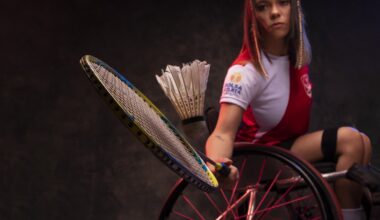
Inclusivity is a critical component when designing group functional training activities for children. It is essential to ensure that activities are accessible to all kids, including those with disabilities or varying abilities. This means adapting activities so that every child can participate fully. For example, using adaptive equipment or modifying movements can accommodate different physical abilities, allowing every child to join in the fun. Encouragement from trainers and peers can help foster a supportive atmosphere that emphasizes teamwork rather than competition. Consider implementing partner exercises that promote collaboration and communication. Pairing children intentionally can aid in creating friendships and promoting interaction among diverse skill levels, making every session about more than just physical training. Furthermore, providing clear instructions and demonstrations will enhance understanding. Teaching kids about the importance of inclusivity will help instill values of respect and kindness towards each other. As they engage in functional training, children learn the importance of helping one another. Creating a culture of inclusivity will not only result in a better training environment but develop character and empathy in children beyond the training sessions.
Safety measures are vital when organizing group functional training activities for kids, ensuring a positive experience. It is crucial to prepare the training space adequately, inspecting for hazards or potential dangers. Establishing clear guidelines for behavior and exercise techniques will help maintain safety during sessions. Monitoring children’s form and movements is essential, as proper techniques can prevent injuries and instill good habits. Ensure children warm up before starting, as this prepares their muscles for activity. Incorporating cool-down periods at the end of sessions fosters recovery and educates kids about the importance of maintaining their bodies. The equipment used should be age-appropriate and properly maintained. Trainers should always remain vigilant, paying attention to the children’s energy levels and moods. It’s important to encourage kids to communicate any discomfort or fatigue they feel during activities. Educating children about recognizing their limits empowers them to make smart decisions regarding their participation. Furthermore, reinforcing hydration and healthy nutrition requires discussions about the importance of fueling their bodies. This holistic approach ensures that safety remains a priority while promoting a positive atmosphere for physical activity.
Building a Positive Atmosphere
A positive atmosphere during group functional training activities is integral to children’s overall experience. Creating an environment filled with encouragement and support fosters confidence and reinforces the enjoyment of physical activity. Trainers should model enthusiasm and positivity, as this energy can be contagious. Remember to celebrate milestones achieved by students, no matter how small, as recognition enhances their belief in themselves. Implementing a reward system may motivate kids further, encouraging them to strive for personal bests while feeling celebrated. For instance, you can award stickers or certificates to recognize improvement and teamwork. Additionally, employing playful language and avoiding excessive criticism are essential. Instead, focus on constructive feedback that appreciates effort and progress. Communication is key; engaging with kids and listening to their thoughts and feelings builds trust. Sometimes they might prefer specific activities; accommodating these preferences where possible strengthens their engagement. Incorporate a variety of music during sessions, as upbeat tunes can elevate energy levels, making activities more fun. When children feel valued and supported, they’re much more likely to develop an enduring love for fitness, ensuring a healthy lifestyle into adulthood.
Measuring progress in group functional training activities for kids is an essential aspect of development. Observing improvements in skills, coordination, and overall fitness provides valuable insight into the effectiveness of the program. Simple assessments such as timed events or skill challenges will help track their growth. However, it is crucial to focus on personal development rather than competition between children. Every child progresses at their own pace, and celebrating individual growth leads to greater self-esteem. Trainers should maintain open communication with parents, providing updates on their child’s performance and areas of improvement. Regular feedback loops will keep parents informed and engaged, reinforcing the importance of the program at home. Utilizing tools like progress charts displaying advancements can greatly motivate young participants. Additionally, encouraging self-assessment promotes awareness of personal growth, allowing children to set their own fitness goals. As kids become accountable for their achievements, they start taking ownership of their fitness journey. Establishing milestones and goals reinforces commitment, encouraging them to remain active and engaged in the program. This ultimately fosters a learning environment that encourages continuous growth and fosters a healthy lifestyle well into the future.
Conclusion and Future Directions
In conclusion, designing group functional training activities for kids involves creativity, adaptability, and a focus on inclusivity. Incorporating engaging, varied activities encourages kids to be excited about fitness while developing essential motor skills. By providing clear guidelines, fostering a positive atmosphere, and emphasizing safety, trainers can create impactful programs that cater to diverse needs. As trainers adapt their approaches based on feedback from participants, they not only improve their techniques but also ensure a collaborative environment. The lasting benefits of functional training extend beyond physical health, promoting social skills, teamwork, and confidence in kids. Future directions for this area may include the development of specialized training modules for specific age ranges or abilities. Collaborating with education professionals and healthcare providers can further enhance the structure and delivery of activities. Exploring technology integration, like fitness apps or gamified experiences, can also revolutionize engagement. Overall, the commitment to fostering a love for physical activity in children must remain at the forefront of group functional training endeavors. Ensuring that children enjoy their fitness journeys can lead to healthier lifestyles and positively influence their long-term physical and mental well-being.
Engaging children in functional training involves maintaining their interest through interactive, educational, and fun approaches. Including a broader focus on overall well-being ensures that the activities not only improve fitness but also foster a love for physical activity that lasts a lifetime. Acknowledging the importance of flexibility, strength, and coordination prepares kids for an active life, enabling them to enjoy various sports and activities. Functional training for kids directly correlates with improved performance in other physical domains. Therefore, it is vital to continually assess and adapt training techniques as children’s skills develop. As fitness trends evolve, staying updated on innovative teaching methods is crucial to keep sessions fresh and exciting. Exploring collaborations, professional workshops, or community programs can enrich trainers’ knowledge and implementation strategies. The importance of creating supportive relationships within this fitness environment cannot be understated; connecting with the kids directly impacts their motivation. In addition, encouraging families to participate, whether through family exercise days or parent-child challenges, strengthens community ties and enhances physical activity enjoyment. Ultimately, designing group functional training activities that’s stimulating and engaging is of paramount significance for nurturing well-rounded, physically active children.