
Incorporating Stability Discs in Your Core Training Routine
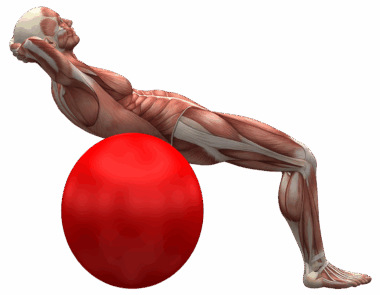
Stability discs have become increasingly popular due to their versatility and effectiveness in core training. These inflatable discs are designed to challenge your balance, which enhances engagement of core muscles during workouts. By incorporating stability discs, you can target not just the abs, but also stabilizing muscles in your hips and lower back that are essential for overall body strength. When using these discs, you will need to engage your core to maintain balance, thereby providing an efficient workout. This ensures that every exercise performed is working multiple muscle groups at once, offering greater benefits compared to traditional exercises. Stability discs can be used in a variety of exercises, including planks, squats, and push-ups, creating an exciting and diverse workout routine. Their portability also makes them a convenient option for home gym setups or even travel workouts, allowing users to stay active wherever they are. As you begin to incorporate stability discs into your routine, start with basic exercises and gradually progress to more advanced movements as your balance and strength improve.
Using stability discs effectively requires some understanding of proper techniques. An important aspect is to ensure that you are placing the disc properly beneath your feet or hands before beginning each exercise. Depending on your balance abilities, start with a larger disc or reduce the air within the disc for initial exercises. As you become more comfortable, increase the challenge by pumping more air into the disc, progressively improving your stability and strength. Keep your movements controlled and avoid jerky actions, as this may lead to injuries. Focus on engaging your core throughout each exercise to maximize effectiveness. Stabilizing muscles can be recruited more effectively when you perform slow and mindful movements. It’s also essential to maintain proper posture to ensure a safe and effective workout. When your posture is correct, you can reduce the risk of injury and ensure optimal engagement of your core muscles. Lastly, remember to incorporate adequate rest between exercises to allow muscle recovery and to prevent fatigue, which can interfere with your performance on the stability disc.
Benefits of Stability Discs
The use of stability discs offers numerous benefits for those seeking to enhance their core training routine. One significant advantage is the improvement in balance and coordination, as standing or balancing on a disc necessitates increased neural engagement. This results in better muscle recruitment patterns over time. Stability discs are also multifunctional pieces of equipment, enabling users to perform a wide array of exercises. From basic holds to complex compound movements, they stimulate functional training for everyday activities, making movements more efficient in daily life. Another benefit is the way stability discs can be adjusted to match your fitness level. Beginners can start with simple exercises, while advanced trainers can utilize more challenging variations. Additionally, these discs increase core muscle activation, helping to sculpt and strengthen abdominal muscles effectively. Due to their unstable nature, they can engage even muscles that traditional exercises might miss. As you navigate your core training routine, regularly integrating stability discs can lead to long-term results and noticeable improvements in overall fitness.
When adding stability discs into your routine, take some time to plan an effective program. Ensuring variety in your exercises is key to preventing boredom and stimulating different muscle groups. Depending on your fitness level, create a balanced combination of cardiovascular, strength, and flexibility workouts incorporating stability disc exercises. You might consider a weekly schedule where you dedicate specific days to focus on different muscle groups. For instance, abs could be combined with upper body routines on one day, while lower body workouts can be addressed on another. As you build your fitness routine, tracking your progress becomes essential. Consider keeping a workout diary or using fitness apps to log the exercises performed and monitor improvements. Tracking will motivate you to keep going and may reveal patterns or areas needing adjustment. As you gain experience with your stability discs, challenge yourself to increase the duration or intensity of workouts, keeping in mind the principle of progressive overload. Gradual progression leads to continual muscle adaptation and overall enhancements to your core strength.
Common Exercises with Stability Discs
Several effective exercises can be performed using stability discs. One of the most recognized exercises is the stability disc plank. By placing your forearms on the disc while maintaining a plank position, you’ll activate your core while simultaneously working your shoulders and hips. This variation greatly increases the intensity of an already challenging exercise. Another popular choice is the stability disc squat, where you stand on the disc while performing a squat. This recruits stabilizing muscles and engages your core effectively. For those looking for upper body workouts, using stability discs for push-ups allows you to challenge your chest, shoulders, and triceps, all while engaging your core. Furthermore, single-leg deadlifts become a core challenge with a stability disc placed under the standing leg, ensuring balance is achieved. Lastly, you can explore seated exercises, like Russian twists on the disc, which actively engage both the core and oblique muscles. Including these variations in your routine will not only enhance core strength but also improve overall fitness levels.
As with any training routine, safety should always be a priority while using stability discs. Start with exercises that you feel comfortable performing, and gradually increase the difficulty as your confidence builds. It’s essential to maintain constant awareness of your body mechanics throughout the workouts. This includes keeping your spine neutral and avoiding excessive arching or rounding. Improper form while on a stability disc may lead to injuries, especially in the lower back area. To prevent injuries and enhance performance, take the time to warm up properly before hitting the mat, focusing on your major muscle groups. Stretching and mobility work can offer crucial preparation for your upcoming core-focused exercises. Additionally, cool down following your workouts to promote recovery and flexibility. Keep in mind that rest days are also part of a healthy regimen, allowing your body to recover and grow stronger. Hydration plays a vital role in supporting your workouts, so make sure to drink enough water before, during, and after your training sessions. Incorporating these safety measures will ensure sustainable progress in your training.
Conclusion
Incorporating stability discs into your core training routine is an effective method for enhancing your fitness journey. Their ability to promote balance, core engagement, and an effective workout regimen provides numerous advantages. As highlighted in this article, you can enjoy a rich variety of exercises tailored to suit your abilities. The versatility of stability discs means that both beginners and seasoned fitness enthusiasts can benefit from their use. By embracing these dynamic challenges, you not only improve your core strength but also develop functional movements for daily activities. Consider establishing a structured plan to introduce stability disc exercises into your workouts, taking note of your personal goals and limitations. Above all, focus on maintaining a safe and effective workout routine, which will produce better outcomes in the long run. As you achieve greater stability and strength, the rewards of using stability discs will become evident, empowering you to increase the intensity of your workouts. Embrace this training tool, and take your core training routine to the next level for enhanced results.