
Fun Fitness Challenges to Engage Children and Teens
Engaging children and teenagers in fitness can be a challenge, but incorporating fun fitness challenges is a great way to inspire enthusiasm. One approach is to create friendly competitions that encourage physical activity. For instance, setting up a weekly relay race can foster teamwork and promote cardiovascular fitness. These races can include various activities such as running, skipping, or even obstacle courses, making them more exciting. Additionally, utilizing fun props like inflatable balls or hula hoops can make these challenges more interactive and enjoyable. Another idea is to engage youth in a scavenger hunt that requires them to complete fitness-related tasks at each location. This combines exploration with exercise, keeping kids active while having fun. Furthermore, incorporating prizes can motivate participants to strive for their personal bests, whether it’s a small medal or points towards a bigger goal. With creativity and teamwork, fitness challenges can transform exercise into an enjoyable experience, helping youngsters develop healthy habits that last a lifetime.
Moreover, outdoor adventures provide more opportunities for engaging fitness challenges that promote physical well-being. Organizing group hikes enables children and teens to explore nature while simultaneously enhancing their cardiovascular endurance. Adding elements like nature scavenger hunts can create added excitement, as participants will look for specific fauna or landmarks. Mountain biking is another excellent option that not only boosts fitness levels but also increases excitement and teamwork as they navigate different terrains together. Supplemental instructions can incorporate safety and teamwork aspects, fostering a collective responsibility among participants. Indoor settings also can present chances for challenges. Establishing a mini Olympic event, where kids participate in basic athletic competitions, is an option to keep them active. Ensure a variety of activities, including jumping jacks, sprint relays, and high jump challenges, so everyone can participate regardless of skill levels. This way, it encourages inclusivity and helps build friendships among participants. Overall, these fitness challenges provide a platform for skill improvement while fostering social connections, essential in youth development.
Incorporating Technology into Fitness
As technology evolves, incorporating it into fitness challenges can further encourage children and teens to stay active. Using fitness apps that track movement or time spent on activities can provide a modern twist. Challenges can be designed around fitness tracking, setting personal goals for kids to achieve each week. Participants can aim to walk a specific number of steps or complete a certain number of activities each day. This introduces a friendly competition as they can compare progress with peers. Social sharing on platforms can also provide encouragement and accountability, creating a supportive community. For instance, students can share their daily achievements in a group chat or on social media platforms. Further, organizing virtual fitness challenges allows for broad participation, where youth from different locations can compete together. Activities like virtual dance-offs, online workout classes, or fitness game tournaments foster camaraderie despite physical distance. Integrating technology in this way not only modernizes fitness but also appeals to the interests of young individuals, creating exciting opportunities for engagement and connection through shared goals.
Another innovative approach is to integrate nutrition education into fitness challenges. Creating a combined program that emphasizes healthy eating alongside physical activity encourages comprehensive well-being for young participants. A challenge could involve cooking classes or workshops focusing on preparing healthy snacks. Kids can learn about the importance of nutrition and how certain foods fuel their bodies during physical activities. Encouraging participants to keep a food diary can create awareness about their eating habits. Additionally, organizing smoothie-making contests can be both fun and educational. This encourages them to experiment with various fruits and vegetables, discovering healthier options actively. Balancing nutrition knowledge with physical challenges solidifies their understanding of health as a holistic concept. Bringing in local chefs or nutritionists to guide sessions can further enrich the experience. Ultimately, intertwining fitness challenges with nutritional education not only develops healthy habits but also empowers youth to make informed choices about their health, leading them toward a brighter, healthier future.
Safety First in Fitness Activities
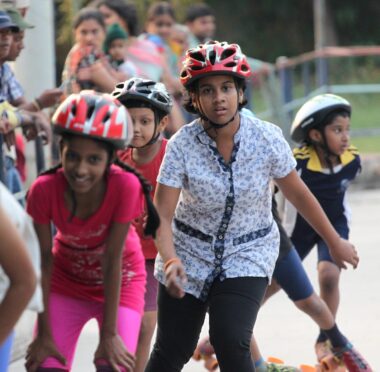
Ensuring safety in any fitness challenge is crucial for fostering a positive environment. Organizers should emphasize proper warm-up and cool-down routines before and after each activity to reduce the risk of injuries. Safety equipment, like helmets, knee pads, or shin guards, should also be utilized in certain sports or physical challenges. Educating participants on safe practices helps them understand boundaries while participating in physical activities. Providing adequate hydration stations and promoting water breaks during physically demanding activities is invaluable. This helps prevent dehydration, especially during high-energy events. Furthermore, ensuring adequate supervision can maintain safety standards, enhancing a sense of security among participants. Having trained adults or instructors present can ensure that all activities are carried out correctly and safely. Creating an open channel for communication where participants can express any concerns regarding safety issues encourages a transparent environment. By implementing these safety measures, everybody can focus on having fun and improving their fitness levels without the underlying worry of potential injuries, ultimately enhancing the overall experience.
Adding an element of creativity to fitness challenges can captivate young minds and keep their interest piqued. Hosting themed workout days provides opportunities for kids to express themselves while engaging in exercise. Encouraging participants to dress up according to the theme adds an element of fun and excitement. Popular themes range from favorite sports teams to superheroes and many more. Furthermore, incorporating arts into fitness challenges can provide a unique approach. Activities like dance workouts facilitated by engaging music can encourage movement while allowing them to learn various dance styles. Providing platforms for self-expression enables youngsters to enjoy physical activity without feeling pressured by competition. Incorporating creative tasks, such as designing workout logos or creating exercise routines, with rewards for outstanding creativity encourages ownership of their fitness journey. Additionally, collaborative arts and crafts can cultivate opportunities for socialization. Establishing a creative fitness challenge enhances all aspects of physical fitness, from teamwork to personal expression, ultimately creating an enjoyable and well-rounded approach to keeping fit.
Community Engagement through Fitness
Engaging the community in fitness challenges allows children and teens to build connections beyond their immediate social circles. Organizing community events, such as fun runs or family fitness days, encourages participation from individuals of all ages, creating a sense of belonging. Involvement in community service events, which combine fitness with charitable causes, can instill values of teamwork and social responsibility in kids and teens. Having youth volunteer to assist with planning, setting up, or cheering for local fitness events creates ownership of the activities. Partnering with local businesses for sponsorships or resources can foster collaboration. Additionally, hosting fundraising challenges with specific goals can help youth experience the joy of giving back through fitness. For instance, a walk-a-thon raises funds to support local charities while promoting healthy habits. Creating local fitness clubs can also unite like-minded youth in their pursuit of an active lifestyle while establishing friendships. Overall, focusing on community engagement through fitness challenges not only aids personal development but also strengthens community bonds, making fitness a valuable endeavor.
In conclusion, fun fitness challenges provide a wonderful opportunity for children and teens to engage in physical activity while promoting a healthy lifestyle. By creatively incorporating technology, nutrition education, arts, and community engagement into fitness programs, kids can find joy and fulfillment. Maintaining safety as a focal point ensures that everyone can participate freely while enjoying their journey toward fitness. Additionally, variety in activities keeps participants motivated and eager to return for more. Involving parents and families is essential to establish a supportive environment, making fitness both a family and community affair. Celebrating achievements and milestones fosters encouragement while inspiring peers to strive for their best. The beauty of fitness challenges lies in their ability to adapt, evolve, and incorporate new ideas to meet the interests of young individuals. As they embark on these exciting experiences, children and teenagers not only develop healthy habits but also build skills that extend beyond the realm of fitness. Embracing fun fitness challenges is a compelling way to instill a lifelong passion for health and well-being in future generations.