
Advanced Coordination Drills Using Functional Training Methods
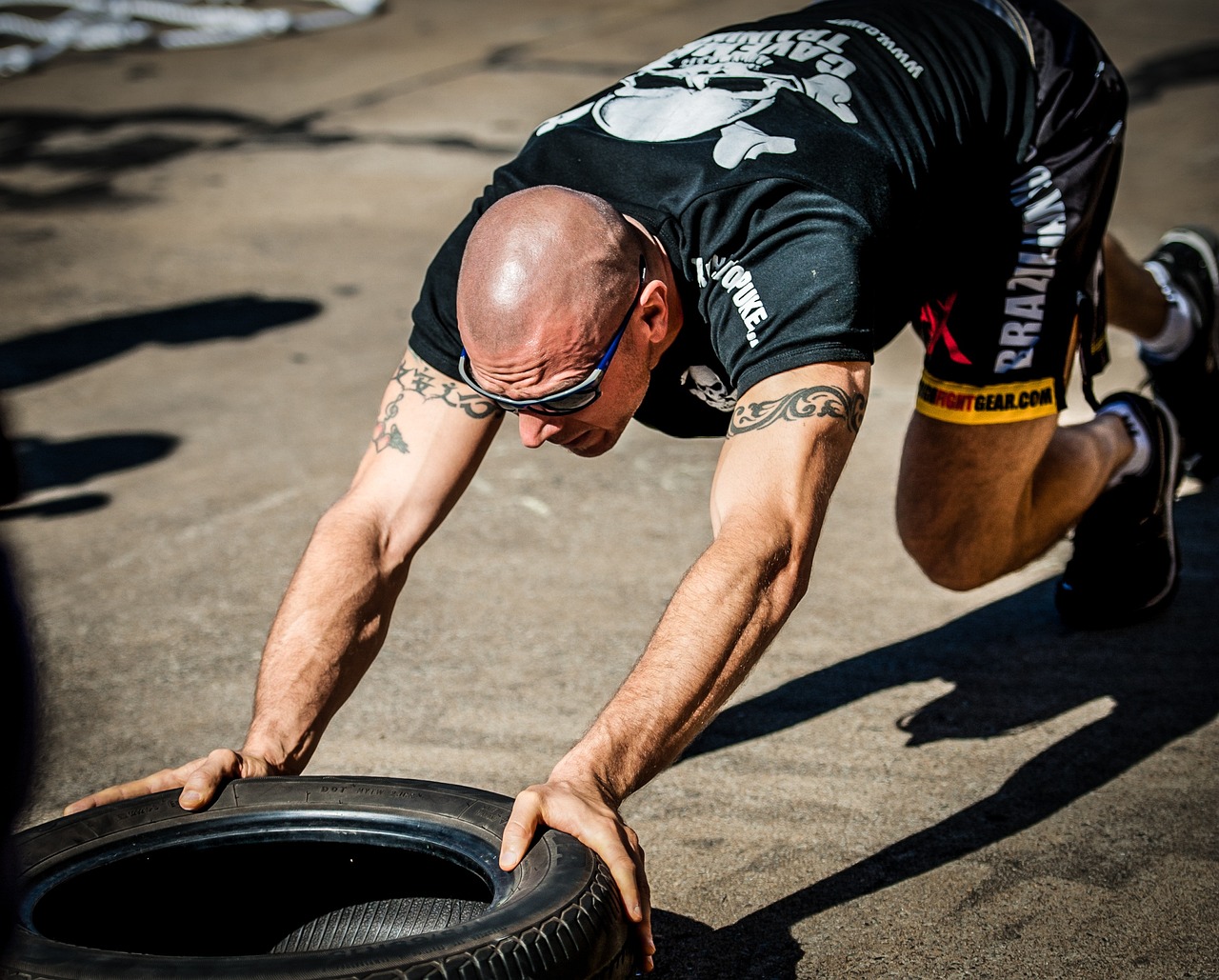
Functional training has gained immense popularity over recent years, primarily due to its effectiveness in enhancing overall athletic performance. The utilization of advanced coordination drills can significantly boost one’s agility, balance, and overall coordination. These drills help athletes perform better in sports and everyday activities by simulating real-world movements. By focusing on multi-dimensional movement patterns, functional training aids in improving not only strength but also proprioception, which is our body’s ability to sense its position in space. Coordination is vital for reducing the risk of injuries, ensuring athletes maintain control and balance during dynamic movements. Incorporating these advanced drills into training regimens can lead to improved performance across various sports disciplines. Athletes engaging in these functional training techniques gain greater awareness of their body and learn to move efficiently. Furthermore, these drills can be easily modified to accommodate any fitness level, making them accessible to all. Regardless of age or experience, functional training’s focus on coordination can be a game changer. By connecting mind and body through these drills, athletes can enhance their skills and build a solid foundation for future success.
Incorporating Balance Training
Incorporating balance training into your functional workout routine can provide numerous benefits. This type of training emphasizes the control of body weight during various movements, which is crucial for coordination. By adding balance drills, athletes can develop neuromuscular connections that enhance reflexes and response times. These drills range from stability ball exercises to single-leg balances, targeting the core and legs while promoting stability. For instance, practicing single-leg balances while performing exercises involving weights not only builds balance but also strength, which translates to improved performance in other athletic endeavors. Furthermore, employing tools like Bosu balls or balance boards can intensify these workouts, introducing instability that forces the body to engage more muscles. The result is increased strength in stabilizing muscles, crucial for sports where precise movements are needed. Implementing balance training into functional workouts can make training sessions more engaging as well. As athletes improve their balance, they can incorporate increasingly challenging exercises, continuously pushing their limits. Moreover, these skill enhancements play a significant role in injury prevention, as they train the body to respond appropriately to unforeseen challenges during activity. Sports performance improves as coordination and balance work hand-in-hand.
Using plyometric exercises as part of coordination training never fails to uplift performance. Plyometrics, known for their explosive nature, build strength and improve coordination effectively. Incorporating drills such as box jumps, burpees, or lateral hops can significantly enhance an athlete’s foot speed, agility, and overall power. These high-energy movements require not only physical strength but also mental focus, as athletes must be precise in their movements to avoid injury. When performed regularly, these exercises promote fast-twitch muscle fiber engagement, developing speed and agility alongside coordination. Emphasizing landing mechanics during such drills safeguards against injury. Practicing safe landing techniques ensures athletes maintain control and balance while preparing their bodies for dynamic movements. Furthermore, plyometric training can be adapted for different athlete levels, making it suitable for beginners and advanced individuals alike. Whether utilizing body weight exercises or integrating resistance bands, the key remains in the athlete’s commitment. As a result, athletes experience improved performance and enhanced motor control, which translates directly to their respective sports. Plyometric-based drills foster a powerful synergy between speed, strength, and coordination that is unparalleled in traditional workouts.
Utilizing Resistance Bands
Resistance bands can be an excellent tool for promoting coordination through functional training. These versatile bands facilitate a wide range of movements that strengthen muscles while improving coordination. By adding resistance to exercises, bands require the body to stabilize itself throughout the motion, engaging core muscles and enhancing overall coordination. Athletes can perform various drills with bands, including lateral shuffles, banded squats, or arm raises, all while maintaining posture and control. One notable advantage of resistance bands is their adaptability; they cater to different fitness levels and can easily be integrated into complex movements. Incorporating resistance bands into functional training pushes the participant to focus on movement quality, enhancing proprioception through controlled ranges of motion. This process develops muscle memory vital for executing precise movements. Moreover, training with resistance bands offers flexibility in adjusting resistance levels, which is perfect for progressive training. By gradually increasing the tension, athletes can continue challenging their coordination. This adaptability allows athletes to target specific muscle groups effectively while remaining within control, ensuring a balanced approach. By embracing resistance bands in coordination training, individuals can expect enhanced athletic performance and improved overall functional capacity.
Agility ladder drills serve as an effective method for training coordination, combining physical fitness with agility enhancement. These drills not only engage multiple muscle groups but also stimulate the central nervous system, pushing coordination boundaries. Simple movements such as hopping, side stepping, or rapid foot placements through the ladder build speed and improve reaction times. Working on patterns within the ladder creates neurological pathways that foster enhanced coordination, making it easier for athletes to adapt to unforeseen movements in their sports. Additionally, employing agility ladders during training sessions also emphasizes cardiovascular endurance, improving overall fitness levels. Athletes can perform these timed drills in intervals, allowing the heart rate to accelerate while challenging coordination. The versatility of agility ladders makes them suitable for any fitness level, from beginners to elite athletes. Coaches can modify drills according to targeted skills, ensuring that training remains dynamic and engaging. These drills can often be performed in teams, creating a competitive yet friendly atmosphere. As athletes continue mastering agility ladder workouts, they can expect improved coordination, speed, and overall athletic performance that applies directly to their respective sports and daily activities.
Integrating Team-Based Drills
Integrating team-based drills into coordination training significantly enhances camaraderie while developing essential skills. These drills promote cooperation, focusing on executing movements correctively while ensuring team synergy. Exercises like relay races or partner passing drills cultivate communication among teammates as they work through complex patterns together. This interaction challenges participants to listen and react, facilitating improved coordination. Working within a team also provides accountability, motivating members to strive for optimal performance. Team drills can include dynamic movements like shuttle runs or 5-on-5 small-sided games that push participants to stay agile and responsive. Furthermore, these drills are excellent for creating excitement, ensuring athletes remain engaged while honing their coordination skills. Adding playful competitive elements enhances motivation levels, ultimately contributing to athlete growth. Training together nurtures trust and builds friendships, further solidifying team bonds. When athletes share a common goal, their dedication intensifies, yielding remarkable improvements in coordination. Each member can bring their unique strengths while supporting one another, building resilience and confidence. Ultimately, the combination of fun and focus within team-based drills paves the way for not just skill enhancement but also the cultivation of a cooperative environment within a training context.
Sports-specific drills play a significant role in tailoring functional training toward enhancing athletic coordination. These drills cater to the unique demands of each sport, ensuring athletes hone the necessary skills for optimal performance. By customizing drills for specific sports, athletes can sharpen their focus on game-related movements while fostering coordination. For instance, basketball players benefit from drills that emphasize directional changes, footwork, and ball-handling skills. Similarly, soccer players require quick changes in speed and direction, which can be simulated through targeted drills. The integration of sport-specific movements in training promotes skill transfer, ensuring that athletes develop coordination relevant to their sport, effectively bridging the gap between practice and competition. Furthermore, incorporating drills that mimic game scenarios prepares athletes for real-life situations, enhancing decision-making skills along with physical capabilities. Each sport has its rhythm, and understanding this rhythm leads to improved performance. Developing coordination through targeted drills allows athletes to extend their capabilities beyond their current potential. As sports-specific training continues to evolve, athletes who embrace these tailored drills remain at the forefront, gaining the competitive edge needed for success in their sport.
In conclusion, integrating advanced coordination drills through functional training methods significantly impacts performance. As each drill targets specific skills and patterns, athletes find their coordination improving while also enhancing overall fitness levels. Whether employing agility ladders, resistance bands, plyometrics, or team-based activities, the key is to remain consistent and progressive in training. Each component contributes to stronger neuromuscular connections, ultimately translating to enhanced athletic performance. From understanding the importance of balance training to customizing sport-specific drills, athletes have ample resources and techniques at their disposal. Through diligence in implementing these practices, athletes not only refine their coordination skills but also build resilience and confidence. As such, athletes can approach their sports with renewed vigor, embracing the challenges that lay ahead. Ultimately, these advanced coordination drills refine performance, motivate athletes to push their limits, and foster an environment of growth and community. As you explore functional training methods, remember the importance of coordination in achieving your sports goals and enhancing your overall athletic capability. Let these practices become a cornerstone of your training routine, and witness the positive effects unfold in your performance.