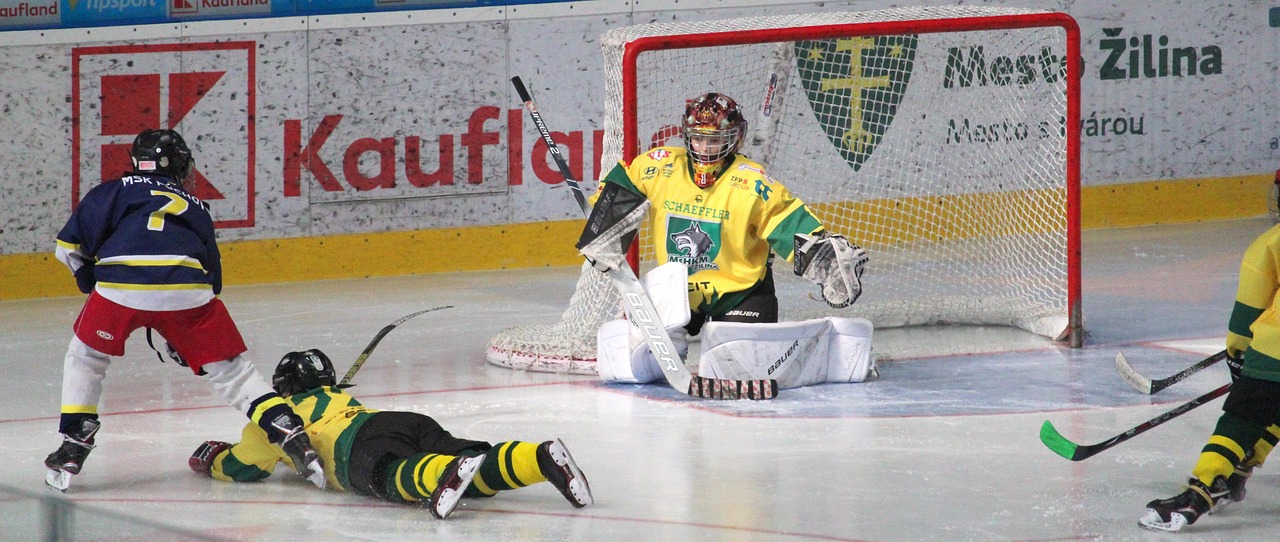

Basic Rules and Regulations of Roller Hockey
Roller hockey is an exciting and fast-paced team sport that combines elements of traditional ice hockey and roller skating. The game is played on various surfaces such as wood or concrete, promoting different styles of play and tactics. In roller hockey, each team consists of five players, including a goalkeeper. The game format typically allows for three periods, each lasting around twenty minutes, fostering intense competition and athleticism. Unlike ice hockey, roller hockey places a greater emphasis on skillful stick handling and precise skating techniques due to the differences in the playing surface. Additionally, teams may call timeouts to regroup and strategize, making for dynamic and thrilling gameplay. Players should wear appropriate gear, including helmets, knee pads, and protective gloves, to ensure safety while navigating the rink. The objective is simple: score more goals than the opposing team while adhering to specific rules and regulations. Understanding these guidelines prepares players for respectful competition and fair play, which is vital for fostering sportsmanship within this energetic sport.
Game Play and Scoring System
During regulation play, teams work collaboratively to pass and maneuver the ball past defenders and the opposing goaltender. In roller hockey, a goal is scored when the entire ball crosses the goal line, emphasizing the importance of precision in shooting. To keep the game flowing, players should utilize various offensive strategies that include quick passes and strategic positioning on the rink. Defense is also critical, as players must focus on blocking shots and intercepting passes to prevent scoring opportunities. Various leeway exists, allowing the referee to make judgment calls regarding penalties, such as minor fouls that can result in power plays for the opposing team. Roller hockey emphasizes a non-contact approach compared to traditional hockey but remains aggressive. Penalties can vary in severity, contributing to the game’s tactical nature, as players must adapt to circumstance while still prioritizing teamwork. Additionally, games may culminate in overtime or shootouts when scores are tied, leading to thrilling finishes that keep fans on the edge of their seats. This excitement fuels the sport’s growing popularity and showcases the skill level players bring to the rink.
Understanding the position-specific roles helps players optimize their performance during matches. In roller hockey, positions include forwards, defensemen, and the goaltender, each with unique responsibilities that contribute to the overall gameplay. Forwards are tasked with generating offensive pressure, creating scoring opportunities, and supporting defense when necessary. Defensemen must prioritize blocking shots, winning puck battles, and disrupting the opposing team’s plays, which requires strategic positioning and awareness. Finally, the goaltender plays a critical role by protecting the net, while utilizing quick reflexes and strong decision-making skills. Goalies need specialized equipment that allows for movement, agility, and protection against high-speed shots. Communication between team members is essential for success, as players must effectively relay information and adapt to changing situations. Practicing these roles during training sessions enhances teamwork and builds rapport among players. Coaches often develop specific drills that enable participants to hone their skills in each designated position, ensuring readiness during matches. This comprehensive understanding of positions ultimately enhances both individual and team performance. Knowledge of positional play may lead to more dynamic and entertaining games that captivate players and fans alike.
Safety Regulations and Gear Requirements
Player safety in roller hockey is of paramount importance, necessitating adherence to specific gear requirements established by governing bodies, such as the International Roller Sports Federation. Each player must wear a helmet to protect against potential head injuries and ensure safe gameplay. Additional protective equipment includes shin guards, elbow pads, mouthguards, and specialized roller hockey skates designed for mobility and agility on the rink. Properly fitted gear maximizes effectiveness whilst minimizing injury risk. Goalkeepers are required to wear additional padding, including leg pads, chest protectors, and specialized gloves to adequately protect themselves from shot impact. League rules often outline specific guidelines regarding equipment compliance to maintain a safe and fair playing environment. Regular inspections of player gear ensure athletes can compete confidently without fear of mishaps during a game. In addition to personal protective equipment, teams should be equipped with a well-maintained ball and recognized for their adherence to league rules. Understanding these safety regulations and complying with them enhances overall enjoyment for players, coaches, and spectators alike, promoting a culture of respect and consideration for all participants involved.
Conducting practice sessions assists players in refining their skills and building a camaraderie that enhances overall performance. Training often includes a combination of drills focused on skating skills, ball control, passing accuracy, and shooting techniques. These sessions encourage creativity and adaptability, which are essential qualities for success in roller hockey. Coaches may utilize small-sided games to provide participants with opportunities to practice scenarios they’ll encounter during matches, while also fostering teamwork in high-pressure environments. Video analysis can also be beneficial for studying gameplay, identifying areas for improvement, and reinforcing strategies. Strong communication skills are developed as teammates learn to rely on one another for success. As players enhance their physical conditioning, they also learn the importance of endurance in executing demanding skating routines. Additionally, dedicating time to mental preparation, such as visualization techniques, aids athletes in honing their competitive edge. Ultimately, the combination of physical and mental training prepares players for the realities of competition, fostering a passionate group dedicated to achieving shared success on the rink. Overall, dedication to practice and development elevates the overall experience of roller hockey.
Common Penalties and Sportsmanship
Roller hockey incorporates a structured set of penalties designed to maintain fairness while safeguarding player safety. Common penalties include tripping, holding, high sticks, and interference, which can result in minor penalties or power plays for the opposing team. Understanding the consequences of these infractions is vital for players seeking to maintain discipline on the rink. Sportsmanship plays a significant role, as players are expected to demonstrate respect for fellow competitors, officials, and the game itself. A positive attitude contributes to a competitive yet enjoyable atmosphere, where all individuals can thrive. Additionally, coaches often emphasize the significance of ethical conduct during practice and games, rooting for an environment of encouragement and teamwork. Instilling these values from a young age fosters future generations of roller hockey players who prioritize integrity and sportsmanship. Penalty enforcement gauges players’ dedication to upholding these principles while challenging them to stay composed under pressure. Promoting a culture of respect enhances the roller hockey experience for all involved, strengthening the bond between players and their teams.
As roller hockey gains popularity around the world, various leagues have begun to establish their own unique rules, which can vary significantly based on location and governing organization. Rules may differ regarding game length, number of players, and even scoring methods. Understanding local regulations is crucial for players and coaches alike to ensure compliance and enhance competitive play. For instance, some leagues may implement a running clock, while others may stop the clock for every goal scored, prompting teams to strategize differently. With increasing interest in roller hockey, organizations are working diligently to standardize certain aspects of the game while still allowing for regional variation. Participation in competitive leagues often leads to increased skill development and depth of knowledge about the sport. By engaging in regional tournaments, teams can gain exposure to different playing styles and approaches to gameplay and strategy. Fans of roller hockey will find the dynamism of the game fascinating, showcasing how variation in rules can change the dynamics of competition. This continual evolution also keeps existing players engaged while inspiring new enthusiasts to join the sport.
As players commit to the ongoing journey of improvement, the roller hockey community continues to grow. By participating in organized leagues and events, players can access coaching resources, clinics, and training opportunities to develop their skills further. Networking within the community brings together individuals who share a passion for the sport, fostering friendships that transcend team boundaries. Social media platforms and forums provide spaces for players to exchange ideas, strategies, and experiences, allowing for knowledge sharing beyond the rink. As interaction increases, so does the spirit of collaboration and support. Furthermore, leagues and organizations may also establish scholarships for athletes, encouraging participation at younger ages and promoting the development of future talent. Various outreach initiatives also exist to introduce roller hockey to different communities. The combination of grassroots programs and competitive events has helped advance roller hockey in schools and local leagues as families embrace this unique and rewarding sport. This growth trajectory is promising, showcasing how teamwork and dedication can elevate roller hockey’s presence in the sporting landscape, captivating both participants and fans alike, ensuring its future success.