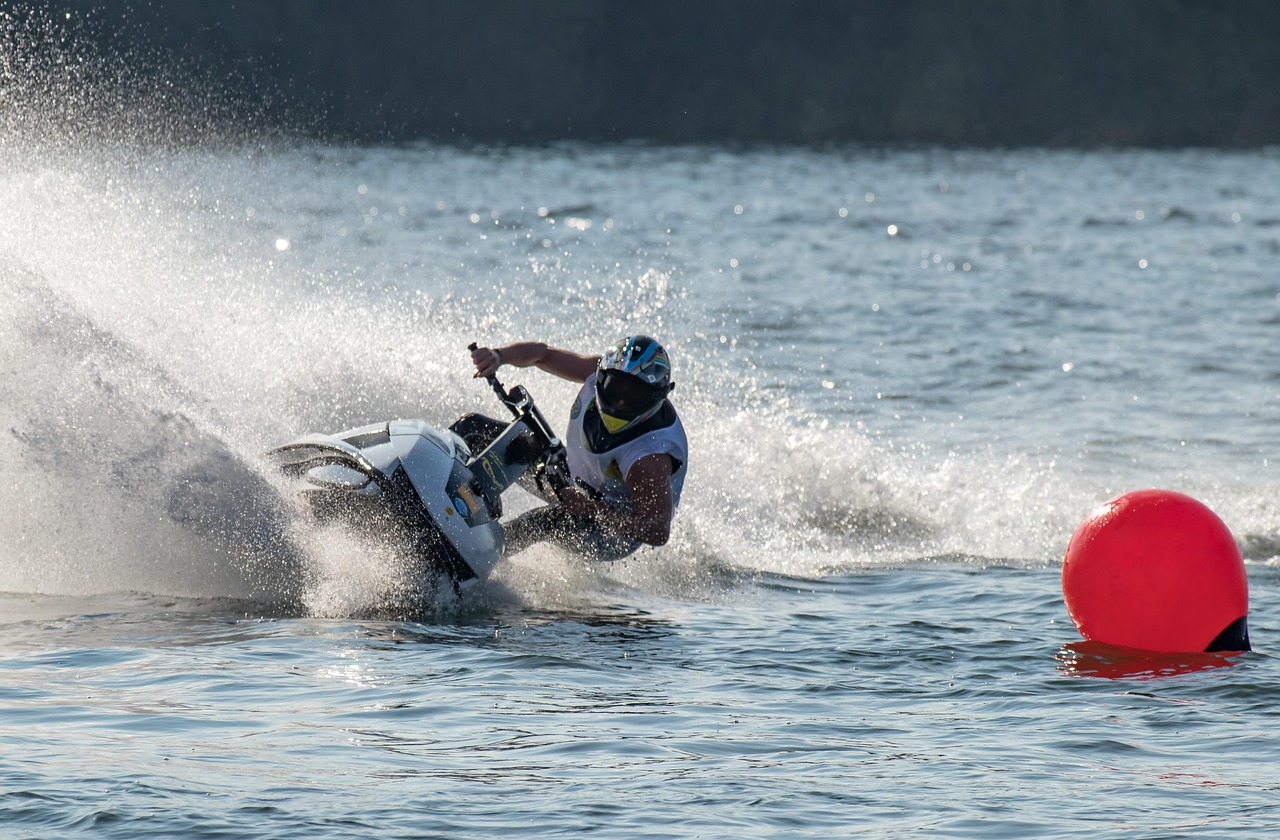

Understanding Jet Boat Hydrodynamics: Basic Principles
Jet boating is an exhilarating water sport, thrilling both enthusiasts and newcomers. The excitement surrounds the dynamic hydrodynamics involved in a jet boat’s operation. Primarily, jet boats utilize water jets instead of propellers, allowing them to operate in shallow waters as they do not require depth. They perform optimally on various terrains while maintaining proficient maneuverability; their design is essential for tackling fast-flowing rivers and lakes. Understanding jet boat dynamics involves grasping several basic principles, including propulsion and buoyancy. Propulsion is critical, as it relies on water intake, which is then expelled to create thrust. This nurturing of propulsion enables effective acceleration, providing an intelligent balance between speed and stability. Furthermore, buoyancy plays a key role in a jet boat’s ability to float. The hull design contributes to effective weight distribution, essential for a stable and smooth ride. Proper weight distribution within a boat enhances overall performance, providing the support required to navigate technical courses, tight turns, and swift currents. Each aspect of jet boat hydrodynamics intertwines to enhance performance and user experience.
Key Components of Jet Boat Design
Understanding jet boat hydrodynamics also requires a look into the design that supports aquatic navigation. Critical elements dictate how various components work together to maximize efficiency. The hull shape is vital, as it influences how the boat interacts with water. An optimized hull design reduces resistance while improving speed capabilities. A sleek hull, often constructed from lightweight materials, increases agility, essential for dynamic water conditions. The jet drive system forms another crucial element. This system draws water into the engine and ejects it for propulsion. This direct propulsion method eliminates snag risks often associated with propellers. Additionally, the steering mechanism distinguishes jet boats from traditional vessels, offering sharp turns and quick responsiveness. This is attributed to how the steering directs the water jet stream, leading to instantaneous changes in direction. Weight distribution is another critical aspect to consider; by balancing the weight appropriately across the boat, operators can maintain stability even when encountering turbulent waters. Consequently, recognizing the interplay among these components enhances appreciation for jet boating and its engineering marvels.
The propulsion system of a jet boat is a fascinating feature to explore in greater depth. Each element comprises specialized components working in unison to drive the vessel forward. At the core of this system is the pump, which draws water from the bottom of the hull. Once collected, the pump compresses the water and expels it through a nozzle, creating forward thrust. The nozzle’s design can also impact performance, adjusting for necessary changes in speed and direction. Understanding how water flows through this system is essential for enhancing efficiency while ensuring safety. Engine power powers jet boats, and the type of engine determines overall capacity. High-performance engines facilitate exhilarating acceleration, crucial for sporting scenarios. In addition, weight distribution affects engine efficiency; a well-balanced boat will harness engine power optimally. The water intake location is also significant; proper positioning reduces drag, allowing for smoother navigation. Thus, mastering the intricacies of the propulsion system empowers operators with knowledge essential for leveraging a jet boat’s capabilities to the fullest and ensuring performance in diverse conditions.
Understanding Hydrodynamic Forces
The principles of hydrodynamics govern how jet boats operate within water bodies. Central to these principles are forces acting upon the vessel, including drag, lift, and thrust. Drag force opposes motion through the water; minimizing drag is paramount for achieving high speeds. A streamlined hull reduces drag effectively, allowing smooth transit across the water’s surface. Conversely, lift aids in raising the boat’s hull, improving its ability to skim over the water rather than submerging deeper; this maximizes speed and fuel efficiency. Thrust, produced by the engine, propels the boat forward. These three main hydrodynamic forces play a crucial role in successful jet boat operation. Understanding their interactions can ultimately determine the boat’s maneuverability and performance. While navigating twisting channels or meeting challenging waves, hydrodynamic forces are key to an enjoyable ride. Moreover, operators must learn how to adjust their driving technique according to water conditions and vessel speed; skilled maneuvering will harness these forces skillfully, leading to optimized performance. Consequently, hydrodynamic awareness enhances the operator’s capability to anticipate various scenarios and react adeptly.
Safety remains paramount during jet boating adventures, making awareness of hydrodynamics even more crucial for operators. Understanding how hydrodynamic forces affect boat behavior can significantly prevent accidents; a proficient operator can predict how the boat will react under various conditions. There are several recommended safety practices to follow while jet boating, including wearing personal flotation devices (PFDs), equipping the vessel with appropriate emergency gear, and understanding the local waterway characteristics. Operators must be vigilant about potential obstacles or hazards hidden beneath the waterline. Strong currents or sudden changes in weather can dramatically influence navigation. A boat equipped with the right safety gear ensures preparedness for unexpected situations, including emergency signaling devices, first aid kits, and communication tools. Additionally, operators should familiarize themselves with regulations governing boating in specific areas. Following these protocols enhances experience while minimizing risks; therefore, undertaking education on local laws coupled with hydrodynamic knowledge significantly contributes to safe practices. Ultimately, prioritizing safety in conjunction with understanding boat dynamics allows for enjoyable and responsible jet boating experiences, maximizing fun while minimizing risks associated with watersports.
Embracing the Thrill of Jet Boating
Jet boating offers an array of adrenaline-pumping experiences for enthusiasts craving adventure on the water. These high-speed vessels provide a unique approach to exploring scenic waterways while delivering exhilarating turning and acceleration capabilities. Every ride generates excitement through swift maneuvers, allowing participants to witness nature from a different vantage point. Many jet boating operators implement guided tours, leading participants through breathtaking landscapes and hidden gems along rivers and lakes. Each journey often fosters a connection with one’s surroundings while enjoying speed and agility. Operators often employ techniques that engage riders in a more profound experience, from tight spins to thrilling jumps. This engagement enhances enjoyment while instilling respect for watercraft and safety protocols. Many adventurers find involvement in racing circuits, bringing an extra layer of excitement into the sport alongside camaraderie among fellow enthusiasts. Communities centered around jet boating offer numerous opportunities for social interaction and shared experiences. Those passionate about water sports will find resources focusing on jet boating skills, maintenance, and safety. This wealth of information fosters continual growth and mastery of jet boating, encouraging new enthusiasts to enter this thrilling world with confidence.
In conclusion, understanding jet boat hydrodynamics provides valuable insights into an exhilarating water sport loved by many. Mastering the basic principles of propulsion, buoyancy, and hydrodynamic forces holds immense importance for operators striving to optimize performance. Recognizing specific components of jet boat design allows for informed choices in selecting the right vessel that caters to an individual’s needs while enhancing their adventurous spirit. Safety during these experiences remains crucial, ensuring all participants enjoy their time both responsibly and thrillingly. As one embraces jet boating, opportunities to connect with nature while experiencing unparalleled speed create lifelong memories. Those seeking adrenaline and excitement will discover that engaging in this outstanding water sport fosters a sense of community among fellow devotees. Furthermore, pursuing ongoing education and promoting responsible boating practices enhances the broader community’s safety and enjoyment. Ultimately, jet boating offers an enriching experience, combining excitement and natural beauty. As more enthusiasts enter this world, they contribute to the growth of the sport, while embracing the underlying principles that make jet boating a unique and cherished activity in the realm of water sports.